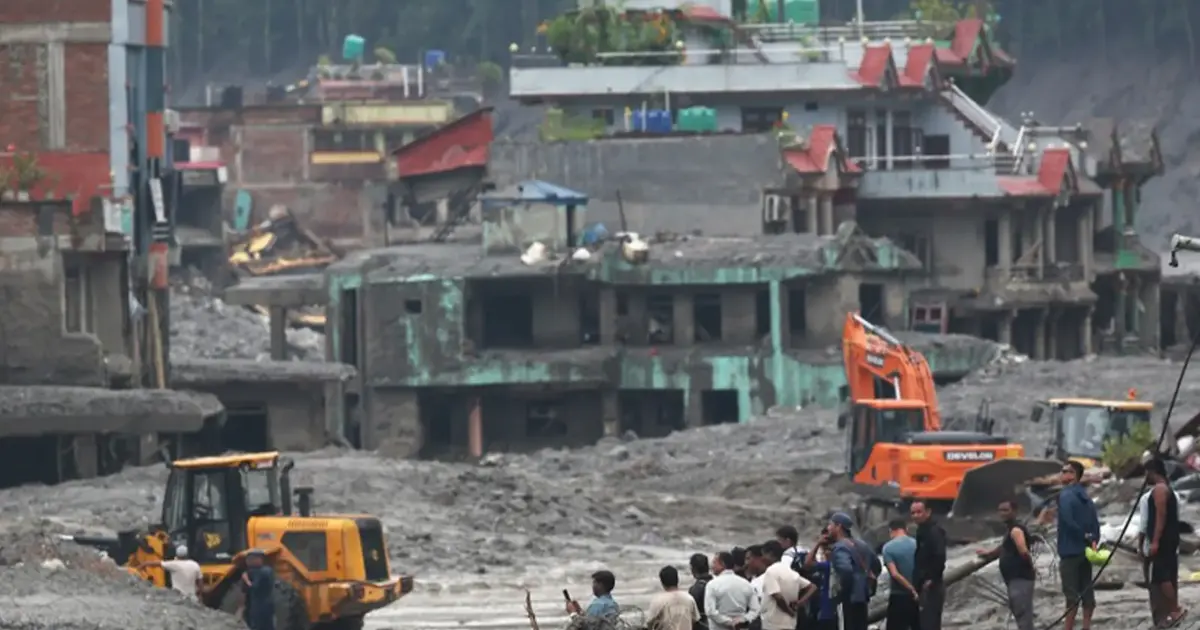
Malaysia's government has committed to deploying its SMART team to Nepal in response to the South Asian nation's recent calamity, Prime Minister Anwar Ibrahim announced. The decision reflects Malaysia's ongoing commitment to regional disaster relief operations and humanitarian cooperation with neighbouring Asian countries experiencing emergency situations.
Prime Minister Anwar Ibrahim has instructed local officials to accelerate coordination with the Nepali government to ensure the specialist team can be deployed at the earliest opportunity. This rapid mobilisation underscores the urgency with which Malaysia is responding to Nepal's pressing needs and the established protocols both nations maintain for cross-border emergency assistance.
The SMART team, which stands for Specialised Malaysian Assessment and Rescue Team, represents Malaysia's premier disaster response capability. Comprising trained personnel equipped with advanced search and rescue technology, the unit has been deployed across the region during previous natural disasters and humanitarian emergencies. The team's expertise in navigating collapsed structures, locating trapped individuals, and providing medical stabilisation makes it particularly valuable in earthquake response scenarios.
Nepal's situation has prompted international humanitarian mobilisation from multiple nations. Malaysia's early commitment to send specialist personnel demonstrates the country's position as an active participant in regional disaster management frameworks. The deployment also reflects the broader Association of Southeast Asian Nations commitment to mutual assistance during natural calamities, though Nepal remains outside the ASEAN bloc.
Historically, Malaysia has maintained strong diplomatic and humanitarian ties with Nepal despite geographical distance. Previous deployments of Malaysian rescue teams to Nepal have established working relationships and operational familiarity with Nepali disaster management authorities. These existing connections facilitate faster integration and coordination when Malaysian teams arrive on the ground.
The coordination process involves multiple layers of diplomatic and technical communication. Malaysian officials must liaise with Nepal's National Disaster Risk Reduction and Management Authority, arrange landing permissions, designate operational zones, and integrate Malaysian personnel into existing Nepali command structures. Prime Minister Anwar's personal involvement in expediting this process signals governmental priority and ensures bureaucratic obstacles receive immediate attention at senior levels.
Disaster response teams deployed internationally operate under specific guidelines regarding jurisdiction, operating scope, and coordination with host nation authorities. Nepal's government must formally approve the SMART team's operational mandate, designate priority zones requiring assistance, and facilitate logistical support including transportation and accommodation. The speed of these approvals depends on Nepal's assessment of its own capacity and international assistance requirements.
Malaysia's healthcare and rescue systems have experience managing major natural disasters domestically. The Indian Ocean tsunami of 2004 prompted significant evolution in Malaysia's disaster response capabilities, leading to the formalisation of the SMART team and establishment of protocols for rapid international deployment. These accumulated lessons inform contemporary responses to similar emergencies elsewhere.
The financial and resource commitments involved in international deployments are substantial. The Malaysian government must allocate funding for personnel transportation, equipment shipment, operational costs, and logistical coordination. Such commitments reflect political will and demonstrate that Malaysia prioritises humanitarian assistance as integral to its foreign policy framework, particularly within the Asian region where economic interdependence and shared environmental vulnerabilities create mutual interest in disaster preparedness.
Regional stability and economic considerations underpin Malaysia's engagement in disaster relief beyond its borders. Nepal's position in South Asia, coupled with its geographical vulnerability to seismic activity and terrain-related hazards, makes disaster preparedness an ongoing regional concern. Malaysian expertise and resources contribute to broader Asian resilience and capacity-building efforts that ultimately benefit all participating nations through strengthened relationships and demonstrated reliability.
The timing of Malaysia's SMART deployment also reflects contemporary international norms around disaster response. Modern emergency management increasingly relies on multinational coordination and specialised technical expertise. Countries demonstrating capability in rescue operations and establishing reputations for rapid, effective assistance gain diplomatic capital and strengthen soft power positioning within regional frameworks.
For Malaysian personnel involved in international deployments, these operations provide valuable field experience and professional development opportunities. The SMART team's experience in Nepal's challenging terrain and geological conditions will inform future disaster response protocols and enhance institutional knowledge within Malaysia's emergency management agencies.
As coordination between Malaysia and Nepal progresses, the expected timeline for deployment will depend on several factors including assessment of immediate needs, availability of Malaysian personnel, and logistical arrangements. Prime Minister Anwar's commitment to expedited deployment reflects Malaysia's intention to provide assistance during Nepal's most critical period, when search and rescue operations typically yield the highest success rates in locating survivors.

