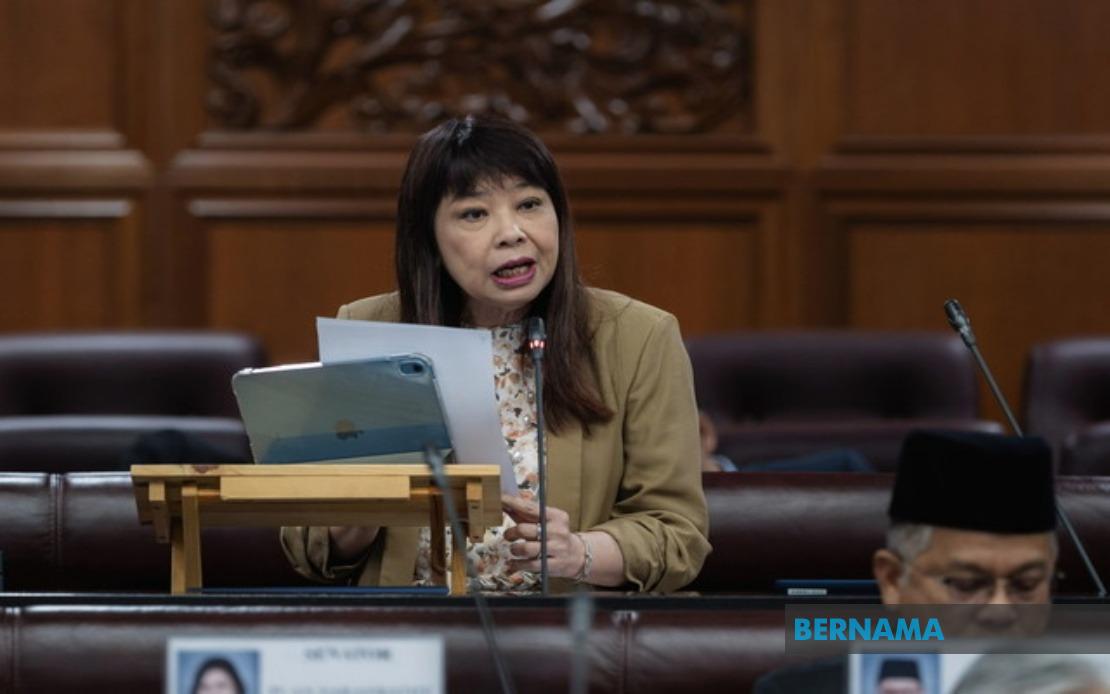
Malaysia's government is actively exploring the establishment of a Domestic Violence Offenders Registry, a centralised system designed to identify and monitor individuals who have committed repeated acts of domestic violence. Deputy Women, Family and Community Development Minister Lim Hui Ying announced during parliamentary proceedings in Kuala Lumpur that the proposal is being jointly developed by the Women, Family and Community Development Ministry, the Royal Malaysia Police, and the judiciary. This collaborative approach reflects recognition that addressing domestic violence requires coordinated action across law enforcement, the legal system, and social services to create a comprehensive protective framework.
The initiative emerged following parliamentary questioning about strategies to reduce repeat domestic violence incidents, a persistent problem affecting Malaysian households. The registry concept aims to fill a critical information gap that currently hampers prevention efforts. According to Lim, the government lacks comprehensive data on repeat offenders, creating challenges for agencies attempting to intervene before violence recurs. By establishing a tracking mechanism through either criminal records integration or a dedicated offenders registry, authorities would gain visibility into patterns of abusive behaviour, enabling more targeted protective interventions and allowing the courts to consider offenders' histories when making judicial decisions.
This development reflects growing international recognition that registries focusing on domestic violence perpetrators, rather than merely victims, represent an evidence-based approach to harm reduction. Such systems allow police to identify high-risk individuals, enable prosecutors to pursue enhanced charges for repeat offences, and provide family court judges with contextual information when determining custody and protection order applications. The Malaysian initiative acknowledges that without systematic tracking, abusers can exploit gaps in the system, moving between jurisdictions or evading accountability for previous incidents.
Beyond the registry proposal, Malaysia is simultaneously strengthening its existing victim support infrastructure. The government has allocated RM2.1 million during the current financial year to upgrade more than 20 government-operated shelters serving domestic violence survivors across the country. These improvements focus on maintaining secure, functional facilities capable of delivering temporary sanctuary to victims fleeing abusive situations. Adequate shelter capacity and quality remains essential to the protective ecosystem, as these facilities often serve as safe transition points while victims access legal remedies or rebuild their lives independently.
Current statistics underscore the scale of Malaysia's shelter network. As of July 2026, the Social Welfare Department has approved 43 facilities nationwide operating under the Domestic Violence Act 1994, comprising 39 shelters managed directly by the government and four operated by non-governmental organisations. This mixed public-private delivery model extends the government's reach, with NGO partnerships supplementing state capacity. However, the decision to upgrade more than half of government shelters suggests ongoing challenges with maintenance, capacity constraints, or service delivery standards that warrant attention.
The government simultaneously operates a multi-layered legal protection mechanism for victims. Emergency Protection Orders, which authorities can issue within two hours when immediate danger is evident, provide rapid response capability during crisis situations. Beyond these emergency measures, the Social Welfare Department assists victims in pursuing Interim Protection Orders and longer-term Protection Orders through the courts, establishing formal legal barriers against further contact or abuse. These graduated responses recognise that victim safety needs vary along a continuum from acute crisis intervention to sustained legal protection.
Malaysia's comprehensive approach reflects broader shifts in how Southeast Asian nations conceptualise domestic violence policy. Rather than treating it purely as a private family matter, the government has increasingly recognised it as a public health and law enforcement concern requiring institutional coordination. The emphasis on registry systems, police coordination, judicial cooperation, and shelter infrastructure mirrors international best practices while adapting to Malaysia's specific legal and institutional context.
The registry proposal carries particular significance for Malaysia given existing limitations in data collection. Without systematic tracking of repeat offences, victims remain vulnerable to abusers who have previously exploited the system. Furthermore, resource allocation decisions—whether expanding prosecutor capacity, training police in domestic violence investigation techniques, or funding court-based protection orders—depend on accurate prevalence data. A national registry would generate empirical evidence about offender characteristics, recidivism patterns, and intervention effectiveness, informing future policy refinements.
Implementing such a registry requires navigating complex technical, legal, and privacy considerations. The system must securely store sensitive information while ensuring authorised access by relevant agencies. Data protection safeguards must prevent misuse while allowing legitimate inter-agency information sharing. Malaysian authorities must also determine eligibility criteria—whether the registry captures all domestic violence convictions or focuses specifically on repeat offenders—and establish protocols for record removal or updates as cases progress through appeals or sentence completion.
The initiative demonstrates Malaysia's incremental but sustained commitment to domestic violence prevention, building on earlier legislative and administrative foundations. The Domestic Violence Act 1994 established fundamental legal protections; subsequent years have seen expansion of shelter networks, victim support services, and police training. The proposed registry represents a logical next step in this evolution, recognising that effective prevention requires not just victim support and offender prosecution, but also systematic risk identification and management.
For Malaysian households and advocates, these developments signal that the government recognises domestic violence as demanding priority attention and multi-agency collaboration. The registry proposal, combined with shelter upgrades and streamlined protection order procedures, suggests authorities are attempting to create an environment where victims can access help quickly, offenders face meaningful accountability for repeated conduct, and vulnerable household members receive sustained protection. However, successful implementation depends on adequate funding, inter-agency coordination, police training, and sustained political commitment beyond parliamentary announcements.

