Organisers of Malaysia's 2026 National Day and Malaysia Day celebrations have unveiled an ambitious schedule of special programmes designed to build momentum for the commemorative period, with the formal launch of the National Month Celebration and Jalur Gemilang Flag-Waving Campaign set for tomorrow in Ipoh. The expanded initiative reflects growing efforts by government agencies to deepen public engagement with national observances through a diverse mix of activities spanning both cultural expression and civic participation.
Datuk Aminurrahim Mohamed, the working secretary of the HKHM 2026 Main Committee and senior undersecretary at the Communications Ministry, confirmed the festivities will draw on both established traditions and newly developed components. Centrepiece programmes include Kembara Bahasa HKHM 2026 and RIUH Merdeka, which fall under a broader countdown framework intended to sustain public interest throughout the lead-up to the actual celebrations. Officials have deliberately withheld details of certain initiatives, hoping to maintain an element of surprise and sustain anticipation among the public.
The decision to introduce fresh elements alongside proven formats reflects organisers' ambition to prevent commemorative fatigue while strengthening emotional connection to national identity. Returnees from previous years include the Qur'an Hour programme, which has become a fixture of Malaysia's national month observances. By balancing consistency with innovation, planners aim to appeal to demographically diverse audiences whose engagement with patriotic messaging may vary significantly based on age, cultural background, and personal interests.
Communications Ministry officials have called on Malaysians to participate actively by displaying the national flag at their homes and workplaces, and by regularly playing patriotic music during the month-long period. The ministry's messaging extends beyond ceremonial participation, emphasising what leaders frame as fundamental national values: peace, prosperity, and unity. This rhetorical approach underscores how national celebrations serve broader governance objectives beyond marking historical dates, functioning as vehicles for reinforcing particular understandings of citizenship and communal belonging.
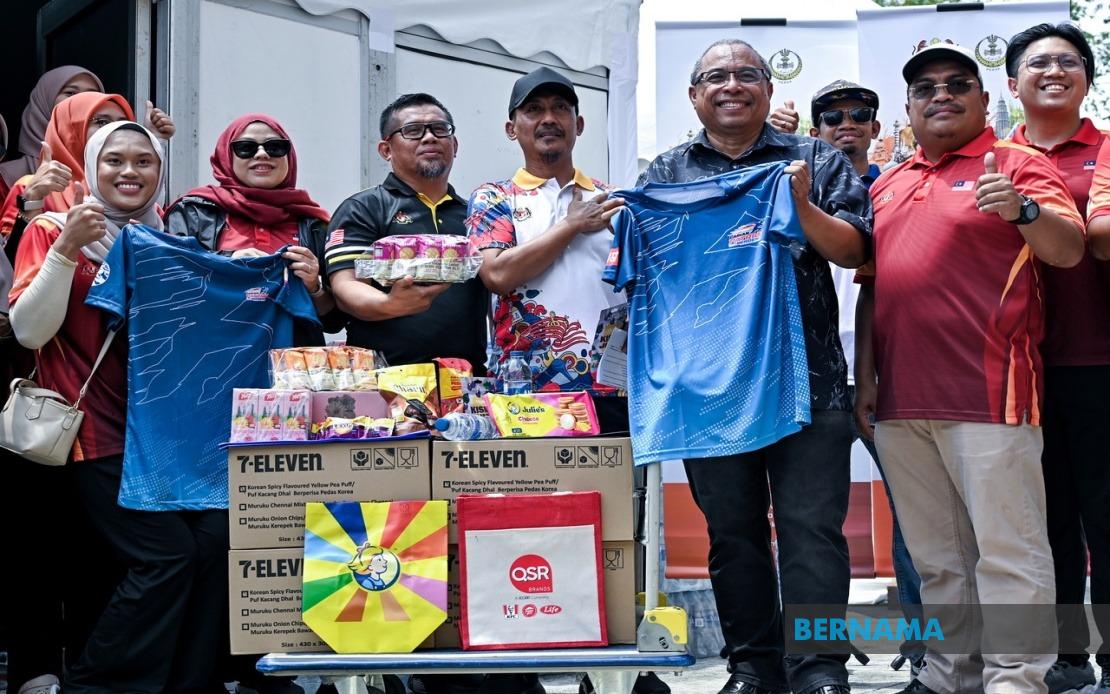
Private sector involvement has proven crucial to the scale and ambition of the planned celebrations. Fifteen companies have committed sponsorship resources specifically for the Ipoh ceremony, including logistics firm J&T, convenience store chain 7-Eleven, coffee retailer ZUS Coffee, and food and beverage conglomerate QSR Brands. This commercial participation indicates that corporate Malaysia views alignment with national patriotic campaigns as strategically valuable, whether for brand enhancement or as part of broader corporate social responsibility commitments. Organisers reported that cumulative sponsorship has either matched or exceeded equivalent contributions from the previous year, suggesting sustained corporate interest in underwriting the celebrations.
The formal launch ceremony tomorrow will unfold under Prime Minister Datuk Seri Anwar Ibrahim's official patronage, beginning at ten o'clock in the morning at Dewan Sri Perdana at the Sultan Azlan Shah Institute for Health Training in Tanjung Rambutan. This venue selection reflects Perak's role as host state for the 2026 celebrations, distributing such high-profile government events beyond the capital. The ceremony will feature the Patriot Merdeka Run, a morning athletic component intended to involve broader community participation beyond formal government representatives.
Musical elements assume particular prominence in the planned programme. Organisers will premiere the HKHM 2026 theme song, to be performed by an unnamed prominent Malaysian male vocalist before an expected audience of approximately three thousand attendees. Song launches have become standard features of Malaysian national celebrations, functioning as cultural touchstones that encourage public familiarity and potential media circulation. The introduction of new theme music annually helps maintain freshness in celebrations that recur on fixed dates, preventing them from seeming formulaic or exhausted.
Broad media distribution will amplify the ceremony's reach far beyond Ipoh's immediate geographic boundaries. Radio Televisyen Malaysia, the national public broadcaster, will provide live coverage alongside Bernama, Malaysia's national news agency. Digital platforms including Facebook Live will carry simultaneous streams from the Communications Ministry and Information Department, as well as from Merdeka360, a digital initiative presumably dedicated to independence-themed content. This multi-platform approach reflects contemporary expectations regarding media access and demonstrates government commitment to ensuring geographically dispersed Malaysians can participate in real-time observation of major national events.
The sequencing of these announcements and preparations carries particular significance for Southeast Asian context. Regional neighbours including Singapore, Thailand, and Indonesia similarly organise expansive national celebrations, and Malaysia's approach demonstrates competitive attention to scale, sponsorship mobilisation, and multimedia distribution. For Malaysian audiences, the celebrations represent opportunities to affirm national distinctiveness, while the scale of official investment signals governmental priority attached to patriotic sentiment and national unity messaging.
Looking ahead to the actual 2026 celebration period, organisers face the ongoing challenge of sustaining public enthusiasm across multiple weeks. Success depends partly on programme pacing, with countdown initiatives introduced well in advance of the actual dates maintaining anticipatory momentum. The deliberate creation of mystery around unrevealed programme elements reflects sophisticated understanding of public psychology: full transparency about all offerings risks dampening enthusiasm, while carefully calibrated revelation of new initiatives sustains interest through periodic surprise announcements.
For Malaysian corporate entities, the sponsorship commitments signal calculated alignment with government priorities and national narrative frameworks. Beyond immediate brand visibility benefits, such participation positions firms as patriotic stakeholders invested in national cohesion and civic participation. This dynamic reflects broader patterns through which Malaysian corporations instrumentalise patriotic commitment as a risk management and reputation enhancement strategy, particularly when government relations feature prominently in their operational environments.

