Malaysia's 2026 National Month and Malaysia Day celebrations will centre on interactive community programmes carried out across the nation, though organisers have opted for a measured approach in scale and scope this year. The Department of Information, known as JAPEN, has designed a slate of activities intended to kindle patriotic sentiment among Malaysians, reflecting the government's emphasis on grassroots engagement during the crucial observance period.
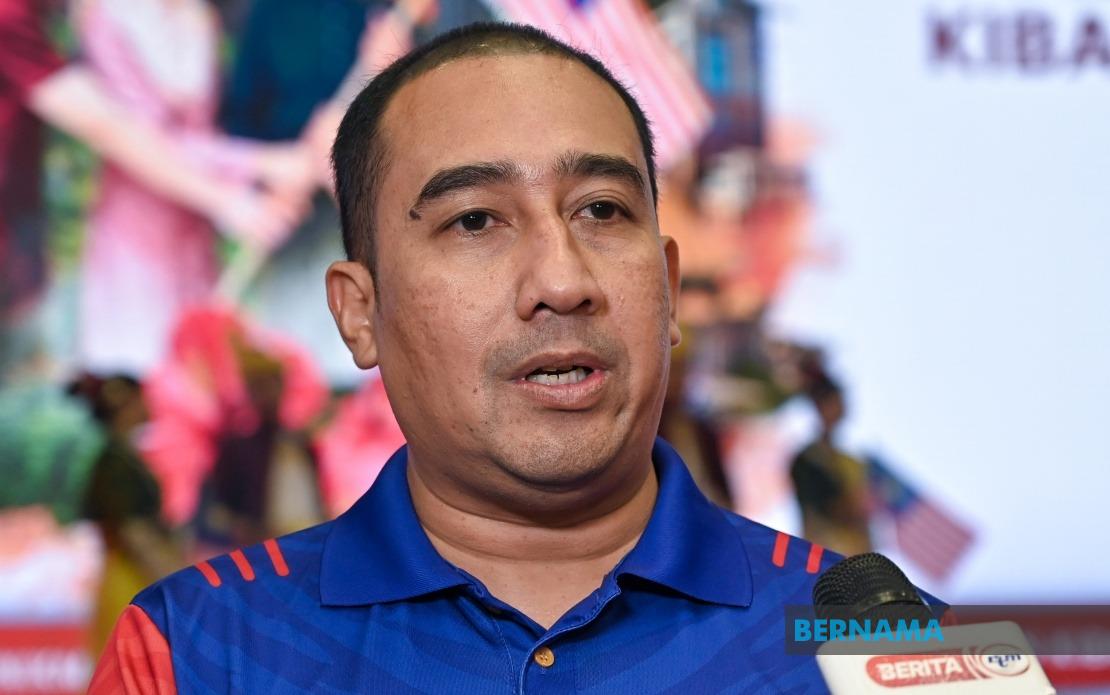
Muhammad Najmi Mustapha, director of JAPEN's Communication Services and Community Development Division, revealed the strategy following an inspection of rehearsals held at the Sultan Azlan Shah Ministry of Health Training Institute in Tanjung Rambutan, Perak. Despite the moderate scale, he stressed that the festivities will retain substantial content and appeal. The mobile units operated by JAPEN will visit selected checkpoints, places of worship, and sports facilities nationwide, ensuring broader geographic reach than previous iterations.
A significant expansion marks this year's approach to the 1House1JalurGemilang campaign, which has traditionally operated through seven distinct clusters spanning industry, education, security, health, government agencies, higher education, and community organisations. This year, two new clusters have been incorporated: places of worship and sports premises. The addition reflects a deliberate strategy to deepen patriotic observance across civil society and recreational institutions, recognising these spaces as vital nodes for national sentiment and community cohesion.
As part of the programme expansion, JAPEN will distribute Jalur Gemilang kits through its mobile units at participating venues. At places of worship specifically, the department will provide financial contributions and facilitate group flag-hoisting activities, positioning religious institutions as partners in national commemoration. This approach potentially bridges secular nationalism with faith-based communities, a nuanced consideration in Malaysia's multicultural context where religious institutions command significant social authority and gathering capacity.
The launch ceremony for the 2026 National Month and Fly the Jalur Gemilang Campaign, scheduled for tomorrow at Dewan Sri Perdana in Ipoh, will be officiated by Prime Minister Datuk Seri Anwar Ibrahim. The event has been designed to generate substantial public interest and participation, with rehearsals confirming smooth operational execution. Approximately 3,000 attendees are anticipated, drawn largely from MADANI Community chapters distributed across Malaysia's states and territories.
Several ceremonial elements will characterise the launch. A morning Merdeka Patriot Run precedes the formal proceedings, establishing a participatory tone before official commencements. Notably, security force personnel will hoist the Jalur Gemilang during the ceremony, marking the resumption of this practice after a two-year suspension—a symbolically significant moment that restores a traditional element of national commemoration. The launch will also feature the unveiling of the HKHM2026 theme song, providing a contemporary cultural component to traditional patriotic observance.
Broad media coverage will amplify the launch's reach beyond physical attendance. Live transmission across multiple digital platforms—including Radio Televisyen Malaysia, Bernama, and the Ministry of Communications' Merdeka360 Facebook Live feed—ensures accessibility for Malaysians throughout the peninsula, Sabah, and Sarawak. This multimedia strategy reflects recognition that national celebration increasingly occurs through hybrid digital and physical spaces, particularly among younger demographics less inclined toward in-person public events.
The 10 am commencement time allows morning broadcast accessibility across Malaysian time zones and accommodates working populations, suggesting consideration of audience scheduling realities. Live streaming on social media platforms particularly targets younger citizens and diaspora communities, expanding the definition of participation beyond geographical presence in Ipoh.
The shift toward expanded institutional participation—specifically through places of worship and sports venues—holds implications for how Malaysia constructs national identity narratives. By deliberately integrating religious and recreational spaces into patriotic observance frameworks, policymakers signal that Malaysianess encompasses diverse social spheres beyond traditional government and educational channels. This inclusive architecture potentially strengthens national cohesion by validating multiple pathways through which Malaysians express civic sentiment.
For Southeast Asian observers, Malaysia's approach to managing national celebrations amid contemporary social diversity offers instructive lessons. The integration of religious institutions within secular patriotic campaigns demonstrates pragmatic navigation of multicultural nation-building, acknowledging that effective national commemoration requires legitimacy across Malaysia's plural religious and cultural communities. The moderate scaling also suggests recalibration following years of pandemic disruption, balancing celebratory ambition with operational feasibility.
The 1House1JalurGemilang campaign's expansion to new clusters represents incremental institutional deepening rather than revolutionary restructuring. However, the deliberate inclusion of faith institutions within formal patriotic programming marks a notable evolution from previous years, positioning religious leaders and communities as stakeholders in nationalist projects. Success will partly depend on how these partnerships are perceived—whether as genuine collaborative celebration or instrumentalisation of religious authority for state objectives.
As Malaysia approaches its 2026 milestone, these celebrations will offer early indicators of how the government intends to construct national narratives during the subsequent years. The programme's emphasis on distributed, community-level engagement rather than centralised spectacle reflects contemporary governance preferences favouring participatory models over top-down imposition. Whether this approach successfully kindles sustained patriotic engagement among diverse Malaysian communities will become clearer following the launch and subsequent programmatic implementation across the nation's varied institutional landscapes.

