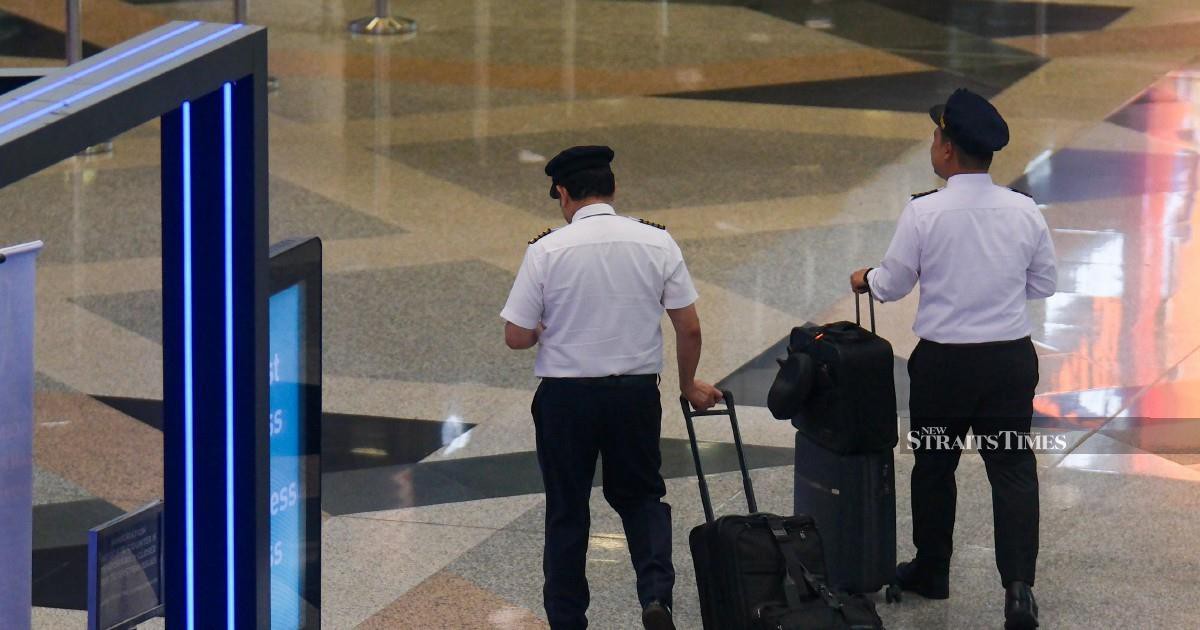
Malaysia Corruption Watch has called on authorities conducting the investigation into a pilot's arrest with illicit drugs in Indonesia to shift focus toward identifying and addressing security deficiencies at Kuala Lumpur International Airport, rather than limiting scrutiny to determining which government agency bears responsibility for the breach.
The watchdog's intervention highlights a critical gap in how Malaysia approaches major security incidents at one of Southeast Asia's busiest aviation hubs. When a pilot is apprehended carrying prohibited substances, the automatic instinct within bureaucratic frameworks is often to establish culpability and assign blame. However, Malaysia Corruption Watch argues that this approach misses the larger picture—the systemic weaknesses that allowed such a breach to occur in the first place. This reorientation of investigative priorities could yield more productive outcomes for strengthening airport operations.
KLIA serves as a critical juncture for international air traffic, connecting Malaysia to global networks and processing millions of passengers annually. The airport's security architecture comprises multiple layers, from immigration checkpoints to customs screening and staff access control protocols. Each component is designed to prevent contraband from entering or leaving the country. When enforcement personnel discover that someone with direct airport access has moved drugs through the facility, it signals that at least one protective mechanism has failed. The question becomes: which one, and how comprehensively?
Malaysia Corruption Watch's position reflects a shift in anti-corruption thinking globally, moving away from solely punitive approaches toward preventive frameworks. By concentrating investigations on institutional vulnerabilities rather than individual wrongdoing alone, authorities could implement meaningful reforms. This might include auditing baggage screening technology, reviewing staff vetting procedures, examining access card systems, or analysing passenger profiling methodologies. Each discovery could inform improvements that benefit airport security more broadly.
The pilot's arrest in Indonesia adds an international dimension to what might otherwise seem a domestic issue. It raises questions about information-sharing between Malaysian and Indonesian authorities, and whether regional frameworks for detecting such incidents are sufficiently developed. For Malaysian readers, this underscores the reality that aviation security is not confined within national borders. Lapses at KLIA affect not only domestic operations but also Malaysia's reputation within regional aviation networks and beyond.
Government agencies typically involved in airport security include the Civil Aviation Authority of Malaysia, the airport operator, customs authorities, and immigration services. Determining which agency's protocols were breached can become contentious, with potential finger-pointing that delays systemic improvements. Malaysia Corruption Watch appears to recognise that allocating blame, while perhaps satisfying in the short term, does not necessarily strengthen the defences that protect the national aviation system. A more constructive approach would acknowledge where gaps exist and address them systematically.
The timing of Malaysia Corruption Watch's intervention is significant, as it demonstrates civil society's willingness to guide investigative direction in high-profile cases. Rather than simply accepting whatever outcome official inquiries produce, the watchdog is proactively suggesting that investigative terms of reference be broadened. This reflects growing expectations among Malaysian citizens that anti-corruption and security efforts should be comprehensive rather than narrowly focused.
For passengers and businesses relying on KLIA daily, enhanced security through better systems directly translates to safer travel and smoother operations. A pilot with access to restricted areas carrying narcotics represents not merely a criminal matter but a potential threat to aviation safety and Malaysia's standing as a safe destination. Addressing the structural issues that permitted this situation benefits everyone using the airport.
The incident also raises questions about whether existing oversight mechanisms at KLIA are adequate for modern challenges. Drug trafficking organisations are increasingly sophisticated, and they exploit vulnerabilities ruthlessly. If personnel with legitimate airport access can move contraband, it suggests that either screening procedures are inadequate, training is insufficient, or monitoring systems lack necessary sophistication. Malaysia Corruption Watch's suggestion that these elements be examined comprehensively deserves serious consideration from relevant authorities.
Moving forward, how Malaysian authorities respond to this recommendation will indicate whether the country's security establishment is willing to embrace preventive, systemic approaches or prefers traditional accountability-focused investigations. Both have value, but Malaysia Corruption Watch has identified an imbalance in emphasis. By investigating not merely who failed but why the system allowed failure to occur, authorities could strengthen KLIA's defences against future breaches and provide a model for other critical infrastructure sectors across Malaysia.

