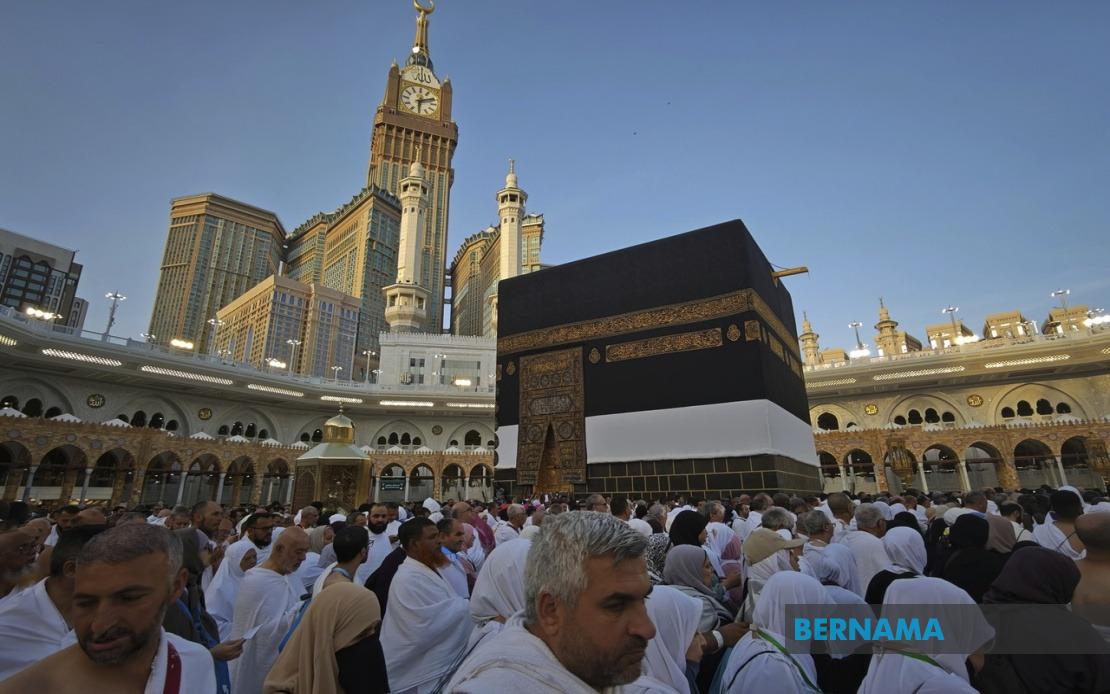
Malaysia's diplomatic mission in Saudi Arabia has moved swiftly to counter misinformation spreading across social media platforms, issuing an official statement on Sunday asserting that every Malaysian pilgrim from the 2026 haj season has completed their journey and safely returned to their home country. The Consulate General of Malaysia in Jeddah released the clarification in direct response to unverified claims circulating online suggesting that some Malaysian haj participants were still stranded in the kingdom beyond their scheduled departure dates.
The consulate's statement was notably unambiguous in its messaging, explicitly declaring that no Malaysian haj pilgrims remain in Saudi Arabia under the 1447H/2026 haj operations framework. This categorical denial underscores the diplomatic mission's confidence in the logistical execution overseen by the Pilgrims Fund Board, commonly known as Tabung Haji, which maintains primary responsibility for coordinating Malaysia's haj programme and ensuring the timely return of all participants. The board had established clear schedules for the repatriation of the 1447H cohort, and according to the consulate's confirmation, these timelines were met without exception.
The emergence of misleading social media posts highlights a persistent challenge facing Malaysian authorities during and after major religious and travel operations involving large cohorts of citizens. In an era where unverified information can spread rapidly across digital platforms, reaching thousands within minutes, the diplomatic service's quick response reflects lessons learned from previous haj seasons and broader crises management protocols. The speed and clarity of the Jeddah consulate's denial suggest that Malaysia's overseas missions are increasingly attuned to the need for rapid fact-checking and transparent communication with the Malaysian public.
Haj pilgrims undertaking the sacred journey represent a deeply personal and spiritually significant undertaking, making concerns about stranded participants particularly acute among Malaysian families and communities. When uncertainty surrounds the whereabouts or safety of loved ones engaged in religious duty abroad, the emotional stakes become considerable, and misinformation can quickly generate unnecessary anxiety. The consulate's intervention thus serves not merely as a bureaucratic clarification but as a reassurance to families that their relatives have completed their pilgrimage safely and are en route or already home.
The incident also reflects broader tensions between official communications channels and the rapid dissemination of information through social media platforms. While traditional news outlets and government agencies operate within established verification frameworks, social media allows individuals to broadcast claims with minimal scrutiny or accountability. For Malaysian citizens abroad or their families at home, this creates a challenging information environment where distinguishing credible updates from rumour requires active discernment and access to official sources.
Tabung Haji, as the state-backed entity managing Malaysia's haj programme, has established itself as the authoritative source for information regarding pilgrim logistics, safety, and scheduling. The organisation manages the religious, financial, and logistical dimensions of sending Malaysian Muslims for haj, handling everything from savings schemes for prospective pilgrims to coordinating transportation, accommodation, and return schedules. The consulate's reference to Tabung Haji's schedule in its statement underscores the integration between Malaysia's diplomatic presence and domestic religious administration structures.
The broader context of Malaysia's haj programme reflects the nation's significant Muslim population and the central role that hajj plays in Islamic practice and Malaysian social life. Each year, tens of thousands of Malaysian pilgrims travel to Saudi Arabia during the haj season, representing a substantial logistical and financial undertaking. The 1447H/2026 season was no exception, requiring careful coordination across multiple agencies and careful management of the repatriation process to ensure all pilgrims returned safely and on schedule.
The consulate's advisory to the public to rely on official sources for accurate information carries particular weight given the potential consequences of misinformation during sensitive periods involving large numbers of citizens abroad. By encouraging Malaysians to verify information through government channels rather than accepting unvetted social media claims, the diplomatic mission is reinforcing the importance of institutional trust and media literacy. This guidance is particularly relevant for elderly family members and others less accustomed to critical evaluation of online information.
Government agencies and diplomatic missions across Southeast Asia face similar challenges in managing public information during major operations involving citizens. Malaysia's response to these haj-related claims provides a case study in rapid-response communications that other regional governments may observe and adapt. The incident demonstrates that even well-executed programmes can become vulnerable to misinformation if official stakeholders do not maintain proactive engagement with public discourse across multiple platforms.
Looking forward, the Consulate General's statement suggests that Malaysian authorities intend to remain vigilant against false claims concerning its citizens abroad, particularly during periods of large-scale movement such as haj season. The willingness to issue public denials and corrections when necessary reflects a commitment to maintaining public confidence in the institutions managing these critical operations. For Malaysian pilgrims and their families, such responsiveness from diplomatic and religious authorities provides reassurance that official channels are actively monitoring for and countering misinformation that could generate unnecessary alarm.

