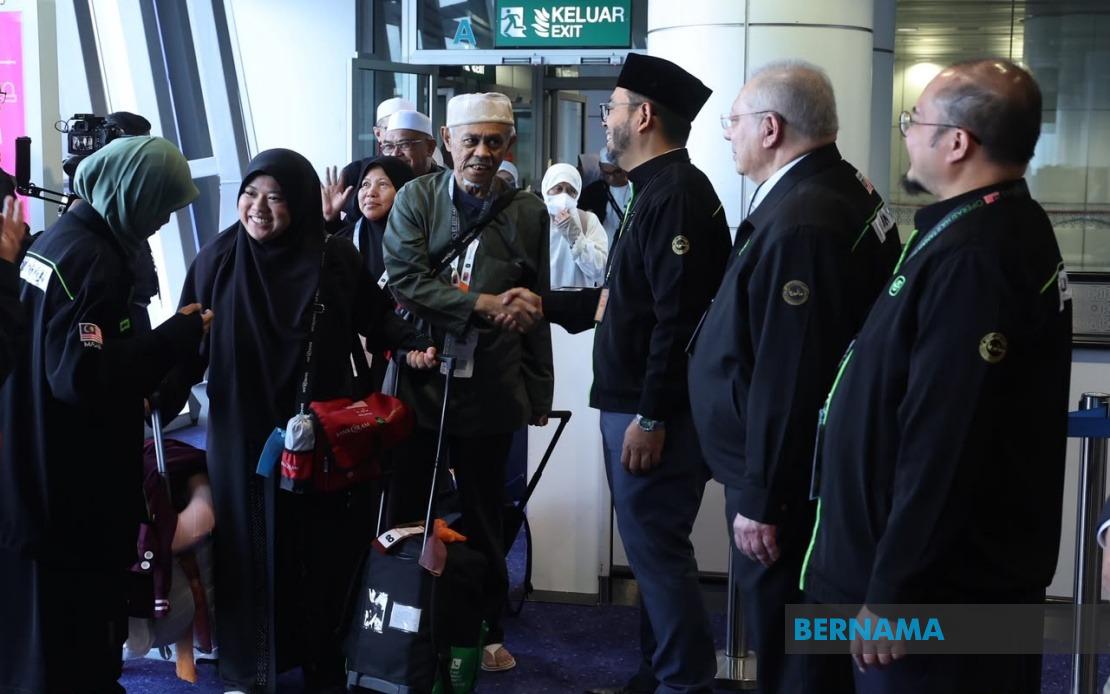
Malaysia's haj pilgrimage operations for the Islamic year 1447H have now formally concluded, with the safe arrival of 258 pilgrims at Kuala Lumpur International Airport on July 1. The Malaysia Airlines flight MH 8385 touched down at 12.10 pm local time, having departed from Madinah the previous evening, marking the completion of what organisers describe as a remarkably smooth and well-executed season despite the volatile security environment affecting the broader Middle Eastern region.
Dr Zulkifli Hasan, Minister in the Prime Minister's Department (Religious Affairs), welcomed the returning pilgrims and underscored the relief felt across the religious affairs establishment that all participants have returned in good health and safety. His statement reflected the heightened concerns that had characterised much of the pre-departure period, particularly given the ongoing conflict in West Asia and its potential to disrupt religious tourism and pilgrim services. The successful navigation of these geopolitical complexities represents a significant achievement for Malaysian haj administration and the various stakeholders involved in coordinating logistics, security arrangements, and pastoral care across multiple jurisdictions.
The recognition accorded to Malaysia's performance extends beyond domestic acclaim. The country has been awarded the Labbaikum Diamond Award from Saudi Arabia's Ministry of Haj and Umrah, a distinction described as the highest honour available in international haj management circles. This award specifically recognises Malaysia's excellence in pilgrim management and service delivery on the global stage, elevating the nation's standing among the approximately 50 countries whose citizens undertake the pilgrimage each season. The accolade carries particular weight given Saudi Arabia's direct oversight of haj operations and its role in evaluating performance across all participating nations.
Dr Zulkifli's remarks emphasised the collaborative nature of Malaysia's haj operations, acknowledging the contributions of Tabung Haji as the primary coordinating body, the Ministry of Health, Malaysia Airlines and other carriers, the Immigration Department, and a network of logistics and service providers operating both domestically and in Saudi Arabia. This multi-agency approach has become essential to managing the complex requirements of transporting and accommodating nearly 30,000 Malaysian pilgrims annually across two major cities while ensuring compliance with Saudi regulations and maintaining health and safety standards.
A crucial factor in the season's success, according to officials, lay in the conduct and preparation of the pilgrims themselves. Malaysian participants underwent intensive pre-departure courses conducted by Tabung Haji, covering both the spiritual dimensions of the pilgrimage and the practical logistics of participation. This investment in passenger education and cultural orientation helps explain the high standards of discipline and cooperation that characterised Malaysian contingents throughout the season, contrasting with occasional difficulties other nations face in managing their pilgrim populations.
Tabung Haji, under the leadership of chairman Tan Sri Abdul Rashid Hussain, has already initiated comprehensive post-season reviews and evaluations. These internal assessments aim to identify incremental improvements for future seasons, reflecting the institution's commitment to continuous enhancement of services. The competitive pressure from international recognition schemes like the Labbaikum Award incentivises sustained excellence rather than complacency following a successful year.
Several concrete service enhancements implemented during the 1447H season offer insight into the evolving sophistication of Malaysian haj management. Expanded and more intensive preparatory courses better equip pilgrims for the challenges of the journey and the rituals they will perform. The deployment of the MyNIISe system for visa processing streamlined administrative burdens and reduced processing times for departing pilgrims. Infrastructure improvements in Saudi Arabia, including the provision of sofa beds and upgraded tent accommodations, directly improve the comfort and wellbeing of Malaysian pilgrims during their stay in the Holy Land. Recognising that the physical journey between prayer sites and accommodation areas demands efficient transport solutions, organisers implemented round-the-clock bus services linking major mosques to residential compounds.
The significance of completing this season without major incidents or service disruptions cannot be overstated for Malaysian haj administration and the broader Muslim community. The geopolitical backdrop created legitimate anxiety about potential disruptions, whether from security threats, diplomatic complications, or logistical challenges cascading from regional instability. The successful navigation of these risks while simultaneously maintaining and improving service standards demonstrates institutional maturity and the effectiveness of contingency planning.
Looking ahead, the momentum generated by this successful season now transitions into preparation for future pilgrimages. The scheduling of the National Haj Muzakarah for August 2026 will provide a formal platform for stakeholders to deliberate on emerging challenges, implementation successes, and strategic priorities for haj administration. These annual conferences have become essential governance mechanisms for ensuring that lessons extracted from operational experience inform policy development and resource allocation decisions.
For Malaysian readers and the broader Southeast Asian context, the successful conclusion of the 1447H haj season carries several implications. It demonstrates the capacity of Malaysian institutions to manage complex, large-scale operations involving international coordination across multiple regulatory jurisdictions. It reflects the strong operational relationships Malaysia maintains with Saudi Arabian authorities, relationships that extend beyond religious affairs into broader diplomatic and strategic spheres. The award of the Labbaikum Diamond also elevates Malaysia's profile as a regional leader in Islamic institutional management, a dimension often overlooked in discussions of Malaysia's international standing but potentially significant for regional influence and soft power.
The safe return of all pilgrims also brings closure to months of planning, coordinate, and careful management for families, religious scholars, and government agencies. This ceremonial conclusion allows focus to shift toward the next season's preparation cycle, ensuring that Malaysia continues to refine and perfect its approach to fulfilling this fundamental religious obligation for its citizens.

