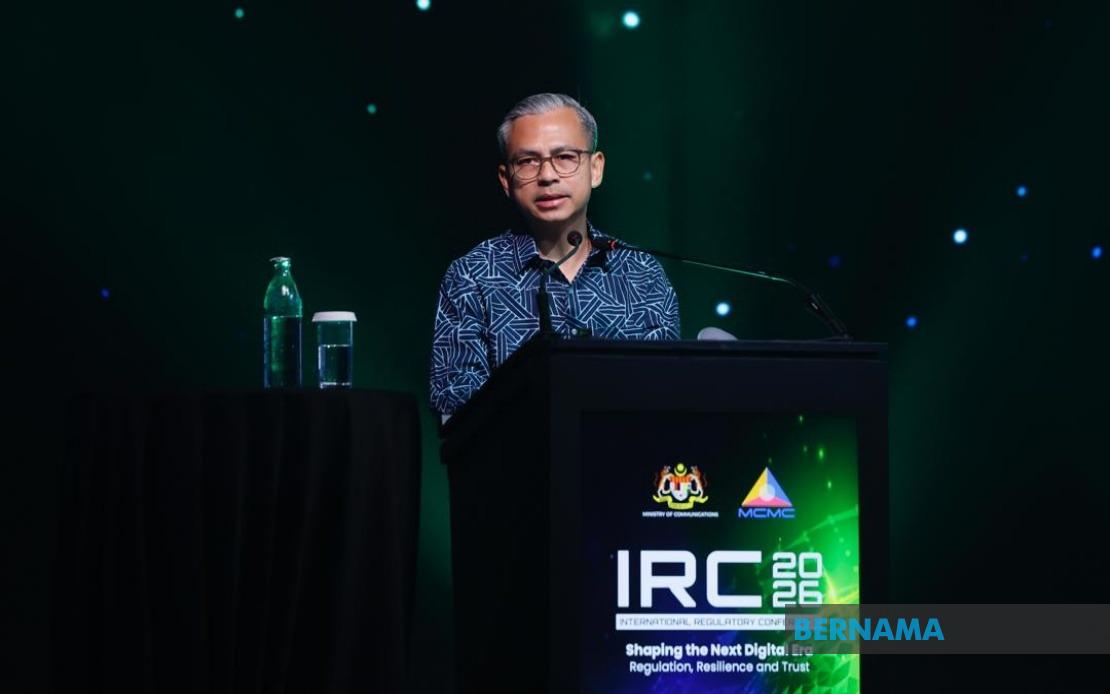
Malaysia is pivoting towards a more robust approach to digital governance, positioning trust as the cornerstone of its technological transformation. Communications Minister Datuk Seri Fahmi Fadzil articulated this strategy while opening the International Regulators Conference 2026 in Kuala Lumpur, underscoring that the nation recognises technology has outpaced the regulatory mechanisms designed to manage it. The shift reflects broader concerns across Southeast Asia about the governance vacuum created by rapid digital adoption, where citizens must navigate platforms, information ecosystems and digital services without always knowing if those systems merit their confidence.
The Malaysian government's multi-pronged approach encompasses several concrete initiatives intended to secure the digital landscape. The National Digital Network Plan, commonly known as Jendela, represents the country's blueprint for digital infrastructure development, while the nationwide 5G deployment offers faster connectivity across urban and rural areas. Investment in submarine cable infrastructure signals Malaysia's determination to reduce dependence on external data routes and strengthen regional digital autonomy. Perhaps most significantly, the Online Safety Act 2025 marks a fundamental reorientation in how Malaysia addresses digital harm—moving from reactive responses after incidents occur to proactive prevention through mechanisms that hold platforms accountable for user protection and safeguarding vulnerable populations, particularly children.
Fahmi's remarks highlight a central tension in digital policy that resonates throughout the region. Technology evolves at exponential speed, yet governance frameworks typically lag years behind implementation. The minister framed this as requiring regulatory agility without sacrificing proportionality. In practical terms, this means creating flexible rules that can adapt as artificial intelligence, quantum communications and autonomous systems mature, while simultaneously avoiding overregulation that might stifle the innovation Malaysia seeks to foster. For Malaysian policymakers and businesses, this principle offers some reassurance that authorities are attempting to craft rules suited to digital realities rather than simply applying anachronistic concepts to emerging challenges.
The Online Safety Act 2025 represents the tangible outcome of this philosophy. Rather than treating online harm as an aftermath management exercise, the legislation shifts responsibility upstream to platform operators, requiring them to implement safety measures by design. This approach aligns with international best practices seen in jurisdictions like the European Union but adapted to Malaysia's regulatory context. The emphasis on protecting children and vulnerable communities addresses concerns that have intensified across Southeast Asia as digital access expands faster than digital literacy, creating asymmetries of power between tech giants and users who may lack understanding of algorithmic manipulation or data exploitation.
The IRC 2026, now in its third iteration, has evolved significantly from its origins. Initially convened to help international regulators understand Malaysia's distinctive transition to a Dual Network model for 5G deployment, the conference has matured into a genuine platform for cross-jurisdictional dialogue. This trajectory matters for Malaysia's positioning within global telecommunications governance. By hosting the conference and facilitating discussions among regulators from different countries, Malaysia positions itself as a serious voice in international digital policy rather than a passive recipient of frameworks designed elsewhere. The emphasis on sharing experiences with neighbouring countries and more distant jurisdictions addresses a practical gap—many Southeast Asian nations are writing digital governance rules with limited cross-regional comparison, missing opportunities to learn from each other's successes and mistakes.
The conference's agenda reflects the complexity of contemporary digital governance. Online safety, data governance, artificial intelligence regulation, quantum communications, and autonomous systems represent overlapping domains where decisions in one area affect outcomes in others. Data governance, for instance, intersects with both privacy protection and economic development concerns that Malaysia must balance. Artificial intelligence regulation touches everything from content moderation to employment displacement. This interconnected landscape explains why Fahmi emphasised translating dialogue into practical policy outcomes—forums like IRC 2026 risk becoming discussion shops unless they produce concrete follow-up actions that participating regulators can implement.
Malaysia's role as a Council Member of the International Telecommunication Union provides additional leverage for amplifying lessons from the IRC 2026. By sharing conference outcomes through ITU channels, Malaysia ensures findings reach a broader audience of telecommunications authorities globally. This positions Malaysian perspectives not as regional concerns but as contributions to genuinely international policy conversations. For a mid-sized economy seeking influence in global digital governance, such platforms offer disproportionate impact relative to economic size.
The regulatory landscape Fahmi describes also reflects growing anxieties about digital colonialism and platform power that resonate throughout Southeast Asia. When tech companies headquartered in a handful of countries control infrastructure and determine content policies affecting billions globally, smaller nations face asymmetrical relationships. Malaysia's investments in submarine cable infrastructure and regulatory frameworks represent attempts to build countervailing power—ensuring the country is not merely a consumer of digital services designed and governed remotely but an active participant shaping the digital ecosystem.
For Malaysian businesses and digital economy stakeholders, the regulatory vision articulated at IRC 2026 carries practical implications. The emphasis on proportionate regulation may signal that authorities seek to avoid the heavy-handed approaches that have stifled innovation in some jurisdictions. Simultaneously, the commitment to platform accountability and child protection indicates that companies operating in Malaysia must embed compliance into their operations from the outset rather than treating it as peripheral. This creates both constraints and opportunities—constraints around safety and accountability, but opportunities for reputable businesses to differentiate themselves through genuine commitment to user protection.
The timing of Malaysia's governance push matters within the regional context. Several Southeast Asian nations are simultaneously developing their own digital regulation frameworks, from Singapore's approach emphasising sectoral regulation to Indonesia's decentralised approach and Thailand's more government-directed model. Malaysia's IRC 2026 provides an arena for these countries to observe and learn from each other's regulatory experiments, potentially avoiding duplicative efforts or learning from pitfalls others encounter. The shared challenges—balancing innovation and safety, protecting vulnerable users while respecting legitimate business interests, maintaining national policy autonomy amid global platform dominance—transcend individual borders.
The broader implications extend to how Malaysia and the region navigate the power asymmetries inherent in digital governance. When regulatory frameworks are designed primarily in Europe or North America and then exported globally, developing nations often find themselves implementing rules written for different economic contexts. By actively participating in creating regulatory knowledge through initiatives like IRC 2026, Malaysia contributes to building governance approaches rooted in diverse regional experiences and values. This requires the kind of international cooperation Fahmi emphasised—not merely adopting others' rules wholesale but engaging in genuine dialogue where different perspectives shape outcomes.
The challenges ahead remain substantial. Implementing the Online Safety Act 2025 effectively requires building enforcement capacity within MCMC and ensuring platforms take accountability obligations seriously rather than treating them as compliance theatre. The technical complexities of regulating artificial intelligence, quantum communications and autonomous systems will test regulatory ingenuity. Balancing innovation encouragement with safety protection demands careful calibration that may shift as technologies mature. Yet Malaysia's acknowledgment of these challenges and commitment to addressing them through both domestic legislation and international cooperation suggests a governance approach that at least attempts to match the pace and complexity of digital transformation.

