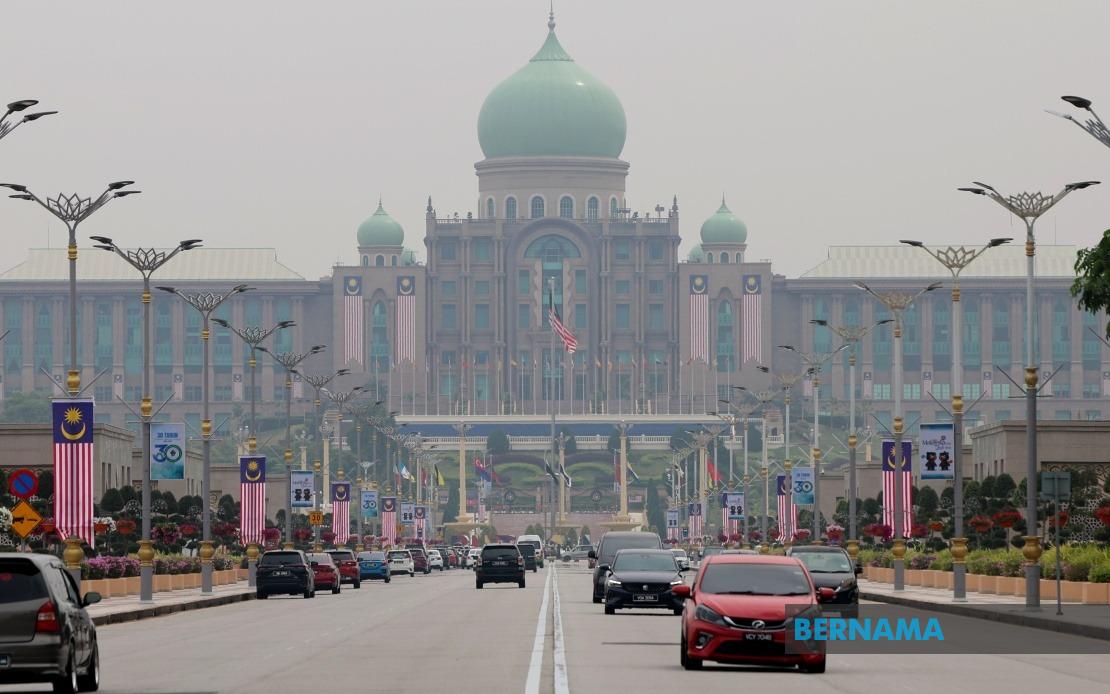
Malaysia has launched a fresh appeal for unified action across the ASEAN bloc to fortify defences against the growing menace of transboundary haze pollution, emphasising that the region must adopt a comprehensive, coordinated strategy rooted in established multilateral frameworks. Natural Resources and Environmental Sustainability Minister Datuk Seri Arthur Joseph Kurup conveyed this urgent message to ASEAN Secretary-General Dr Kao Kim Hourn, underscoring that despite fires remaining largely contained within individual member states' borders, the potential for cross-boundary smoke migration demands elevated regional vigilance and preventive planning.
The minister outlined a multi-pronged approach that ASEAN nations should prioritise in the coming months. Member states must intensify surveillance of fire-prone zones, tighten enforcement mechanisms against illegal open burning, and maintain heightened readiness in firefighting and emergency response capabilities. These measures reflect Malaysia's interpretation of obligations under the ASEAN Agreement on Transboundary Haze Pollution, a treaty that has defined the region's collective governance framework for air quality management since its adoption. By framing the challenge within this established legal architecture, Malaysia signals confidence that existing institutions possess both the mandate and capacity to address the crisis if governments commit adequate resources and political will.
What makes Malaysia's intervention particularly significant is its diagnosis of the underlying meteorological threat. Current monitoring indicates that prolonged dry spells have already begun affecting southern portions of the ASEAN region, triggering a noticeable uptick in hotspot detections and ambient haze concentrations. This seasonal pattern, concerning in itself, is rendered far more alarming by climate projections. The El Niño phenomenon, which influences atmospheric circulation patterns and precipitation across the tropics, is expected to strengthen progressively over coming months, potentially creating ideal conditions for widespread wildfires to ignite and persist across multiple countries simultaneously.
The El Niño dimension carries profound implications for policymakers across Southeast Asia. This climatic pattern historically correlates with severe drought conditions in Indonesia, Malaysia, and neighbouring territories, dramatically elevating wildfire risk during peak fire seasons. If El Niño indeed strengthens as meteorological models suggest, the region could face a compound crisis: reduced moisture in vegetation combined with shifting wind patterns that transport smoke across borders. Malaysian stakeholders, from government agencies to healthcare systems and air quality monitoring networks, understand from bitter experience that such scenarios can rapidly overwhelm preparedness infrastructure. The 1997-1998 haze crisis, which blanketed much of the region in hazardous smog for months, remains etched in regional memory as a cautionary precedent.
Malaysia's diplomatic push also reflects growing recognition that information sharing and operational coordination among ASEAN members remain inconsistent and sometimes inadequate. The minister specifically endorsed the ASEAN Secretariat's expanded role as the Interim ASEAN Coordinating Centre for Transboundary Haze Pollution Control, positioning this institutional mechanism as essential infrastructure for disseminating timely data, harmonising preparedness activities, and strengthening formal cooperation pathways. However, this endorsement implicitly acknowledges that the centre's effectiveness depends entirely on how vigorously member states participate and whether they allocate sufficient funding and technical support to strengthen its analytical and coordination capabilities.
The timing of Malaysia's statement reveals concerns about complacency within the region. Although ministers and officials frequently reaffirm their commitment to transboundary haze governance during periodic meetings, actual resource allocation and enforcement intensity frequently lag behind rhetorical commitments. Some member states continue to struggle with inadequate budgets for fire prevention, weak penalties that fail to deter offenders, and limited capacity in their forestry and environmental agencies. By sending an official message at this juncture—before the El Niño peak and before fire season reaches dangerous intensity—Malaysia appears intent on signalling that higher levels of alert and resource mobilisation are warranted now, not after crises materialise.
For Malaysian citizens and businesses, the stakes are particularly high. Malaysia's geographic position makes it vulnerable to smoke originating from Indonesian sources, especially from peatland and plantation fires in Sumatra and Kalimantan. Previous transboundary haze episodes have disrupted transportation, forced school closures, overwhelmed hospitals with respiratory complaints, and caused measurable economic losses across multiple sectors. The tourism industry, retail commerce, and international trade have all suffered when air quality plummets to hazardous levels. Domestic agriculture also faces risks: haze reduces sunlight availability for crops and can damage sensitive plant species. Thus Malaysia's proactive diplomatic engagement reflects not merely environmental concern but also pragmatic recognition that strong regional cooperation directly protects Malaysian livelihoods and wellbeing.
The minister's framing also subtly emphasises that climate resilience and economic prosperity are mutually reinforcing goals for ASEAN. By positioning haze prevention within a broader agenda of confronting climate challenges, Malaysia situates this air quality issue within the region's larger climate adaptation framework. This rhetorical move potentially opens doors for international climate finance mechanisms and technical assistance partnerships that could strengthen member states' capabilities in fire prevention, early warning systems, and disaster response. For developing economies within ASEAN facing budget constraints, such linkages between air quality governance and climate adaptation funding could prove consequential.
Moving forward, the effectiveness of Malaysia's appeal will hinge on whether ASEAN members translate diplomatic statements into concrete action. This requires budget increases for fire suppression and prevention, harmonised emissions standards, strengthened cross-border information networks, and coordinated operational exercises that test readiness before actual emergencies strike. It also demands accountability mechanisms that impose tangible consequences on governments and private entities that inadequately control fire risk within their jurisdictions. Without these implementable components, even well-intentioned multilateral agreements remain aspirational rather than transformative.
The convergence of dry season dynamics, El Niño strengthening, and rising hotspot activity creates a narrow window for preventive action across ASEAN. Malaysia's call for collective vigilance and enhanced preparedness serves as both warning and invitation: warning that transboundary haze threats are intensifying, and invitation for member states to demonstrate whether their commitment to regional cooperation and shared wellbeing can translate into coordinated, resourced, and sustained action. The coming months will reveal whether ASEAN's institutions and member governments possess the political cohesion necessary to protect the region from a preventable environmental and health catastrophe.

