Malaysia has voiced strong support for the nascent understanding between the United States and Iran, which aims to bring an end to an extended period of regional hostilities that have destabilised global energy markets and supply chains. The Malaysian government's backing comes as diplomatic efforts by Gulf states, Türkiye, Pakistan and others have begun yielding tangible results through the negotiation of a memorandum of understanding between the two major powers.
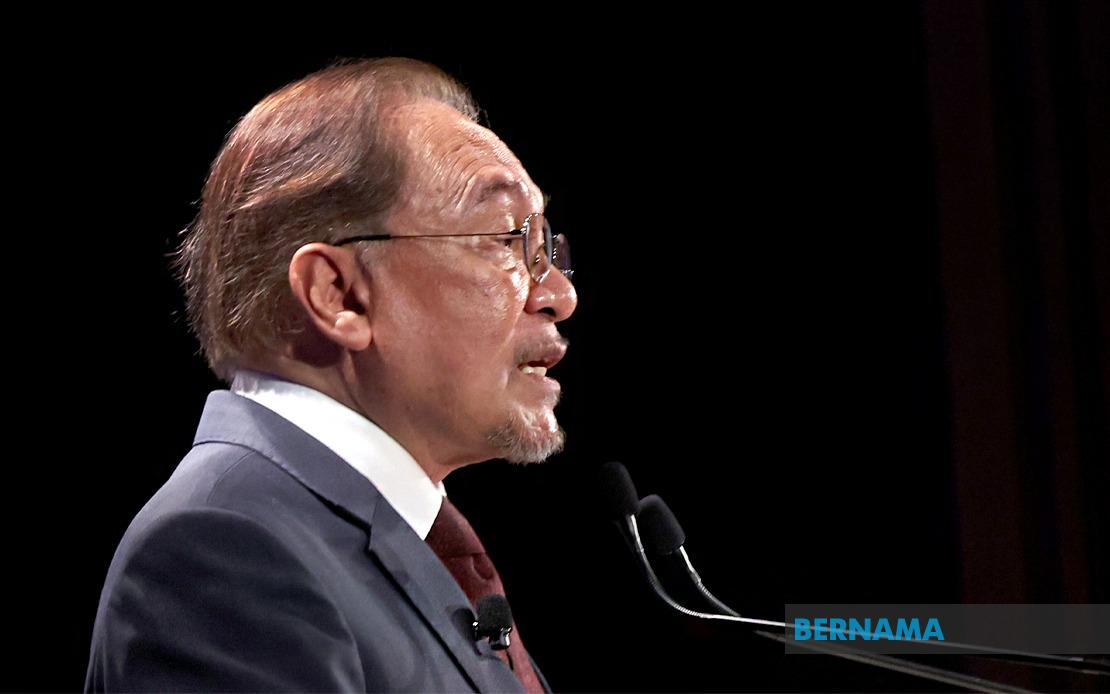
During his keynote address at the 39th Asia-Pacific Roundtable in Kuala Lumpur, Prime Minister Datuk Seri Anwar Ibrahim articulated Malaysia's position on the unfolding developments while offering a measured assessment of the pathway ahead. His remarks underscored the nation's commitment to international peace initiatives whilst tempering expectations with a realistic appraisal of the obstacles that could derail progress.
Anwar emphasised that the fragile nature of the emerging agreement demands sustained international vigilance and commitment. He cautioned that the tentative peace arrangement remains vulnerable to deliberate sabotage, highlighting the complex regional dynamics that could undermine implementation efforts. This warning reflects Malaysia's understanding that diplomatic breakthroughs in the Middle East frequently encounter resistance from non-state actors and hardline factions opposed to de-escalation.
The prime minister stressed that faithful implementation of all ceasefire terms must constitute an immediate operational priority for all parties. Beyond immediate military considerations, Anwar underscored the critical importance of reopening the Strait of Hormuz to unrestricted international shipping. Prior to the escalation of tensions, this vital waterway facilitated approximately one-fifth of global oil supply, making its restoration to full operational capacity essential for stabilising worldwide energy markets.
Drawing connections between regional security and ordinary citizens' economic circumstances, Anwar pointed to the persistent elevation of food and energy prices confronting nations as they compete to secure adequate supplies. He articulated how the diversion of substantial financial resources toward acquiring essential commodities has created opportunity costs that undermine broader development objectives. According to the prime minister, billions of dollars that could have strengthened social infrastructure and economic productivity have instead been consumed by the necessity to maintain adequate reserves of vital goods.
Anwar's remarks moved beyond abstract economic metrics to emphasise the human dimension of geopolitical instability. He stressed that these price fluctuations and resource constraints are not merely statistical abstractions confined to policy papers, but rather directly determine whether families can afford nutritious meals, heat their homes, and access essential services. This framing resonates particularly with Southeast Asian and Malaysian audiences confronting imported inflation and elevated living costs resulting from global supply chain disruptions.
Qatar's recent announcement that Iran and the United States have achieved "positive progress" during indirect negotiations concluded on Wednesday provided the immediate context for Anwar's remarks. These talks, which focused specifically on the Strait of Hormuz's reopening and safe passage provisions, represent the most substantial diplomatic movement in months. The three-day forum where Anwar delivered his address was organised by the Institute of Strategic and International Studies (ISIS) Malaysia and concluded on the day of his keynote speech.
Malaysia's public endorsement of the understanding carries particular significance given the nation's positioning as a major trading hub and maritime power with substantial economic interests in unobstructed global commerce. The country's support also reflects the growing consensus among ASEAN and broader Asian nations that regional stability is inseparable from international peace, and that Southeast Asian prosperity depends fundamentally on the maintenance of open sea lanes and predictable energy supplies.
The Malaysian government's conditional welcome—acknowledging progress whilst maintaining cautious scepticism—reflects lessons learned from previous diplomatic initiatives in the Middle East that faltered during implementation phases. Anwar's emphasis on strict adherence to terms and the vulnerability of peace arrangements to disruption demonstrates sophisticated understanding of how ceasefire agreements frequently unravel when enforcement mechanisms prove inadequate or when spoilers seek to reignite tensions.
For regional observers, Malaysia's positioning on this issue underscores how Middle Eastern stability directly affects Southeast Asian security and economic interests. The country's call for urgent prioritisation of Hormuz reopening reflects recognition that any prolonged disruption to this critical waterway threatens Malaysia's own energy security and the viability of its manufacturing and trading sectors. By articulating these linkages, Anwar has framed international peace not as an abstract diplomatic achievement but as a practical prerequisite for Malaysian development.
The broader implication of Malaysia's stance is that the nation remains committed to supporting multilateral diplomatic solutions to international disputes while maintaining realistic expectations about implementation challenges. This balanced approach—neither cynical nor naively optimistic—positions Malaysia as a constructive voice in encouraging sustained commitment to the emerging understanding whilst acknowledging the substantial work required to transform diplomatic agreements into durable peace outcomes.

