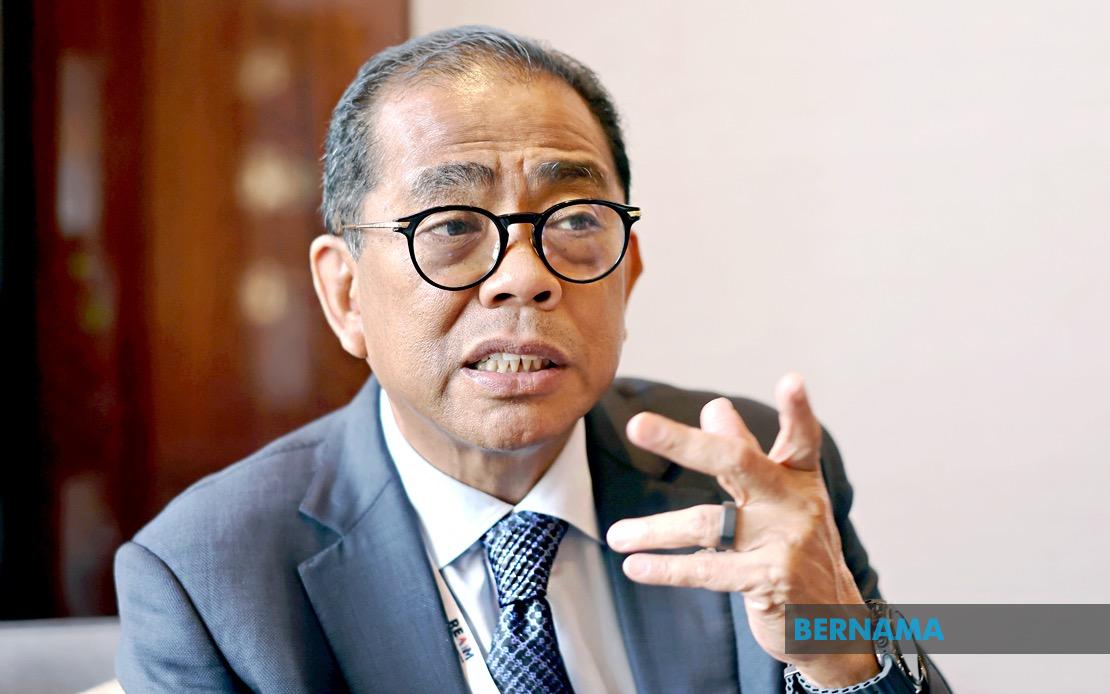
Malaysia and Vietnam have reaffirmed their commitment to deepening defence relations, with Defence Minister Datuk Seri Mohamed Khaled Nordin meeting his Vietnamese counterpart Gen Phan Van Giang during an official visit to Hanoi. The bilateral engagement underscores the strategic importance both nations place on strengthening security cooperation at a time when Southeast Asia faces complex maritime and geopolitical challenges requiring coordinated responses among ASEAN members.
The discussions between the two defence chiefs ranged across multiple domains of military collaboration, reflecting the breadth of the partnership. Beyond traditional areas such as bilateral military training and intelligence exchange, the talks encompassed emerging security priorities including artificial intelligence applications in defence, maritime domain awareness capabilities, and submarine rescue operations. This diversification of cooperation areas indicates recognition by both capitals that modern security threats require multifaceted approaches spanning conventional and emerging technologies.
A significant focus of the bilateral talks centered on maritime security and domain awareness initiatives. For Malaysia, which shares significant maritime interests in Southeast Asian waters, enhanced cooperation with Vietnam on maritime surveillance and coordination carries particular strategic value. The emphasis on this domain reflects broader ASEAN concerns about maintaining freedom of navigation and preventing unauthorised activities in shared maritime spaces. By institutionalising maritime cooperation mechanisms, Malaysia and Vietnam contribute to building regional norms around peaceful conduct at sea.
Mohhamed Khaled proposed strengthening the bilateral cooperation framework through a High-Level Committee structure to ensure systematic coordination and implementation of agreed initiatives. This institutional approach mirrors contemporary best practices in defence diplomacy, where regular high-level dialogue channels facilitate rapid problem-solving and prevent misunderstandings. For Malaysia, such mechanisms with key regional partners like Vietnam enhance the country's ability to contribute meaningfully to ASEAN's collective security architecture.
The defence minister emphasised that Malaysia and Vietnam remain aligned on the imperative of managing South China Sea tensions through dialogue and international law rather than coercive measures. Both nations face pressures from great power competition in the region and seek to maintain strategic flexibility while upholding multilateral frameworks. Mohamed Khaled's statement reinforced Malaysia's position that ASEAN unity and centrality in regional affairs must be preserved regardless of bilateral superpower dynamics, a message particularly relevant given shifting alignments across the Indo-Pacific.
The defence cooperation framework between the two nations builds upon the Memorandum of Understanding on Defence Cooperation signed in November 2023, demonstrating sustained engagement beyond initial agreements. Mohamed Khaled's visit included courtesy calls on Vietnamese Prime Minister Le Minh Hung, reflecting protocol recognition of the political weight attached to defence diplomacy at the highest levels of government. Such top-tier engagement signals to other regional actors and the international community that Malaysia prioritises Vietnam relations as a cornerstone of its security strategy.
Technical military cooperation formed a central pillar of discussions, with both sides committing to coordinate professional development courses and training programmes for military officers. These personnel exchange initiatives build institutional relationships and mutual understanding between armed forces, creating informal networks that facilitate cooperation during crises. For Malaysia's defence establishment, exposure to Vietnamese military practices and vice versa generates practical knowledge applicable to shared security challenges in the region.
Both ministers reaffirmed commitment to ASEAN Defence Ministers' Meeting platforms, including the ADMM and ADMM-Plus mechanisms. These multilateral forums allow Malaysia and Vietnam to advance collective positions on regional security while maintaining bilateral relationships. The emphasis on these platforms reflects understanding that Southeast Asian security challenges—from terrorism and transnational crime to environmental threats and pandemic response—demand coordinated ASEAN responses rather than purely bilateral approaches.
The visit aligns with Malaysia's National Defence Strategic Plan 2026-2030, specifically its Core 6 objective of strengthening international defence relations to ensure national sovereignty. By systematically developing partnerships with key regional actors like Vietnam, Malaysia enhances deterrence capabilities and strengthens its diplomatic position on contested issues. The integration of this bilateral engagement with broader strategic planning documents indicates that Malaysia approaches defence diplomacy as a calculated component of national security strategy rather than reactive diplomacy.
Grey zone activities—a term encompassing coercive actions below the threshold of conventional warfare—featured prominently in discussions. These activities have increased across the Indo-Pacific and present particular challenges for rule-based regional order. By explicitly addressing grey zone security challenges in bilateral talks, Malaysia and Vietnam acknowledge that traditional military-to-military cooperation must evolve to counter unconventional threats including disinformation campaigns, economic coercion, and paramilitary incursions. Intelligence sharing mechanisms become particularly valuable for identifying and countering such activities before they escalate.
Defence industry collaboration emerged as another cooperation pillar, reflecting both nations' interests in developing indigenous defence capabilities and reducing reliance on external suppliers. Regional defence industrial partnerships can enhance supply chain resilience while building technological capacity. For Malaysia, cooperation with Vietnam's defence sector may offer opportunities for joint ventures or technology transfer that strengthen domestic defence manufacturing capabilities.
The Code of Conduct negotiations for the South China Sea featured in Mohamed Khaled's remarks, underscoring Malaysia's preference for rule-based solutions to maritime tensions. Both Malaysia and Vietnam have territorial interests in disputed waters and seek frameworks that protect freedom of navigation while preventing militarisation. By supporting COC negotiations through bilateral defence diplomacy, Malaysia advances the view that commercial and security interests require stable, predictable maritime governance.
Looking forward, the trajectory of Malaysia-Vietnam defence cooperation will likely strengthen further as both nations navigate an increasingly contested regional environment. The systematic expansion of cooperation mechanisms, combined with emphasis on emerging security domains and multilateral coordination, positions the bilateral relationship as a stabilising force in Southeast Asia. For Malaysian policymakers, deepening ties with Vietnam represents strategic investment in regional partnerships essential for maintaining ASEAN cohesion amid external pressures.

