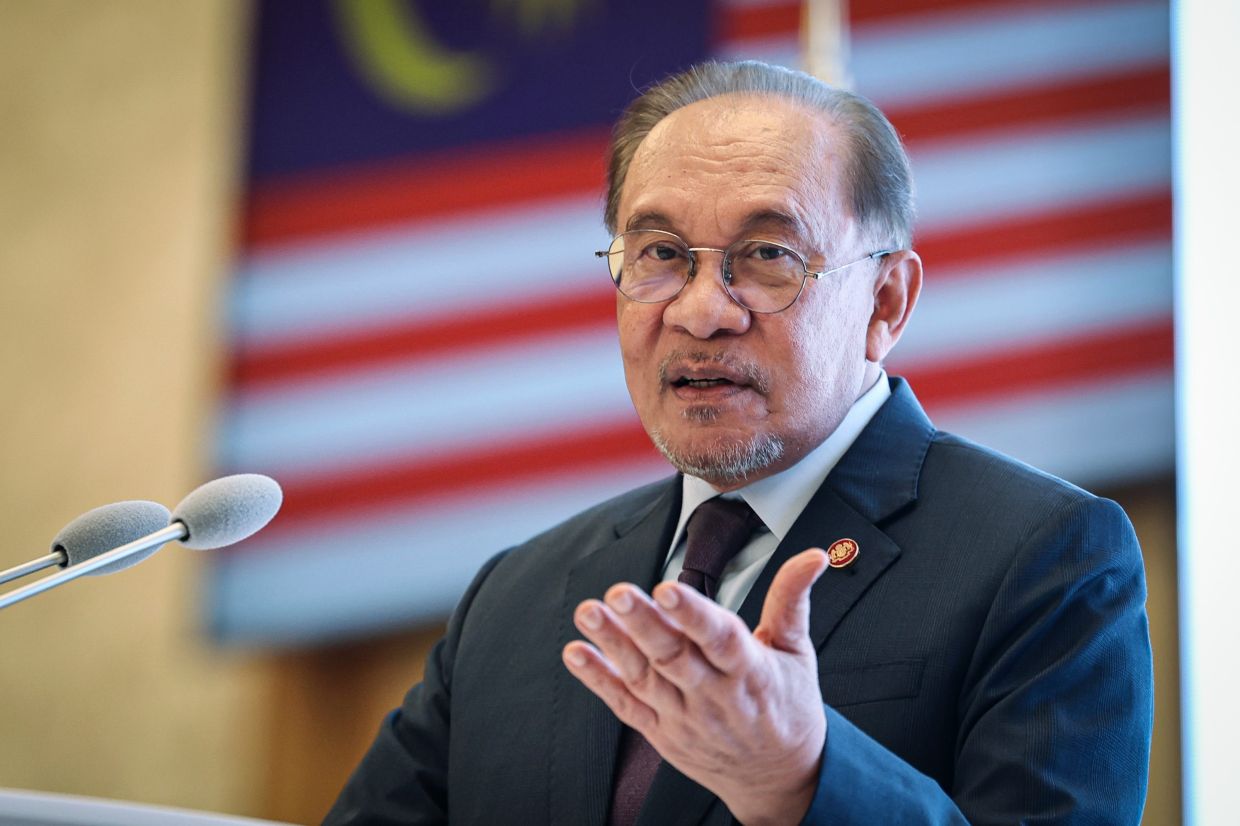
Prime Minister Datuk Seri Anwar Ibrahim has indicated that Malaysia and Singapore are moving toward finalising the master plan for the Johor-Singapore Special Economic Zone (JS-SEZ), marking a significant milestone in one of the region's most ambitious cross-border economic projects. Speaking after a courtesy call with Singapore President Tharman Shanmugaratnam on Thursday, Anwar noted that both nations have welcomed the progress achieved thus far on the initiative, which aims to unlock economic opportunities across the Johor-Singapore border through integrated development and trade facilitation.
The timing of this announcement during President Tharman's three-day state visit to Malaysia from July 13 to 15 reflects the high priority both governments place on the JS-SEZ initiative. As Malaysia's Prime Minister and Finance Minister, Anwar's direct involvement underscores the economic and strategic significance of the project, which has long been envisioned as a catalyst for regional growth and investment. The special economic zone concept represents a departure from traditional bilateral arrangements, offering the potential for harmonised regulations, streamlined customs procedures, and coordinated infrastructure development that could benefit businesses operating across the border.
During their discussions, Anwar and President Tharman exchanged perspectives on the broader Malaysia-Singapore relationship, regional developments, and various areas of mutual concern. The conversation went beyond the JS-SEZ to encompass the wider diplomatic and economic landscape that both nations navigate. This comprehensive approach to bilateral engagement reflects the maturity of the relationship and the understanding that successful economic projects require a foundation of stable diplomatic relations and coordinated policy frameworks.
A crucial element highlighted in Anwar's statement was the commitment both sides have demonstrated to resolving outstanding issues that have occasionally strained the relationship. The Prime Minister specifically noted that discussions touched on positive progress in addressing these longstanding matters, with both Malaysia and Singapore reaffirming their dedication to working through remaining challenges via constructive dialogue. This emphasis on constructive engagement is particularly significant given the history of bilateral disputes, ranging from water agreements to maritime boundaries, which have periodically tested the relationship.
The diplomatic language employed by Anwar—emphasising the "spirit of mutual respect and understanding"—signals that both nations are committed to moving forward on a foundation of renewed goodwill. This is not merely rhetorical flourish; it reflects a deliberate choice by both governments to prioritise pragmatic cooperation over the airing of grievances. For Malaysia, particularly, this represents a continuation of the approach taken under the current administration to strengthen ties with its closest neighbour and most important trading partner in Southeast Asia.
The JS-SEZ project itself carries substantial implications for Johor's economic development and Malaysia's broader integration into regional supply chains. By creating a special economic zone that operates under harmonised rules between two different national jurisdictions, the initiative could attract multinational corporations seeking operational flexibility and access to both markets. The zone has the potential to become a hub for logistics, manufacturing, petrochemicals, and digital services, leveraging Singapore's financial expertise and Malaysia's natural resources and manufacturing capacity.
For Malaysian stakeholders in Johor, the finalisation of the JS-SEZ master plan represents movement toward tangible benefits including job creation, infrastructure development, and increased foreign direct investment. The project's success will depend heavily on the detailed provisions of the master plan, including governance structures, dispute resolution mechanisms, tax and regulatory frameworks, and the sequencing of infrastructure projects. These technical details are as important as the political will to proceed, and their resolution through careful negotiation is what the upcoming finalisation will address.
The regional context adds another layer of importance to this bilateral development. As Southeast Asia navigates geopolitical tensions and economic competition from major powers, the deepening of Malaysia-Singapore cooperation sends a message about the region's commitment to economic integration and stability. The JS-SEZ could serve as a model for other cross-border initiatives within ASEAN, demonstrating how neighbouring countries can create win-win arrangements that benefit both economies and their respective populations.
President Tharman's visit to Malaysia, which includes interactions with His Majesty Sultan Ibrahim, King of Malaysia, provides the ceremonial and diplomatic platform for substantive progress on bilateral projects. The fact that the JS-SEZ features prominently in such high-level discussions indicates its importance in the bilateral agenda. For Singapore, the initiative offers access to larger markets and production hinterlands; for Malaysia, it promises economic modernisation and integration with one of Asia's most advanced financial and logistics hubs.
Looking ahead, the finalisation of the JS-SEZ master plan is likely to be followed by implementation phases that will test both governments' commitment to the project. Success will require sustained coordination between Malaysian and Singaporean agencies, investment in cross-border infrastructure, and potentially legislative or regulatory changes in both countries. The challenges of translating ambitious economic visions into functioning zones should not be underestimated, yet the momentum generated by high-level political commitment and recent diplomatic progress suggests that this particular initiative enjoys the backing necessary for eventual realisation.
Anwar's expression of hope that Malaysia-Singapore relations will continue strengthening on the basis of trust and mutual benefit reflects an understanding that sustained economic cooperation requires political will and good faith from both sides. As the master plan moves toward finalisation, the practical details will become clearer, but the broad parameters appear set: two neighbours, each recognising the value of cooperation, working to create institutional arrangements that allow their complementary strengths to generate shared prosperity.

