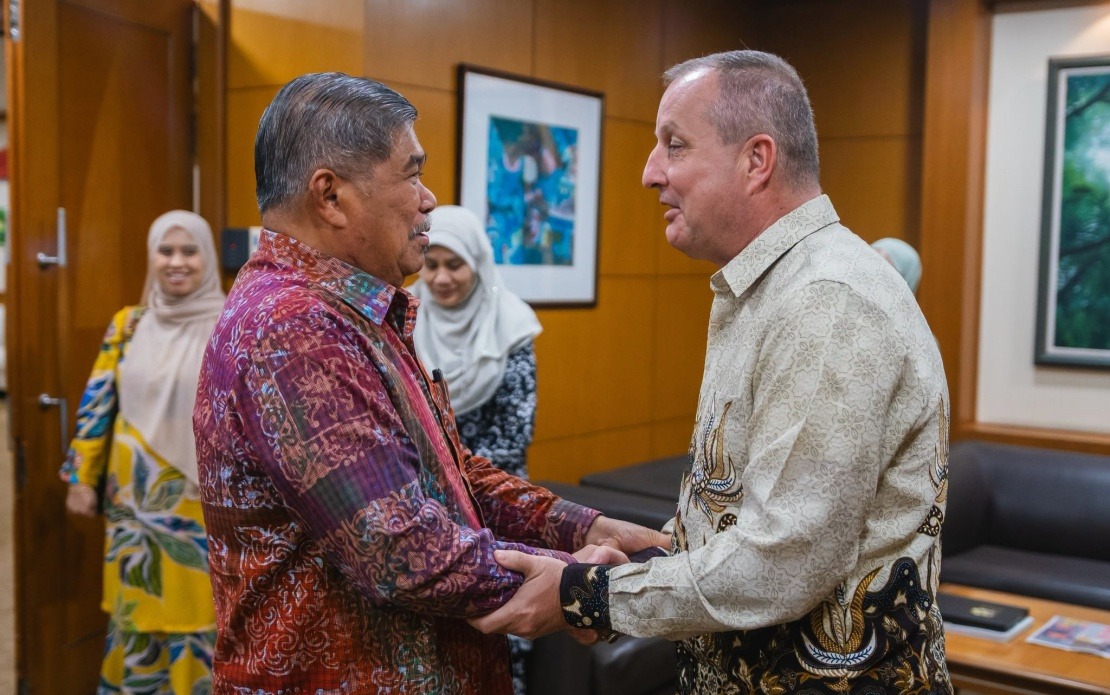
Malaysia and Hungary are moving to broaden their partnership in agriculture and food security, signalling a strategic shift toward strengthening supply chain resilience across different regions. During a recent courtesy meeting between Agriculture and Food Security Minister Datuk Seri Mohamad Sabu and Hungarian Ambassador to Malaysia Dr. Sándor Sipos, both nations outlined an ambitious agenda encompassing research initiatives, trade expansion, and knowledge exchange that reflects growing recognition of interdependence in global food systems.
One of the headline announcements centres on Hungary's participation in the Malaysian Agriculture, Horticulture and Agrotourism Exhibition (MAHA) 2026, a biennial showcase that attracts thousands of industry players, policymakers, and investors from across Southeast Asia and beyond. This decision underscores Budapest's commitment to engaging with Malaysia as a gateway to the region's agricultural marketplace, while simultaneously offering Malaysian stakeholders exposure to Central European farming practices, technology, and investment potential. For Malaysia, hosting a significant Hungarian presence at MAHA aligns with efforts to position the country as a hub for agri-food innovation and cross-border collaboration.
Central to the bilateral arrangement is the implementation of the first Malaysia-Hungary Joint Working Group (JWG) meeting, a formal mechanism designed to coordinate policy dialogue and remove barriers to seamless cooperation. Such institutional frameworks are critical in Southeast Asia, where bureaucratic alignment and regulatory harmonisation often determine whether bilateral initiatives succeed beyond ceremonial announcements. The JWG provides a structured channel through which both governments can address tariffs, certification standards, and supply chain logistics that directly impact farmers and exporters on the ground.
The technical dimension of the partnership gains particular salience through planned research collaboration between the Malaysian Agricultural Research and Development Institute (MARDI) and the Hungarian University of Agriculture and Life Sciences (MATE). This alliance taps into Hungary's recognised expertise in livestock production, crop genetics, and sustainable farming methods—areas where Southeast Asian nations face mounting pressure to increase yields while managing environmental constraints. By formalising research linkages, Malaysia positions itself to access cutting-edge breeding technology and genetic improvement programmes that could enhance the competitiveness of local agri-businesses in export markets.
The Erasmus+ Researcher exchange programme represents a notable soft power dimension of the arrangement, facilitating mobility between scientists, agronomists, and PhD candidates from both countries. Such exchanges build long-term relationships and institutional knowledge transfer that outlast individual government administrations. For Malaysian researchers, exposure to Central European agricultural systems—particularly in temperate crop production and precision farming—may yield innovations applicable to Malaysia's tropical context through adaptation. Conversely, Hungarian researchers benefit from Malaysian expertise in tropical agriculture, biodiverse farming systems, and climate-resilient crop varieties critical to understanding agricultural futures in warming climates.
Specific research priorities identified during the ministerial discussion include genetics, breeding technology, and the development of high-quality livestock products. These domains are strategically significant for Malaysia, where demand for premium animal proteins continues rising amid urbanisation and growing middle-class consumption. Hungarian expertise in dairy cattle genetics, poultry breeding, and meat processing aligns well with Malaysia's objectives to reduce reliance on imported livestock and livestock derivatives whilst meeting domestic food security targets. The technical cooperation signals confidence that shared scientific standards and peer-reviewed methodologies will translate into commercial outcomes benefiting both economies.
The broader trade and investment dimension encompasses efforts to expand agri-food commerce between Malaysia and Hungary, creating channels for Malaysian palm oil, tropical fruits, and value-added food products to reach Central European and broader European Union markets. Simultaneously, Hungarian processed foods, specialty crops, and agricultural technology may find receptive audiences among Malaysian importers and agri-businesses seeking European standards and certified supplies. This bilateral trade pathway complements Malaysia's existing multilateral arrangements and represents incremental progress toward diversifying market access beyond traditional partners.
For Malaysian farmers, breeders, and agri-food entrepreneurs, the partnership promises tangible benefits through technology transfer, capacity-building initiatives, and exposure to international best practices. Smallholder farmers in particular stand to gain from accessible guidance on modern breeding techniques, sustainable pest management, and post-harvest value addition. The emphasis on sharing expertise reflects recognition that agricultural productivity in Malaysia must rise to support an increasingly urbanised population while managing land scarcity and environmental pressures—challenges that Hungarian researchers and policymakers have navigated in their own context.
The timing of this deepened partnership carries regional significance amidst broader geopolitical flux and concerns about food security in Southeast Asia. Climate volatility, transnational supply chain disruptions, and shifting trade relationships have prompted nations across the region to diversify agricultural partnerships beyond traditional axes. Malaysia's engagement with Hungary signals openness to partnerships spanning diverse geographical and political contexts, strengthening the nation's position as a credible agricultural innovator and reliable market actor within ASEAN and globally.
Moving forward, success hinges on translating formal agreements into measurable outcomes—concrete research papers, licensed technologies, increased bilateral trade volumes, and demonstrated improvements in agricultural productivity. The commitment to continue strengthening Malaysia-Hungary relations in the agricultural sector represents a prudent investment in resilience, innovation capacity, and mutual prosperity. As food security remains a defining challenge for the coming decade, deepening South-North agricultural partnerships such as this one offers practical pathways toward more diversified, sophisticated, and secure food systems across Southeast Asia and beyond.

