%22%2F%3E%3C%2Fpattern%3E%3C%2Fdefs%3E%3Crect%20width%3D%22100%25%22%20height%3D%22100%25%22%20fill%3D%22url(%23ph26t54g)%22%2F%3E%3Crect%20width%3D%22100%25%22%20height%3D%22100%25%22%20fill%3D%22url(%23ph26t54p)%22%2F%3E%3Ctext%20x%3D%2250%25%22%20y%3D%2250%25%22%20text-anchor%3D%22middle%22%20dominant-baseline%3D%22central%22%20fill%3D%22rgba(255%2C255%2C255%2C0.95)%22%20font-family%3D%22Georgia%2C%20'Times%20New%20Roman'%2C%20serif%22%20font-weight%3D%22700%22%20font-size%3D%22170%22%20letter-spacing%3D%22-0.02em%22%3EMalaysia%3C%2Ftext%3E%3C%2Fsvg%3E)
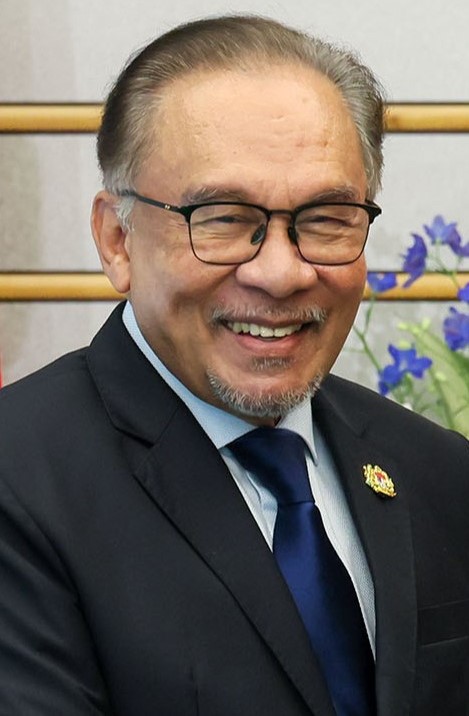
Prime Minister Anwar Ibrahim and his Bangladeshi counterpart Sheikh Hasina Wazed have reaffirmed their nations' commitment to safeguarding migrant workers from abuse and unfair treatment during bilateral discussions in Putrajaya. The two leaders acknowledged that inadequate protections and exploitative practices remain persistent challenges in cross-border labour arrangements, signalling renewed political attention to an issue affecting hundreds of thousands of workers who form a vital backbone of Malaysia's economy and construction, agriculture, and domestic service sectors.
The joint commitment represents a significant diplomatic moment for addressing worker vulnerability, as both countries recognise that current mechanisms have proven insufficient in deterring unscrupulous employers and recruitment agents. Malaysia hosts a substantial population of Bangladeshi nationals, many of whom remit significant portions of their earnings back to their families, making the integrity of employment relationships directly consequential for poverty reduction and economic stability across both nations. The emphasis on systemic reform rather than ad hoc intervention signals that Putrajaya and Dhaka intend to move beyond reactive complaints handling toward preventative structures.
Anwar's public prioritisation of migrant welfare reflects domestic political considerations alongside humanitarian concerns. Malaysia's manufacturing and service sectors depend heavily on foreign labour, yet workplace incidents and wage theft scandals have periodically sparked public outcry and damaged the country's international reputation. By positioning himself as an advocate for worker rights, the Prime Minister signals to both Malaysian voters and international observers that his government takes employment standards seriously—a positioning that carries weight in an era when corporate social responsibility and human rights due diligence increasingly influence trade relationships and foreign investment decisions.
Bangladeshi Prime Minister Sheikh Hasina Wazed used the platform to request expanded employment opportunities for her citizens, a natural negotiating position given Bangladesh's persistent struggle with underemployment and the economic lifeline that overseas remittances provide. Her administration faces domestic pressure to facilitate job-creation pathways, and Malaysia—as the region's most developed economy with persistent labour shortages in manual and semi-skilled occupations—remains an attractive destination. However, her insistence on coupling job expansion with fairer recruitment practices indicates that Dhaka will not accept growth in labour migration at the cost of worker exploitation, a red line that reflects both ethical commitments and practical awareness that poorly treated workers generate diplomatic friction and negative publicity.
The discussion of recruitment process reform touches on a particularly fraught dimension of migrant labour in Southeast Asia. Recruitment agents operating across borders frequently charge excessive fees, sometimes equivalent to several months' wages, leaving workers indebted and vulnerable to wage deductions and contract manipulation. Fraudulent job descriptions, sudden changes to employment terms upon arrival, and collusion between recruiters and employers to suppress wages have created documented patterns of abuse. Malaysia and Bangladesh signalling intention to harmonise and strengthen vetting procedures for legitimate recruitment intermediaries could substantially reduce such vulnerabilities, though implementation will require robust enforcement and coordination between government agencies often hampered by corruption or resource constraints.
The timing of this bilateral emphasis also reflects broader regional trends. Southeast Asia's labour migration corridors have become increasingly complex as emerging economies compete for workers and destination countries attempt to balance labour market needs against citizen unemployment concerns. Thailand, Singapore, and Vietnam are all competing for Bangladeshi and other South Asian labour, creating leverage for both sending and receiving countries. Malaysia's willingness to engage substantively on worker protections may partly reflect concern that reputational damage from labour exploitation scandals could undermine its competitiveness in attracting quality workers—a subtle market mechanism whereby worker rights become entangled with economic self-interest.
Domestic workers, a large proportion of whom are female and from Bangladesh, represent a particular concern within any bilateral labour agreement. This sector has long resisted regulation and transparency due to its informal, household-based nature. Female workers face heightened vulnerability to physical and sexual abuse alongside wage theft, and legal remedies remain difficult to access when alleged abuses occur behind closed doors. Any genuine commitment to fairer recruitment and working conditions must explicitly address domestic work and create accessible complaint mechanisms that do not force workers to choose between reporting violations and maintaining income.
Implementation mechanisms will prove decisive in determining whether this bilateral commitment translates into measurable improvements. Paper agreements, while symbolically important, often founder when confronted with entrenched interests. Recruitment agents generating profits from fee extraction, employers accustomed to exploitative labour relations, and overstretched government enforcement agencies all represent obstacles to reform. The establishment of joint monitoring committees, surprise workplace inspections, and transparent wage verification systems could strengthen accountability, but such measures require political will and sustained funding—resources that frequently diminish after diplomatic announcements fade from public attention.
The emphasis on mutual standards-setting also carries implications for Malaysia's position within international labour governance. The International Labour Organisation and other multilateral bodies increasingly scrutinise migration practices, and countries perceived as harbouring endemic labour exploitation risk sanctions, consumer campaigns, and diplomatic isolation. By visibly partnering with Bangladesh on worker protection, Malaysia strengthens its claims of commitment to international labour standards while simultaneously addressing a genuine humanitarian challenge. For Malaysian employers and industry bodies, the message is clear: labour practices will receive heightened scrutiny, and investment in compliance infrastructure is becoming not merely a matter of corporate ethics but also of commercial sustainability.
Looking forward, the bilateral framework must evolve beyond rhetorical commitments to demonstrate concrete outcomes: measurable reductions in recruitment fee burdens, documented improvements in wage compliance, and accessible grievance resolution systems that empower workers to report violations without fear of deportation or blacklisting. Only when such tangible protections reach migrant workers in Malaysian factories, construction sites, and homes will the Putrajaya accord represent genuine progress rather than political posturing. The challenge now lies in converting high-level diplomatic accord into institutional change that restructures the incentive structures encouraging labour exploitation.