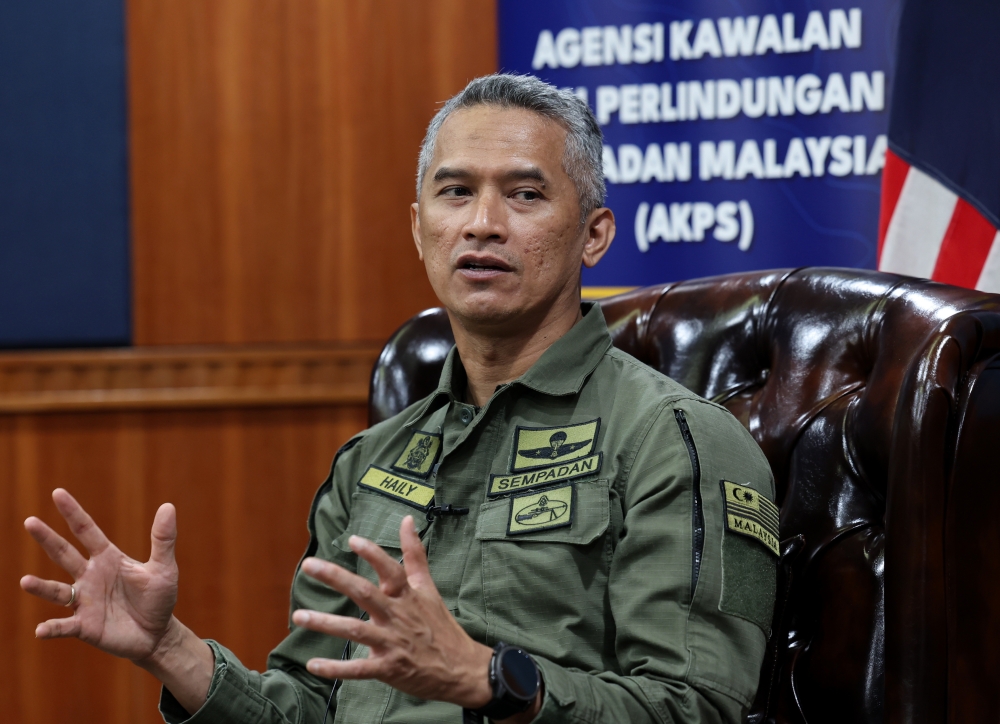
Malaysian border control officials have disclosed that a pilot employed by Malaysia Airlines passed through baggage screening at Kuala Lumpur International Airport without triggering any alerts before his subsequent arrest at an Indonesian airport carrying controlled substances. The revelation has prompted local authorities to launch a comprehensive examination into security protocols and screening procedures at the country's primary international aviation hub.
The incident highlights a critical junction point in airport security procedures, where the interplay between different national border agencies and their respective detection mechanisms becomes particularly significant. When passengers transit through multiple airports within a short timeframe, the effectiveness of security protocols at each location can become a matter of both domestic and international concern. The fact that the pilot cleared screening at KLIA but faced detention after arriving in Jakarta raises important questions about the consistency and reliability of baggage inspection methodologies across the region.
Border agency leadership has indicated that their operations at KLIA operate according to established protocols, with no irregularities detected during the initial processing. This statement does not necessarily indicate complacency or procedural failures, but rather underscores the inherent challenges faced by modern airport security systems in detecting concealed contraband. The volume of passengers and baggage flowing through KLIA daily—one of Southeast Asia's busiest aviation hubs—places considerable strain on screening infrastructure, even with state-of-the-art detection equipment deployed throughout the terminal.
The arrest itself occurred at an Indonesian airport, placing the immediate investigation under the jurisdiction of Indonesian authorities. However, Malaysian officials have recognized that circumstances surrounding the pilot's departure from KLIA warrant domestic scrutiny. The involvement of a Malaysia Airlines crew member adds another layer of complexity, as airline personnel often benefit from expedited processing that may inadvertently create blind spots in security oversight. Understanding whether standard screening procedures were fully applied becomes essential in this context.
For Malaysia's tourism and aviation sectors, such incidents carry reputational implications that extend beyond the immediate case. Indonesia and Malaysia maintain close aviation connections, with thousands of passengers crossing the shared border daily. Any perceived weakness in security procedures at either nation's airports can affect passenger confidence and international perception of Southeast Asian aviation standards. Both countries have invested substantially in modernizing their airport infrastructure and security apparatus, making it imperative that systems perform reliably and consistently.
The investigation being conducted by Malaysian authorities will likely examine multiple variables: whether the pilot's luggage was subjected to the same screening protocols as other passengers, whether any x-ray or physical inspection occurred, and what may have changed between the KLIA screening and the Jakarta arrest. Technical factors also warrant examination—whether detection equipment functioned optimally on the relevant date, whether staffing levels were adequate, and whether any procedural shortcuts were taken given the pilot's occupational status.
Indonesian authorities' discovery of the contraband raises parallel questions about their own screening procedures at the point of arrival. If detection occurred upon landing in Jakarta rather than during departure from Kuala Lumpur, it suggests either that Indonesian inspectors employed more rigorous or effective screening methods, or that the substance was deliberately concealed in a manner designed to evade detection at the departure point. These scenarios carry different implications for assessing where security gaps may exist.
The broader context of regional drug trafficking and aviation security remains relevant to Malaysian policymakers. Southeast Asia continues to serve as a transit route for significant quantities of illicit substances moving between production centers and end markets. Airports represent particularly vulnerable points in this trafficking network, as the combination of high passenger volumes and the relative anonymity of air travel creates opportunities for smuggling operations. Law enforcement agencies across the region have documented increasing sophistication in concealment methods and trafficking routes.
For Malaysia Airlines specifically, the incident presents both an immediate operational challenge and a longer-term reputational consideration. The airline operates within highly competitive regional markets where safety and security perceptions directly influence passenger decisions. Any suggestion that crew members might be compromised by involvement in trafficking activities could affect confidence among both leisure and corporate travelers. The carrier has likely initiated its own internal review processes to determine whether any procedural or personnel issues contributed to the situation.
The Malaysian government's decision to transparently disclose that baggage screening occurred without incident at KLIA suggests an approach prioritizing accountability and public confidence in institutional processes. Rather than obscuring the incident or shifting blame entirely to Indonesian counterparts, acknowledging that screening took place while contraband was still discovered creates space for genuine investigation and improvement. This openness also positions Malaysia favorably in international aviation security discussions, where regulatory bodies place considerable emphasis on transparency and cooperative investigation practices.
Moving forward, this case will likely influence discussions about standardizing baggage screening protocols and sharing information more effectively between nations sharing aviation corridors. The ASEAN region has made significant progress in coordinating security measures, but incidents such as this demonstrate that room for enhancement remains. Enhanced screening for aviation personnel, particularly those with regular access to aircraft and restricted areas, may warrant consideration as an additional security layer.
The investigation's conclusions will carry implications extending beyond the immediate circumstances of this arrest. How Malaysian and Indonesian authorities handle the case, what procedural adjustments they implement, and what lessons they communicate to their respective aviation communities will shape regional security practices for years to come. For Malaysian travelers and aviation industry stakeholders, the resolution of this matter represents an important opportunity to reinforce public confidence in the country's commitment to maintaining rigorous, reliable security standards at its primary aviation gateways.

