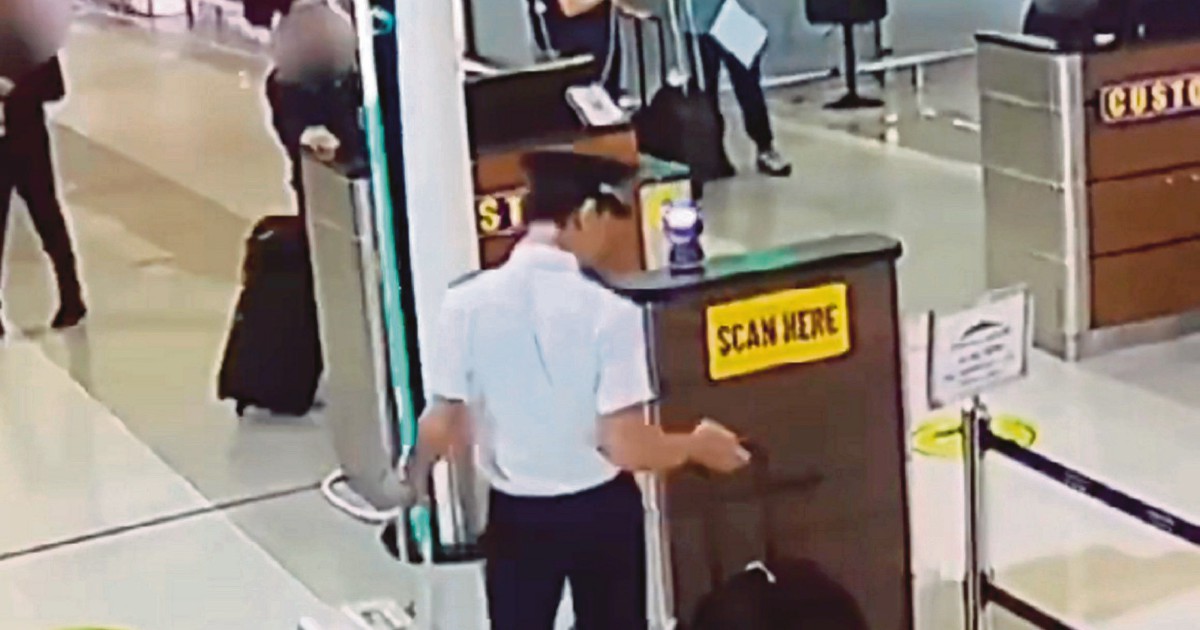
A Malaysia Airlines pilot detained in Indonesia on suspicion of attempting to smuggle 25 kilogrammes of ecstasy pills has triggered an urgent examination of security practices at Kuala Lumpur International Airport and within the national carrier itself. The incident has alarmed senior pilots in the aviation industry, who are demanding clarity on how an individual holding such a sensitive position managed to circumvent the layered security protocols that are supposed to protect one of Southeast Asia's busiest international hubs.
The arrest exposes potential vulnerabilities in vetting mechanisms that operate both at airport level and within Malaysia Airlines' internal screening procedures. Pilots occupy a uniquely privileged position within aviation infrastructure, enjoying access to secured areas and restricted zones that are strictly controlled to prevent security threats. The fact that someone in this role was able to allegedly transport narcotics through the airport raises troubling questions about the effectiveness of existing oversight systems and whether background checks are sufficiently robust or regularly updated.
Security experts note that multiple checkpoints should have detected any individual attempting to move contraband through KLIA. These include identity verification, bag screening at various stages, and physical inspections conducted by airport security personnel. The involvement of a Malaysia Airlines employee—someone with legitimate credentials to be in secure areas—may have inadvertently created blind spots in standard procedures. Security protocols often become less stringent when dealing with employees who possess valid access credentials, potentially creating exploitable gaps that individuals with insider knowledge might leverage.
The incident has broader implications for Malaysia's reputation as a regional aviation hub. KLIA handles millions of passengers annually and serves as a critical transit point for international travel and trade across Southeast Asia. Any perception that security standards have weakened could affect passenger confidence and potentially influence business decisions by airlines and freight operators considering hub operations in Malaysia. International aviation authorities and partner nations may scrutinise Malaysia's security frameworks more closely following this high-profile case.
Malaysia Airlines has indicated it will cooperate fully with investigations and has begun reviewing its own hiring and monitoring procedures. The carrier faces pressure to demonstrate that its vetting processes for pilots—individuals entrusted with extraordinary responsibility and airport access—are comprehensive and effective. Questions are likely to emerge regarding whether psychological assessments, financial background checks, and periodic security clearance renewals meet international standards and best practices observed by peer airlines in developed markets.
The drug smuggling allegation itself reflects concerning trends in transnational narcotic trafficking through Asia. Organised crime networks have become increasingly sophisticated in recruiting individuals with legitimate access to secure areas, offering substantial financial incentives in exchange for moving contraband. Pilots, ground crew, customs officers, and other airport workers have historically been targets for recruitment by drug syndicates. The case underscores the need for enhanced awareness programmes within Malaysia Airlines about such recruitment tactics and the serious legal and professional consequences of involvement in drug trafficking.
Investigators will likely examine whether other Malaysia Airlines employees may have been involved in supporting or facilitating the alleged smuggling attempt. Examination of the pilot's financial records, communications, and travel patterns could reveal a larger network. The involvement of Indonesian authorities in the arrest adds a cross-border dimension that may complicate investigation procedures but also highlights the importance of regional cooperation in combating aviation-related crime and terrorism threats.
Regulatory bodies including the Civil Aviation Authority of Malaysia will almost certainly conduct a comprehensive audit of KLIA's security procedures to identify systemic weaknesses. This may result in enhanced bag screening protocols, more frequent and unannounced inspections of secure areas, improved CCTV monitoring, and stricter access control mechanisms. Airlines operating from KLIA will likely be required to implement additional internal controls and reporting procedures to identify employees displaying behavioural or financial indicators of potential involvement in illegal activities.
The incident arrives at a sensitive time for Malaysia's aviation sector, which has been recovering from earlier reputational damage related to security incidents and accidents. Rebuilding public and international confidence requires demonstrable improvements in safety and security standards. Transparency in investigating this case and implementing meaningful reforms will be crucial for signalling commitment to maintaining the highest standards across all aspects of airport operations.
For Malaysia Airlines specifically, this episode will demand significant investment in upgraded training, monitoring systems, and security culture initiatives. The carrier must demonstrate that it takes the responsibility of employing individuals with airport access with utmost seriousness. Senior aviation professionals are watching closely to see whether the incident prompts genuine systemic improvements or merely superficial responses that fail to address underlying vulnerabilities in screening and monitoring protocols.

