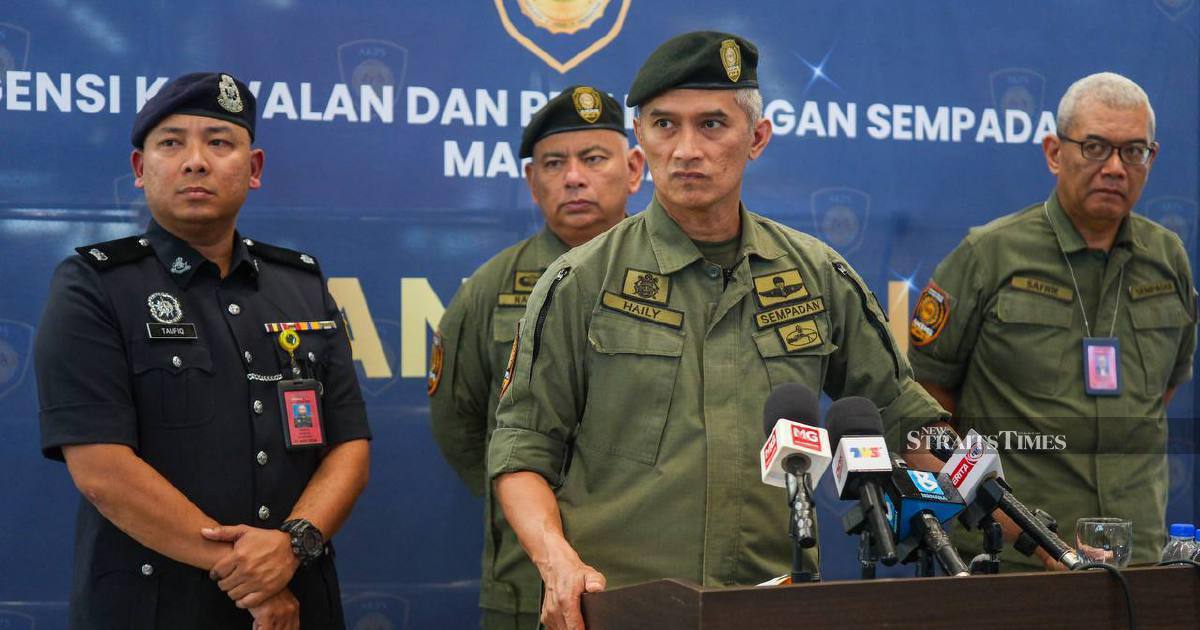
The Malaysian Customs and Border Authority has moved to defend its operational integrity following revelations that a Malaysia Airlines pilot detained in Indonesia faced accusations relating to alleged narcotic trafficking. In a statement issued from its Sepang headquarters, the MCBA emphasised that every aspect of its standard screening protocol was rigorously applied during the pilot's passage through Malaysian border checkpoints, despite subsequent developments that have drawn public scrutiny to the incident.
The case centres on a question that has raised concerns among Malaysian aviation and border security professionals: how a passenger carrying prohibited materials reportedly managed to transit through the country's border infrastructure without triggering detection systems. The pilot's arrest in Indonesia has intensified focus on the effectiveness of current screening mechanisms at Malaysian airports and frontier posts, particularly regarding the role of artificial intelligence-assisted scanning technology that forms part of the nation's modern security apparatus.
According to the MCBA's position, the AI-augmented baggage scanning systems deployed at Malaysian border checkpoints did not register any alerts when processing the pilot's luggage. This technical detail has become central to understanding whether the incident reveals gaps in automation capabilities or whether no prohibited items were present during the Malaysian screening phase. The authority has been careful to separate what its systems detected from what officials may later have discovered, a distinction that carries legal and procedural weight.
Standard operating procedures at Malaysian borders encompass multiple layers of verification beyond electronic scanning. These include physical inspection protocols, documentation review, and officer discretion based on risk assessment factors. The MCBA's assertion that all such procedures were followed suggests that even where technology did not flag concerns, human security personnel conducted their duties according to established guidelines. This multi-layered approach is intended to catch discrepancies that machines might miss, though no system is universally foolproof.
The incident has prompted broader conversation within Southeast Asian aviation circles about the coordination required when pilots and crew members travel internationally. Malaysia Airlines operates across the region, meaning its personnel frequently cross multiple borders. The pilot's journey through Malaysian territory represents merely one segment of a potential wider itinerary, raising questions about whether different national screening standards create vulnerabilities when examined as a system rather than in isolation.
Indonesia's detention of the pilot has placed Malaysian authorities in a delicate position. While defending their own procedures, they must also accommodate diplomatic considerations and respect Indonesian sovereignty over the investigation occurring in Indonesian territory. The MCBA's careful language reflects this balancing act, neither impugning Indonesian findings nor admitting procedural failures that could undermine confidence in Malaysian border security operations.
For Malaysian travellers and the aviation industry, the case illustrates the complexity of modern border security. Sophisticated AI systems represent significant technological advancement, yet their limitations remain evident. A scanner that registers no alert does not necessarily confirm that no prohibited material exists; rather, it indicates that any material present did not match the parameters the system was configured to detect. Understanding this distinction is crucial for public perception of border effectiveness.
The timing of the MCBA's statement appears strategic, released as public reporting on the case intensified. By proactively affirming procedural compliance rather than waiting for criticism to mount, the authority attempts to shape the narrative around its competence. Malaysian officials recognise that sustained questions about border security could affect tourism, commerce, and investor confidence in the country's ability to manage risk effectively.
The broader context matters considerably for Malaysian readers assessing this situation. Border authorities across Southeast Asia operate under resource constraints and face constant pressure to balance security with facilitating legitimate travel and trade. A single incident, however serious, must be weighed against the thousands of daily successful screenings that occur without incident or public attention. Simultaneously, any lapse in protocol or technology failure deserves examination to prevent recurrence.
Drug trafficking represents an enduring challenge across the region, with sophisticated smugglers continuously adapting methods to circumvent detection. Malaysian authorities have intensified efforts to combat narcotics transit, recognising that the country's strategic geographic location makes it attractive to trafficking networks. This particular case, if it does involve successfully smuggled materials, might indicate that new counter-measures require development or existing ones need refinement.
Looking forward, the MCBA's position that procedures were followed correctly does not preclude internal review or technology assessment. Best practice in security operations involves continuous evaluation of whether existing methods remain adequate against evolving threats. The pilot's case may well trigger such reviews, even if current procedures are deemed to have been properly executed in this instance.
The resolution of the legal proceedings in Indonesia will ultimately determine what actually occurred and whether any materials were indeed present in the pilot's baggage during transit through Malaysia. Until that determination becomes clear, the MCBA's assertion of procedural compliance stands as the Malaysian side of an incident whose full contours remain incompletely understood by the public.

