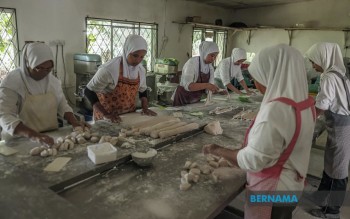
The Malaysian government has taken decisive steps to strengthen its halal ingredient sector by launching 23 concrete initiatives under the seven strategic pillars of the Halal Industry Master Plan 2030, signalling a long-term commitment to reducing the nation's reliance on imported critical ingredients. According to the Ministry of Investment, Trade and Industry, these programmes had reached implementation stage by May 30, 2026, representing a significant milestone in the government's broader agenda to insulate Malaysia's halal industry from external supply chain disruptions.
The strategic focus extends across multiple dimensions of the halal value chain. Seven of the 23 initiatives specifically target ingredient development through research and development partnerships, with particular emphasis on financing mechanisms for micro, small and medium enterprises that form the backbone of Malaysia's manufacturing sector. Talent development programmes and commercialisation pathways have been woven into the framework, recognising that technological innovation and skilled workforce capacity are essential prerequisites for achieving import substitution goals.
Implementation has been structured as a phased rollout designed to systematically address gaps in Malaysia's halal ingredient ecosystem. The approach begins with comprehensive mapping of critical ingredient categories where import dependence is highest and domestic production potential is strongest, followed by targeted research initiatives to develop local alternatives. Investment facilitation mechanisms have been introduced to reduce barriers faced by entrepreneurs seeking to enter or expand within the halal ingredient space, while structured support for leading companies aims to establish anchor firms capable of scaling production to meet regional demand.
A cornerstone of this strategy involves the MyHALALINGREDIENTS system launched by the Islamic Development Department (JAKIM) from August 15, 2025. This digital infrastructure serves as a centralised data collection and assessment platform recording the raw materials utilised by manufacturers, creating unprecedented transparency across Malaysia's halal supply network. By establishing detailed visibility into ingredient sourcing patterns, the system enables policymakers and industry stakeholders to identify specific import dependencies and prioritise development efforts accordingly.
The technological dimension extends beyond data collection. MyHALALINGREDIENTS has been deliberately integrated with Malaysia's existing MYeHALAL certification platform, creating a seamless ecosystem that streamlines halal certification processes across all recognised schemes. This integration reduces bureaucratic friction faced by manufacturers and accelerates time-to-market for locally produced halal ingredients, offering competitive advantages that could attract investment away from imported alternatives. For businesses, particularly MSMEs navigating complex certification requirements, this consolidated approach represents a tangible reduction in operational complexity and cost.
The government's methodology reflects a sophisticated understanding of import substitution economics. Rather than pursuing broad-based domestic production targets that may lack competitive viability, the strategy employs selective targeting of ingredient categories demonstrating three critical characteristics: strategic importance to downstream industries, significant existing import dependence, and genuine domestic production potential. This focused approach maximises likelihood of success by concentrating resources where conditions favour sustainable local alternatives.
Industry collaboration represents another pillar of the strategy. The initiatives include structured matching mechanisms connecting ingredient producers with leading multinational and domestic manufacturers requiring raw materials, fostering supply chain relationships that encourage greater use of locally sourced content. By creating direct linkages between suppliers and buyers, these matching efforts address fundamental market failures that often constrain growth of domestic suppliers competing against established international suppliers with entrenched distribution networks.
For Malaysia's broader economic positioning, this agenda carries implications extending beyond the halal sector itself. Strengthening ingredient production capabilities supports domestic value chain upgrading, reduces foreign exchange outflows through import substitution, and creates employment across manufacturing and food processing segments. Regional dimension matters significantly—as Southeast Asia's largest halal market, Malaysia's success in developing competitive ingredient production could establish a platform for regional exports, potentially positioning local producers to serve neighbouring countries' halal manufacturing sectors.
The timing of these initiatives reflects heightened global supply chain consciousness following the disruptions of recent years. For Malaysia's halal industry, which relies substantially on imported ingredients from diverse geographies, developing robust domestic sourcing reduces vulnerability to geopolitical tensions, currency fluctuations, and logistical disruptions affecting international trade. Enhanced self-sufficiency translates into greater stability for downstream manufacturers and ultimately more resilient halal product supply for domestic and regional consumers.
Implementation success will depend critically on sustained collaboration between government agencies, industry participants, financial institutions, and research institutions. The phased approach provides flexibility to adjust tactics based on real-world implementation experience, while the integrated digital platforms offer data-driven feedback mechanisms for continuous refinement. Given Malaysia's existing strengths in agricultural production, food processing capability, and halal market knowledge, the structural foundations for ingredient self-sufficiency appear solid, though achieving targets will require persistent execution across multiple stakeholder groups operating across different timescales and incentive structures.

