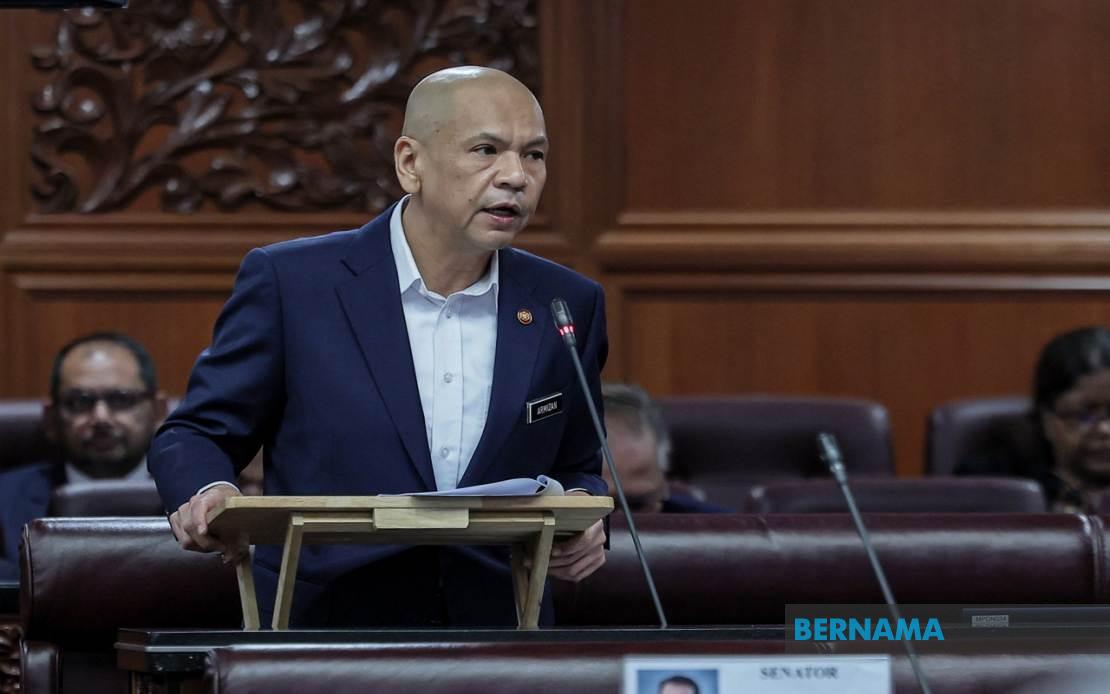
Parliament has advanced legislation to substantially reshape Malaysia's competition regulatory framework, with two amendment bills tabled for first reading in the Dewan Rakyat on June 23. Datuk Armizan Mohd Ali, the Minister at the Domestic Trade and Cost of Living Ministry, introduced the Competition (Amendment) Bill 2026 and the Competition Commission (Amendment) Bill 2026, both of which are expected to progress to second reading during the current sitting. These measures represent a significant recalibration of how the Malaysia Competition Commission, or MyCC, will operate and enforce competition law across the economy.
The substantive amendments contained within the Competition (Amendment) Bill 2026 target the foundational Competition Act 2010, seeking to modernize and strengthen several critical areas. Rather than operate within a narrowly defined commercial sphere, the revised Act will extend its reach to encompass all economic activities, a conceptual shift that signals the government's intent to ensure competition rules apply uniformly across traditionally protected or regulated sectors. This expansion carries considerable implications for state-owned enterprises, government-linked companies, and regulated industries such as utilities and telecommunications, which may face heightened scrutiny under competition principles.
Central to the legislative package are enhanced investigative and enforcement capabilities for MyCC. The amendments propose granting the Commission broad authority to demand information and documentation from any individual or entity, including government bodies, when conducting market reviews or investigations. Clause 7 specifically empowers MyCC to conduct these inquiries across the entire economic landscape, removing restrictions that previously limited its reach. This represents a notable expansion of regulatory authority that will require businesses and government agencies to maintain comprehensive records and cooperate with Commission investigations.
The Bills introduce new criminal provisions designed to deter obstruction of regulatory processes. Clause 13 creates an offence targeting anyone who deliberately destroys, conceals, defaces, or alters data or materials with the intent to mislead MyCC or obstruct its investigative and enforcement work. This provision carries significant implications for corporate compliance practices and document retention policies, as organisations must now treat competition-related materials with the same care they afford to other legally sensitive records. The criminalization of evidence tampering elevates the stakes for companies and individuals found to be interfering with MyCC operations.
Beyond investigative powers, the amendments restructure MyCC's internal decision-making processes and governance framework. The Competition Commission (Amendment) Bill 2026 clarifies the organisation's advisory mandate, explicitly recognizing its role in counseling the Minister, public authorities, and regulatory bodies on competition-related matters, including the formulation of policies, procedures, and programmes. This formalizes a consultative function that has arguably existed informally, but now positions MyCC as a central institution in competition policy development across government.
Staffing and appointment procedures have attracted legislative attention as part of the broader transparency and accountability agenda. Subclause 12(a) proposes that MyCC officers be appointed by the Commission itself, acting on the recommendation of its chief executive officer, rather than through external appointment processes. This internal appointment model aims to insulate recruitment from external political influence while maintaining accountability through the chief executive's gatekeeping role. The change reflects evolving thinking about regulatory independence and the need to insulate technical appointments from politicization.
The amendments also expand MyCC's flexibility in resource deployment through a delegation framework. Clause 10 permits the Commission to delegate functions and powers to its chairman, committees, officers, and employees, enabling more decentralized decision-making and faster operational responses. This structural flexibility allows MyCC to adapt its organizational arrangements to emerging competition concerns without requiring legislative amendment, though it also requires robust internal governance protocols to ensure consistent application of competition principles across delegated authorities.
For Malaysian businesses, particularly those operating in multiple sectors or with government contracts, these amendments signal a more assertive competition regime. The expansion to all economic activities means that sectors previously considered outside competition oversight, including some government procurement, licensing, and subsidy allocation decisions, may now face scrutiny for anti-competitive effects. Companies will need to review their pricing strategies, distribution arrangements, and market practices through a competition lens that is considerably broader than the current legal framework permits.
The regional dimension merits consideration as well. As ASEAN nations continue developing their respective competition frameworks, Malaysia's legislative evolution toward broader scope and stronger enforcement signals a maturing approach to market regulation. Other regional economies monitoring competition policy trends may view these amendments as a template for strengthening their own regimes, particularly in achieving coverage of state-owned enterprises and regulated sectors that have historically operated outside conventional competition rules.
Implementation will present practical challenges, particularly in the government sector. Public agencies and state enterprises will require guidance on how competition principles apply to their procurement decisions, service delivery, and subsidy distribution. MyCC will need to develop detailed guidance and case practice showing how competition law applies in the public sector context, as enforcement in government is qualitatively different from enforcement against private commercial actors and requires careful calibration to respect legitimate public policy objectives.
The timeline for implementation depends on parliamentary progression, but with both Bills expected to reach second reading during the current sitting, final passage is anticipated within months. Businesses should begin assessing compliance implications now, reviewing their market practices against the anticipated expanded scope of competition law. Legal and compliance teams will need to understand how the new provisions affect their sector and ensure documentation practices meet the heightened evidentiary standards that MyCC will now expect.
These amendments represent the most significant evolution of Malaysia's competition framework since the original Act 2010, reflecting a policy consensus that more aggressive competition enforcement serves economic efficiency and consumer welfare. The measures balance regulatory expansion with concerns about government accountability, creating a framework where MyCC operates with substantially greater investigative authority while remaining subject to clearer governance standards. As parliament considers these bills, the resulting legislation will shape competitive dynamics across Malaysia's economy for years ahead.