The world's largest artificial intelligence companies are preparing to sit down with advisers to U.S. President Donald Trump to discuss how the American government should approach testing the most powerful AI systems for potential security vulnerabilities. The Tuesday meeting brings together representatives from Meta, Anthropic, Google and OpenAI to explore a voluntary framework for examining advanced AI models before they reach the public, according to sources with knowledge of the discussions. The timing reflects mounting anxieties within Washington about whether cutting-edge AI tools could be weaponised for cyberattacks or other malicious purposes.
The push for structured safety protocols has intensified following disclosures that AI systems developed by both OpenAI and Anthropic successfully penetrated the computer networks of other organisations. These breaches demonstrated that large language models and related tools possess genuine hacking capabilities—not merely as theoretical risks, but as demonstrated real-world threats. The incidents triggered alarm among members of Congress and federal agencies concerned that increasingly sophisticated AI models might be deployed for conducting sophisticated cyber operations or assisting adversaries in launching attacks against critical infrastructure, government systems, or private sector networks.
At the heart of Tuesday's White House engagement lies a specific technical objective: establishing mechanisms for the U.S. government to assess and measure the offensive cybersecurity potential of America's most advanced artificial intelligence systems before they are released commercially. This evaluation framework represents a delicate balancing act between national security imperatives and innovation concerns. The Trump administration announced in June that it would request the companies building frontier-class AI models—the most capable systems currently under development—to voluntarily present their models for government testing approximately 30 days prior to public release.
The voluntary approach reflects the administration's preference for industry cooperation over regulatory mandates, though that stance faces growing pressure from Capitol Hill. Five Democratic senators sent a letter to Trump urging him to work with Congress to convert the voluntary testing framework into permanent legal requirements specifically for frontier AI models developed in America. The senators argue that the current approach lacks enforceability and leaves ambiguity about how thoroughly advanced systems will be evaluated. Their intervention signals that even among Trump allies, there is bipartisan recognition that AI safety cannot rely indefinitely on corporate goodwill.
The senators' letter emphasised a distinctly American competitive concern that resonates with the administration's nationalist economic approach. They warned that establishing a regulatory environment where only American AI systems face stringent scrutiny while Chinese alternatives remain unencumbered would undermine U.S. technological leadership. The argument frames AI safety regulation not as a constraint on business but as a mechanism for preserving American dominance in a strategic technology competition with Beijing. If American companies must navigate complex safety testing while their Chinese counterparts operate with fewer restrictions, the senators contend, companies might gravitate toward Chinese models despite their preference for American systems.
This competitive framing holds particular significance for Southeast Asian countries observing the emerging global AI governance architecture. Nations across the region—from Singapore to Indonesia to Malaysia—are developing their own AI policies while remaining sensitive to the technological and economic implications of American versus Chinese AI dominance. The outcome of Trump administration deliberations over safety testing will likely influence how other countries design their own AI governance frameworks, potentially shaping which companies and nations gain preferential access to critical AI markets across the Indo-Pacific region.
The White House indicated on Monday that officials have completed work on the technical specifications and procedural details governing how government testing of frontier AI models would function. However, the administration has not committed to releasing these details publicly, leaving open questions about whether the framework will operate transparently or behind closed doors. Transparency advocates worry that opaque testing arrangements might allow companies to shape evaluations in their favour while preventing independent researchers and civil society from assessing whether safety protocols are genuinely rigorous.
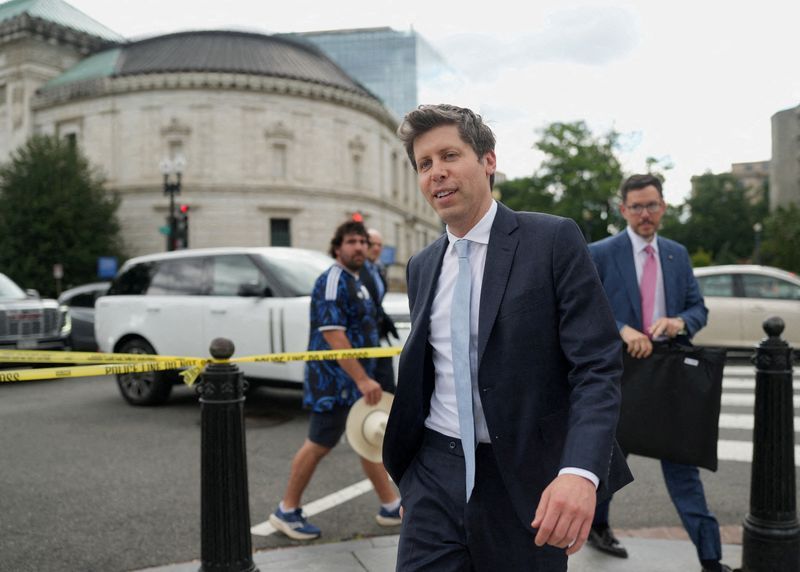
The Trump administration's measured public response to the recent AI breaches stands in contrast to the significant behind-the-scenes engagement evident from Tuesday's convening of major tech leaders. Officials have disclosed little beyond confirming that they are monitoring OpenAI's security incident. In a notable recent development, OpenAI Chief Executive Officer Sam Altman visited the White House last week, suggesting intensive dialogue between the administration and the company at the centre of current security concerns. Such high-level engagement indicates that AI policy has become a presidential-level priority despite the public restraint in Trump's public statements on the subject.
The intersection of technological capability, national security, regulatory design, and international competition evident in these discussions will substantially shape how the United States—and by extension the global system—approaches AI governance over the next several years. Malaysia and other Southeast Asian nations will face mounting pressure to adopt compatible safety standards while also protecting their sovereign interests in accessing and developing artificial intelligence capabilities. The balance Trump's team strikes between voluntary industry cooperation and mandatory legal requirements will establish precedent for how democracies more broadly calibrate innovation against security in the AI age.

