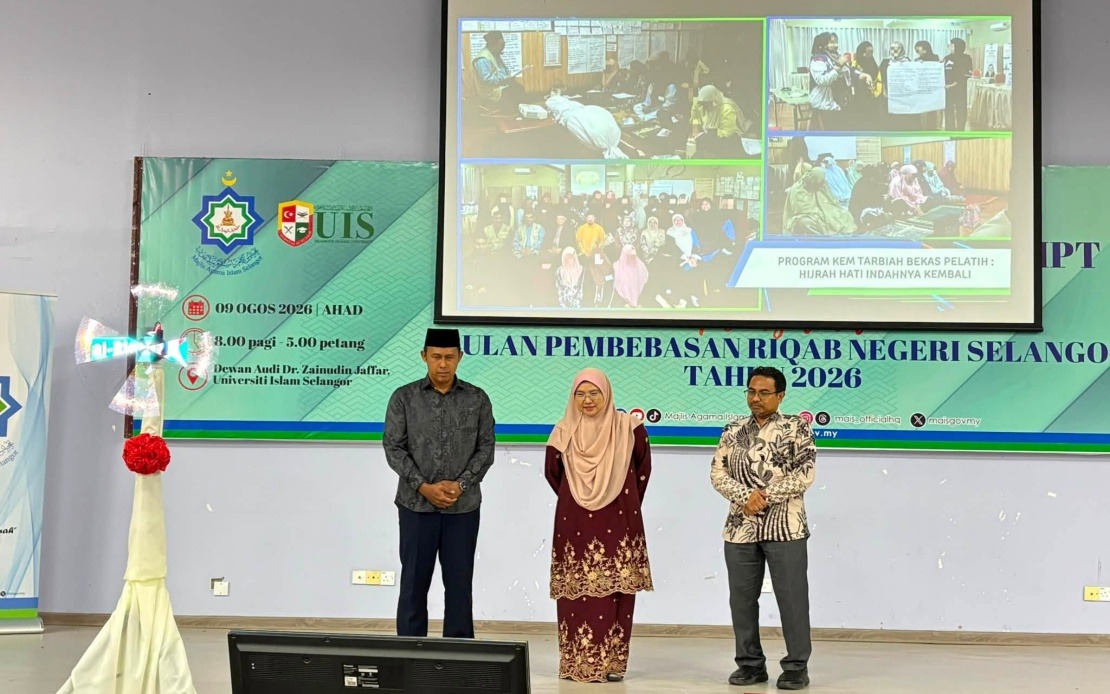
Malaysia's approach to addressing vulnerability within Muslim communities has taken concrete form through the Selangor Islamic Religious Council's substantial investment in social rehabilitation. The council distributed more than RM17 million in zakat allocations during the previous financial year to support 13,945 individuals classified as asnaf riqab—those facing interconnected social and spiritual challenges requiring coordinated intervention.
The classification of asnaf riqab, formally established through a 2012 fatwa, encompasses individuals grappling with drug dependency, gender identity issues, and those who have strayed from Islamic practice. This broad categorisation recognises that addressing social dysfunction requires holistic support combining spiritual guidance, medical treatment, and practical welfare assistance. Rather than treating these concerns in isolation, MAIS has structured its response through integrated programmes recognising the complexity of human vulnerability.
The infrastructure supporting this initiative demonstrates institutional commitment beyond rhetoric. Three dedicated rehabilitation homes operate alongside 24 additional facilities specifically designed for riqab support, creating a network spanning Selangor. These spaces function as more than temporary shelters; they serve as intervention hubs where individuals access coordinated rehabilitation grants, formal training courses, professional counselling services, and ongoing welfare support. The diversification of service delivery reflects understanding that vulnerable populations require multiple points of entry and sustained engagement.
Continuing momentum into the current year has seen 1,656 individuals benefit from RM4.1 million in zakat assistance during the first half of 2025 alone. This trajectory suggests MAIS has identified and refined effective intervention mechanisms, translating growing resource allocation into expanded reach. The council's appointment of 213 Al Riqab guides—mentors specifically trained to support rehabilitation journeys—indicates recognition that professional infrastructure, while essential, requires personalised human connection. These guides function as bridges between institutional systems and individual pathways toward stability.
The current Riqab Liberation Month Campaign, running through August 2025, represents MAIS's strategy to shift public consciousness around these issues. Beyond internal programme delivery, the council seeks to cultivate community participation and reduce stigma through public awareness initiatives. Scheduled seminars, informational forums, and guidance programmes create spaces for broader society to engage with these issues, acknowledging that rehabilitation success depends partly on social acceptance and family reintegration prospects.
For Malaysian policymakers observing these developments, MAIS's model offers insights into how religious institutions can mobilise existing financial instruments—particularly zakat, one of Islam's five pillars—toward social policy objectives. The integration of spiritual guidance with practical welfare demonstrates how faith-based frameworks can address contemporary social fragmentation without requiring wholesale adoption of secular models. This becomes particularly relevant in Southeast Asia, where multiple Muslim-majority societies navigate similar tensions between traditional values and modern social realities.
The scale of assistance—supporting nearly 14,000 individuals annually—underscores the magnitude of underlying social challenges within even relatively developed Malaysian states. That Selangor, with its economic advantages, requires this level of intervention suggests that prosperity alone cannot prevent social and spiritual dislocation. The prevalence of drug addiction, gender identity confusion, and faith deviation across income levels indicates these are systemic challenges requiring sustained institutional response rather than temporary charity.
Critical observers might question whether rehabilitation rates justify continued investment, yet MAIS appears focused on accessibility and prevention rather than claiming transformative overnight change. By deploying 213 mentors and maintaining ongoing counselling infrastructure, the council signals commitment to long-term accompaniment rather than superficial intervention. This approach acknowledges that rehabilitation involves setbacks, relapses, and complex psychological work extending over years.
The initiative also reflects evolving Islamic jurisprudence regarding vulnerable populations. Rather than exclusionary approaches, the 2012 fatwa defining asnaf riqab enabled structured inclusion within zakat distribution mechanisms. This reframing—treating those facing social and spiritual challenges as deserving beneficiaries rather than morally deficient individuals—potentially reduces barriers to help-seeking and enables more effective early intervention.
Regional implications merit consideration as well. Other Malaysian states and neighbouring Muslim-majority societies observing MAIS's approach may adapt similar frameworks. The council's transparent reporting of expenditure and beneficiary numbers creates accountability mechanisms encouraging replication and comparative learning across jurisdictions. If successful outcomes can be documented, this model could influence how religious authorities across Southeast Asia conceptualise their role in addressing social welfare.
Public engagement mechanisms, particularly through social media and the MAIS website, indicate awareness that beneficiary populations and their families increasingly access information through digital channels. Making campaign details readily available through multiple platforms suggests institutional modernisation alongside maintenance of traditional Islamic frameworks—a balance that Selangor's diverse, digitally-connected population likely requires.
Moving forward, sustained funding and expanded guide networks will likely determine programme scalability. The current RM4.1 million for half-year assistance suggests annual expenditure approaching RM8-9 million if projections hold, though year-round campaigns may generate additional resources. Whether rehabilitation success can be measured and publicly reported remains an open question affecting long-term institutional credibility and resource justification.

