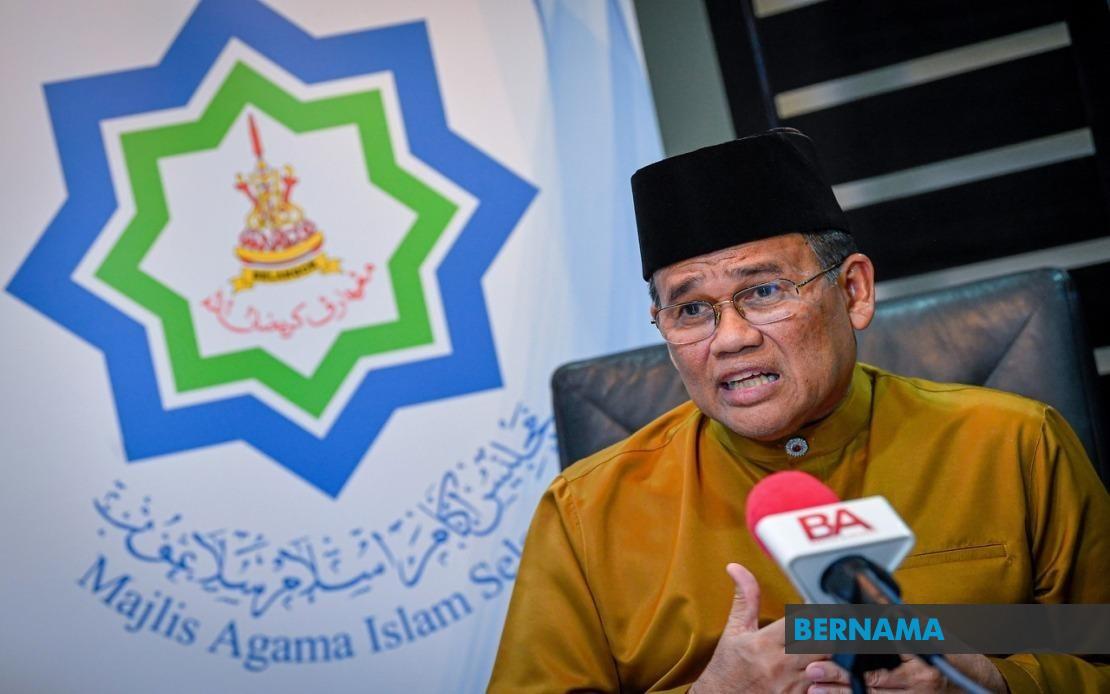
The Selangor Islamic Religious Council (MAIS) has initiated crisis management procedures following allegations that a burial at Ukay Perdana Muslim Cemetery in Hulu Kelang was significantly delayed, triggering widespread concern about the handling of Islamic funeral rites in the state. The council has directed an immediate convening of stakeholders including the deceased's next of kin, the management of Masjid Nurul Hidayah in Kampung Pandan Dalam, the Salatulrahim Welfare Organisation (BKS), and the Selangor Islamic Religious Department (JAIS) to collaboratively address the matter and prevent similar occurrences in future.
MAIS chairman Datuk Salehuddin Saidin characterised the gathering as a critical step toward finding equitable outcomes for all parties while safeguarding the integrity of Islamic funeral administration moving forward. The leadership has expressed profound sympathy for the family who endured distress during an already traumatic period of bereavement. The chairman's statement underscores institutional recognition that delays in Islamic burial procedures represent not merely administrative failures but deeply personal grievances affecting families at their most vulnerable moments.
The council has made clear that accountability mechanisms will be activated based on police investigation conclusions, with potential consequences ranging from criminal liability to findings of negligence or inter-agency communication breakdowns. This commitment to transparent consequences signals that MAIS intends to use the incident as a catalyst for systemic reform rather than allowing institutional reputation concerns to overshadow justice for the affected family. The public assurance of action carries particular weight given the sensitivity surrounding religious affairs and institutional trust in Selangor's Muslim-majority population.
Salehuddin referenced a preliminary investigation report released by JAIS director Datuk Mohd Shahzihan Ahmad the previous weekend, which was constructed from information supplied by the mosque's administration. However, the chairman's acknowledgement that multiple parties—including the mosque, the bereaved family, and the welfare organisation—have each submitted separate police reports suggests the preliminary findings may not capture the full complexity of what transpired. This multiplicity of accounts indicates genuine disagreement about responsibility and sequence of events, making the upcoming multi-stakeholder meeting essential for establishing common ground.
The involvement of BKS, a welfare organisation, hints at possible complications involving socioeconomic dimensions of the burial process. In Malaysia, funeral assistance organisations frequently interface with lower-income Muslim families, and any delays in their involvement could disproportionately affect those with fewer resources to navigate bureaucratic processes independently. The council's inclusion of BKS in resolution discussions recognises this reality and suggests systemic issues may extend beyond single institutional failures to encompass gaps in how various organisations coordinate during funeral procedures.
MAIS has signalled intention to undertake comprehensive review of existing protocols governing Islamic funeral and burial administration across Selangor's mosque network. This institutional introspection addresses a critical gap: many mosque managements operate with varying degrees of formalisation regarding deceased person handling, creating potential for inconsistent practice. By examining and standardising procedures, MAIS can establish baseline requirements ensuring that every Muslim burial adheres to both Islamic law requirements and modern administrative efficiency standards, regardless of which mosque or cemetery is involved.
The push for procedural excellence reflects understanding that funeral administration represents a foundational service through which Islamic institutions demonstrate either competence or dysfunction to their communities. When families encounter delays, confusion, or poor communication during burial arrangements, institutional credibility suffers broadly. Conversely, seamless coordination between mosque, cemetery management, welfare bodies, and religious authorities exemplifies Islamic values of compassion and community responsibility in action, strengthening believers' confidence in institutional Islam.
Salehuddin's appeal for community unity and restraint carries particular significance in contemporary Malaysia, where social media amplification of grievances can rapidly polarise public opinion along institutional or sectarian lines. By urging the Muslim community to resist allowing disagreement about this incident to become a source of broader division, MAIS leadership demonstrates awareness that funeral controversies touching on Islamic law and institutional responsibility can easily become flashpoints for wider institutional criticism. The emphasis on preserving brotherhood and preventing hostility represents both spiritual counsel and practical risk management.
For Malaysian readers, the MAIS response illustrates how senior religious authorities are responding to emerging pressures for institutional accountability and service quality. The transition from traditional deference toward religious institutions to demand for transparent investigation and procedural improvement reflects broader societal evolution. This case demonstrates that even sensitive areas involving religious law and practice are increasingly subject to public scrutiny and institutional obligation to demonstrate competence and fairness.
The timing and scope of MAIS's intervention suggests the burial delay incident reached sufficient public prominence to demand formal institutional response rather than quiet resolution. This escalation pattern—from family complaint to police reports to media coverage to high-level council intervention—has become increasingly common in Malaysia's digital age. It underscores how funeral administration, despite its personal and religious significance, has become subject to the same transparency expectations applied to other government and quasi-government services.
The resolution process unfolding over coming weeks will reveal whether MAIS can successfully identify root causes and implement meaningful reforms. Success requires honest acknowledgement of specific institutional failures and willingness to assign responsibility clearly. Failure to do so would suggest the meeting functions primarily as damage control rather than genuine accountability, potentially eroding confidence further. The bereaved family's subsequent public commentary about whether their concerns were genuinely addressed will largely determine whether this incident catalyses real change in Selangor's funeral administration systems.

