Malaysia Airports Holdings Bhd (MAHB) has reaffirmed its resolve to work alongside law enforcement and border security agencies in combating illegal activities that threaten Malaysia's gateways, particularly in the wake of a high-profile drug case involving a commercial pilot detained in Indonesia. The airport operator's statement underscores the critical importance of coordinated security measures at major transportation hubs, where vulnerabilities can be exploited by sophisticated trafficking networks operating across Southeast Asia's porous regional borders.
The case centres on a 39-year-old Malaysian pilot arrested on July 29 in Indonesia after arriving from Malaysia with a substantial narcotics haul. Indonesian authorities seized approximately 70,114 ecstasy pills and four grammes of methamphetamine valued at roughly Rp60 billion (equivalent to RM13.5 million). Preliminary investigations suggest the suspect may have conducted multiple smuggling runs into Indonesia, potentially as part of a wider international drug trafficking operation. The arrest highlights how criminal networks exploit the trust and mobility privileges afforded to aviation industry employees to move contraband across borders undetected.
MAHB's response demonstrates the airport operator's recognition that safeguarding Malaysia's aviation infrastructure requires transparent cooperation across multiple government departments with distinct but complementary mandates. The operator clarified that its Aviation Security (AVSEC) division focuses specifically on threats to aircraft and passenger safety—explosives, weapons, and dangerous materials—rather than on narcotics enforcement. This distinction is crucial for understanding why the detection of drug smuggling incidents often involves collaboration between airport security teams and dedicated law enforcement units rather than airport operators acting unilaterally.
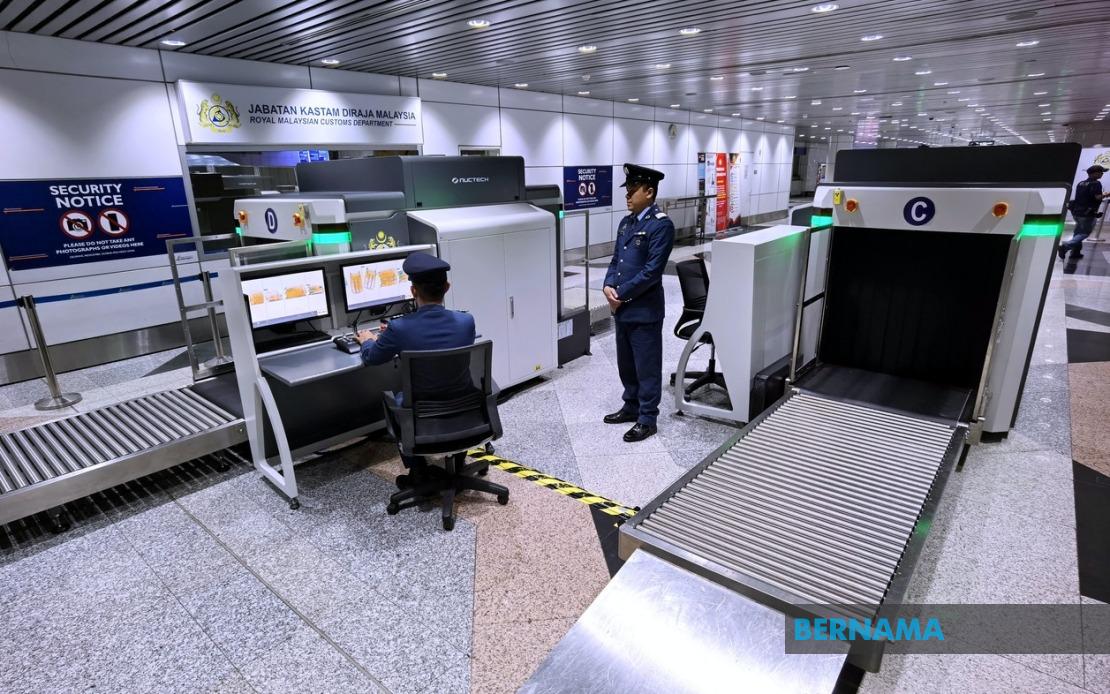
The Royal Malaysia Police (PDRM) and the Royal Malaysia Customs Department bear primary responsibility for intercepting drug shipments and contraband at Malaysian airports, while the Department of Wildlife and National Parks manages wildlife trafficking cases. MAHB's role is to create the security infrastructure and intelligence-sharing frameworks that enable these agencies to operate effectively. The baggage handling systems at Kuala Lumpur International Airport (KLIA) incorporate rigorous screening protocols designed around aviation security priorities, meaning that all checked luggage—whether belonging to passengers or airline crew—undergoes mandatory aviation security screening before departure.
Between January and July this year, KLIA's AVSEC team worked alongside PDRM to intercept more than 30 attempted smuggling operations involving illegal substances. These figures suggest that while significant interdictions occur regularly, the volume also indicates the persistent challenge posed by trafficking networks willing to use employees within regulated industries to move drugs. The fact that a commercial pilot with legitimate access to secure areas and international travel documents would attempt such an operation reflects the calculated risk assessments made by organised crime syndicates willing to exploit trusted positions within aviation.
The Civil Aviation Authority of Malaysia (CAAM) has initiated a separate investigation to determine whether aviation security procedures were properly observed. CAAM Chief Executive Officer Datuk Capt Norazman Mahmud indicated the probe would examine both the airline's compliance with aviation security requirements and KLIA's screening effectiveness. This regulatory review is standard protocol following incidents of this nature and serves to identify procedural gaps or training deficiencies that could be exploited by other trafficking operations.
For Malaysian readers and regional observers, this case exemplifies the evolving sophistication of drug trafficking networks operating across Southeast Asia. Unlike street-level dealers, international syndicates target individuals with legitimate access to secure facilities and international mobility. The arrest in Indonesia of someone potentially linked to multiple smuggling runs suggests organised networks with established supply chains, established recipient networks, and sophisticated operational security—the hallmark of major trafficking organisations.
The pilot's alleged involvement in an international drug trafficking network raises important questions about recruitment and vetting within the aviation industry. How do trafficking syndicates identify and approach aviation employees? What circumstances drive individuals in trusted, well-remunerated positions to risk their careers and freedom? These questions acquire urgency as Malaysia positions itself as a regional aviation hub and seeks to maintain the confidence of international carriers and passengers in the security of its airports.
Regionally, Malaysia's approach to addressing this incident through multi-agency coordination reflects best practices increasingly adopted across Southeast Asia. Countries including Thailand, Singapore, and Indonesia face similar vulnerabilities and have similarly developed frameworks integrating airport security, customs enforcement, police investigations, and regulatory oversight. The willingness of MAHB to provide assistance and maintain operational cooperation with enforcement authorities demonstrates that airport operators recognise their institutional stake in preventing their facilities from becoming transit points for contraband.
The case also highlights the importance of international cooperation in disrupting trafficking networks. The arrest occurred in Indonesia, suggesting that collaborative intelligence sharing and operational coordination between Malaysian and Indonesian authorities functioned as intended. Such cross-border cooperation remains essential given the regional nature of trafficking operations and the relatively short distances separating major airports across Southeast Asia.
Moving forward, MAHB's commitment to supporting enforcement efforts will likely manifest in enhanced information sharing, potential upgrades to screening technologies, and closer integration of airport security operations with police and customs activities. The operator's public reaffirmation of these commitments also serves to reassure the travelling public and the aviation industry that Malaysia takes security seriously—a critical consideration for maintaining passenger confidence and attracting international carriers to major Malaysian hubs.
The broader significance of this incident extends beyond the immediate case. It underscores the reality that even robust security systems cannot eliminate all vulnerabilities when insiders are compromised. The solution lies not in perfecting screening alone but in creating operational cultures where suspicious activities trigger investigation, where information flows freely between agencies, and where enforcement consequences for smuggling are severe enough to deter even those in privileged positions. Malaysia's coordinated response suggests it understands these principles.

