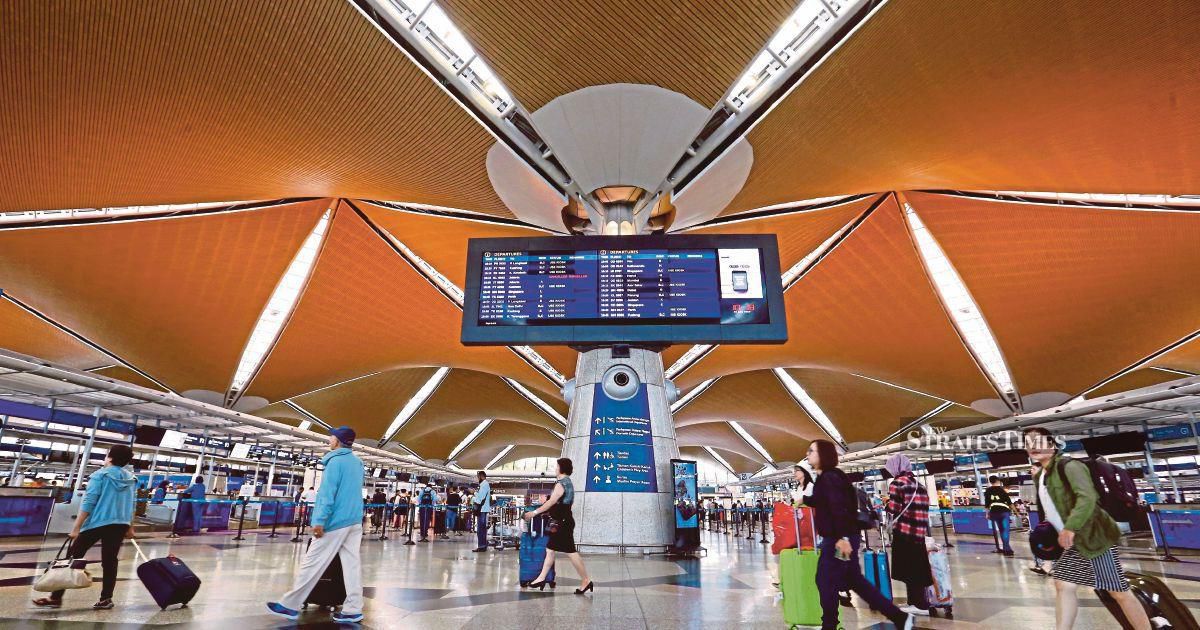
Malaysia Airports Holdings Bhd (MAHB) has disclosed that a technical malfunction temporarily compromised the baggage handling system serving Kuala Lumpur International Airport's Terminal 1 on Thursday. The disruption, which rippled through one of Southeast Asia's busiest aviation hubs, has since been fully rectified, with the airport operator confirming that services were restored by 5.30pm local time.
The baggage handling infrastructure at Terminal 1 represents a critical operational component of KLIA, processing thousands of passenger bags daily across numerous international and domestic flights. When such systems encounter technical difficulties, the consequences can cascade across the airport's scheduling, potentially affecting departure and arrival sequences whilst creating bottlenecks in passenger processing. The swift acknowledgment by MAHB suggests the operator was monitoring the situation closely and working toward rapid resolution.
Terminal 1 serves as a major facility within KLIA's dual-terminal structure, handling a significant portion of the airport's passenger volume. For Malaysian travellers and international visitors, baggage handling consistency is paramount, as delays in this area directly translate to extended airport dwell times and heightened passenger anxiety. The system's automation and efficiency directly influence overall airport productivity and customer satisfaction metrics.
MAHB's public confirmation of the incident demonstrates transparency in communications during operational challenges. Such acknowledgments are increasingly important in an era where airport disruptions quickly become visible across social media platforms, with passengers and airlines rapidly sharing experiences. By promptly confirming the issue and its resolution timeline, MAHB sought to manage information flow and prevent speculation that could amplify reputational concerns.
The technical nature of the glitch remains undisclosed in official statements, though baggage systems typically involve conveyor networks, scanning equipment, and digital sortation mechanisms. These complex integrated systems require seamless coordination between hardware and software components, making them vulnerable to various failure points ranging from power surges to software conflicts. Modern airports depend on redundancy protocols and backup systems, though activating these contingencies requires both preparation and coordination.
The evening resolution timeframe indicates MAHB's technical teams likely identified and addressed the root cause during afternoon hours, permitting operations to normalise before the typical evening peak period. This timing minimises disruption to the most heavily utilised flight windows, though morning and early afternoon departures would have already experienced delays. Airlines operating from Terminal 1 would have needed to communicate revised baggage claim times and potential flight delays to affected passengers.
For regional context, baggage system reliability at major Southeast Asian aviation gateways remains a competitive factor as airports vie for traffic and airline partnerships. Incidents such as Thursday's disruption, whilst typically brief, contribute to perceptions regarding operational excellence and infrastructure investment. KLIA continues modernising its systems to maintain competitiveness alongside regional counterparts in Singapore, Bangkok, and elsewhere across the region.
The incident underscores the critical dependency modern airports maintain on sophisticated automation infrastructure. Unlike traditional operations where baggage handlers managed flows directly, contemporary systems integrate artificial intelligence, real-time tracking, and automated sorting that dramatically increase efficiency but introduce technological vulnerability. A single software failure or hardware malfunction can halt the entire downstream process, affecting hundreds of flights and thousands of passengers within hours.
MAHB's response timing and communication approach will likely be scrutinised by industry observers and airline partners. Effective incident management in airport operations requires not merely technical resolution but also transparent stakeholder communication, passenger coordination, and documented analysis of root causes to prevent recurrence. Airlines relying on KLIA Terminal 1 will presumably request detailed incident reports to assess whether additional contingencies should be implemented.
The resolution of Thursday's disruption allows normal operations to resume, though the incident serves as a reminder of infrastructure vulnerabilities in even well-developed airport systems. As Malaysia positions itself as a premier Southeast Asian aviation hub, sustained investment in system reliability, staff training, and maintenance protocols remains essential. Future enhancements to baggage handling infrastructure, whether through modernisation upgrades or redundancy improvements, will likely feature in MAHB's strategic planning discussions.

