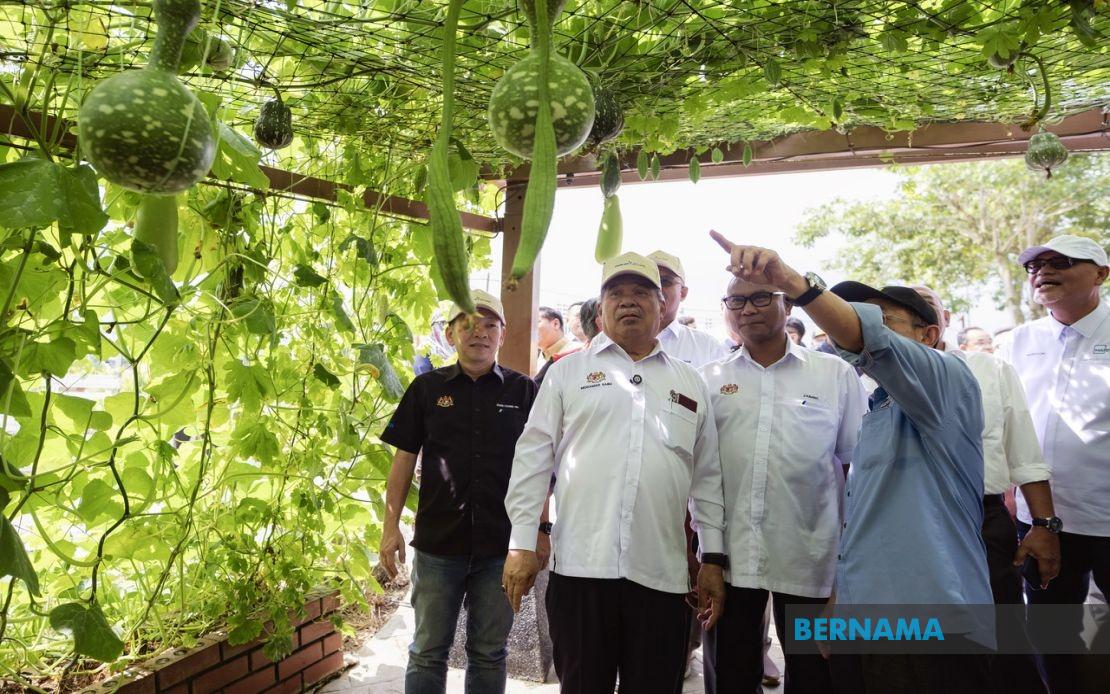
The Malaysia Agriculture, Horticulture and Agrotourism Exhibition (MAHA) 2026 is racing toward its August 28 opening with preparations approximately 80 per cent complete, Agriculture and Food Security Minister Datuk Seri Mohamad Sabu confirmed on Tuesday. Speaking at the Malaysia Agro Exposition Park Serdang (MAEPS) following a site inspection, he indicated that the venue will be fully ready for public access by August 27, one day before the exhibition gates open.
The scale of preparation required for this biennial showcase is substantial. Major structural work at MAEPS has already concluded, with teams now focused on finer details—arranging exhibition spaces, installing equipment, and positioning displays across the sprawling venue. Mohamad expressed confidence that visitors attending the opening day on August 28 will encounter a polished, impressive exhibition environment that reflects months of coordination among organisers and exhibitors.
The 10-day event, running through September 6, carries particular strategic significance for Malaysia's agricultural sector. This year's theme, 'Penciptaan Nilai Demi Keterjaminan Makanan'—roughly translating to 'Value Creation for Food Security'—signals government priorities in an era of supply chain vulnerabilities and rising food costs. By showcasing how technology and innovation can modernise farming practices, the exhibition aims to position Malaysian agriculture as technologically sophisticated and resilient.
A central focus will be the deployment of cutting-edge machinery and automation throughout the sector. Exhibitors will demonstrate modern agricultural equipment, autonomous vehicles, and increasingly popular drone applications in cultivation of paddy, pineapple, and melon crops. These technologies mirror practices already widespread in advanced agricultural nations such as China and the Netherlands, where precision farming and automation have become standard. For Malaysian farmers and agribusiness professionals, the exhibition provides an opportunity to assess how international best practices might be adapted to local conditions.
Beyond equipment displays, Mohamad emphasised the exhibition's role in promoting agricultural value-chain integration. Raw commodity production alone generates limited returns for smallholder farmers. By encouraging participation in downstream processing and product development, the government hopes to unlock higher-margin opportunities. Milk, pineapple, and cassava exemplify this potential—basic crops that can be transformed into dozens of refined products. Local entrepreneurs, particularly those seeking entry into agribusiness, will encounter practical pathways into processing, branding, and retail activities that add substantial value compared to bulk sales of unprocessed goods.
The exhibition also balances commercial and cultural dimensions. Perkampungan Abang Mat, a dedicated village space within the venue, will showcase traditional food heritage, communal cooking practices known locally as 'rewang', and indigenous games. Daily programming will rotate attractions to maintain visitor interest across the 10-day period, with special attention to activities appealing to families and senior citizens. Traditional pastimes such as congkak will provide relaxation amid the broader modernisation narrative, offering a cultural counterweight to the technology-focused messaging.
Incentives for attendance extend well beyond cultural experiences. Daily lucky draws will distribute motorcycles—20 in total across the event—alongside electrical appliances as secondary prizes. This approach targets broad demographic appeal, particularly younger attendees who the ministry hopes to engage with agricultural innovation. In fact, approximately 800,000 youths are expected to participate through dedicated programmes emphasising automation and technological modernisation, representing a significant outreach effort to shape future attitudes toward farming as a viable, sophisticated career path.
Projected attendance exceeds four million visitors, reflecting MAHA's status as a major national event. This scale demonstrates the exhibition's importance beyond agricultural circles—it functions as a cultural touchstone and family destination within Malaysia's event calendar. The ministry is pursuing educational partnerships with the Education Ministry to incorporate school groups through co-curricular programmes, further embedding agricultural literacy within formal learning structures.
International participation adds considerable weight to the 2026 edition. Approximately 2,000 exhibitors are expected, with representation from 14 countries participating in overseas pavilions. Kenya's inaugural participation signals expanding African engagement, while established agricultural exporters will showcase their technologies and explore bilateral cooperation opportunities with Malaysian enterprises. This international dimension transforms MAHA from a domestic showcase into a platform for regional and global agricultural dialogue, creating networking opportunities for Malaysian stakeholders seeking partnerships or technology transfer arrangements.
With Prime Minister Datuk Seri Anwar Ibrahim scheduled to preside over the closing ceremony on September 6, the exhibition carries visible political endorsement at the highest level. The timing also follows broader government initiatives to strengthen food security, particularly relevant for Malaysia given heavy reliance on agricultural imports and supply-chain disruptions in recent years. By demonstrating tangible progress toward agricultural modernisation, MAHA 2026 serves governmental narrative objectives around economic development and self-sufficiency.
For Malaysian farmers, entrepreneurs, and agricultural professionals, the exhibition presents multiple layers of value. Industry participants can evaluate emerging technologies, connect with regional counterparts, and assess market trends. Educational value extends to families and youth, positioning agriculture as innovation-driven rather than traditional or low-status. Exhibitors from abroad gain exposure to Southeast Asian markets while Malaysian companies access international expertise and partnerships that might accelerate sector transformation.

