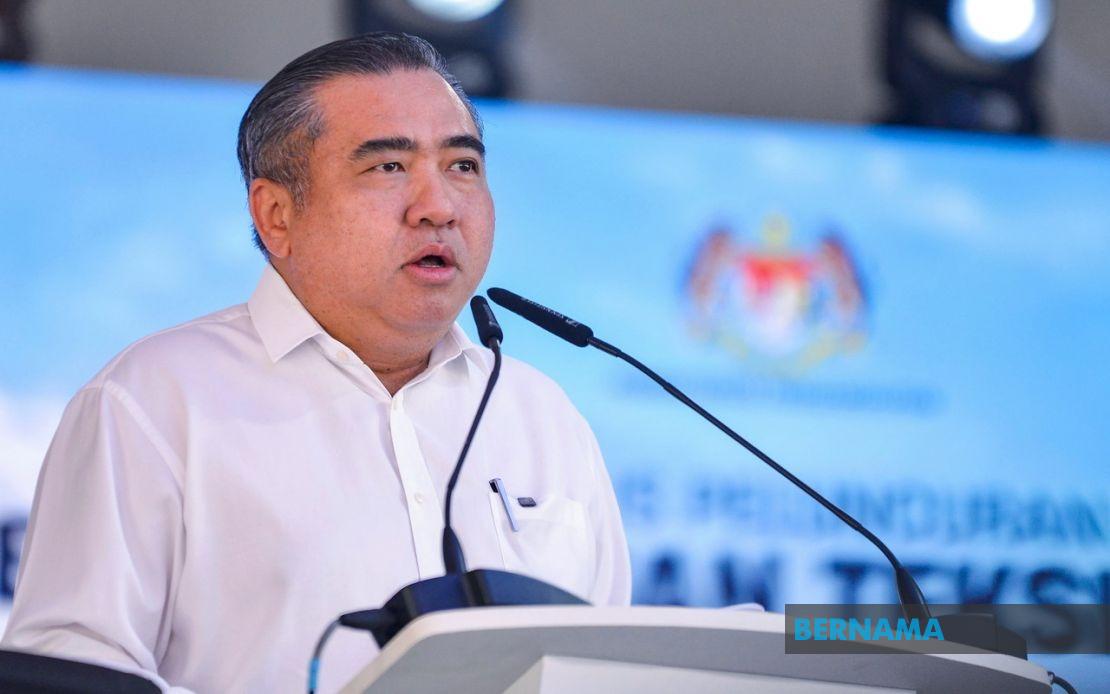
Malaysia's transportation sector is undergoing a significant structural transformation with the launch of the National MADANI Taxi Reform Programme, which replaces the entrenched leasing model that has governed the industry for decades with a framework allowing drivers to own their vehicles outright. Transport Minister Anthony Loke unveiled the initiative at a ceremony at Dataran Merdeka, with Prime Minister Datuk Seri Anwar Ibrahim presiding alongside Federal Territories Minister Hannah Yeoh and Kuala Lumpur mayor Datuk Seri Fadlun Mak Ujud. The shift represents a major departure from historical practice, positioning drivers as legitimate proprietors rather than perpetual renters dependent on fleet operators.
Central to the reform is a novel financing arrangement that has received special clearance from the Ministry of Finance. Rather than following the conventional leasing structure where drivers paid recurring charges to vehicle owners while holding no equity stake, the new system enables drivers to secure financing through financial institutions while retaining full legal ownership rights. This distinction carries profound implications for driver economics, as ownership provides paths toward wealth accumulation and financial security that traditional leasing arrangements systematically precluded. Loke emphasized that this mechanism represents a clean break from previous schemes, stressing that "the driver is the legal owner of the vehicle, even if it is financed through a financial institution."
The programme establishes the Proton S70 sedan as the standardized taxi model across participating fleets, a selection grounded in pragmatic considerations spanning safety, operational efficiency, and passenger experience. The vehicle's engineering credentials—including safety systems, interior comfort provisions, and fuel economy specifications—address longstanding industry challenges. Beyond mechanical specifications, the new taxis present a modernized aesthetic, dispensing with the traditional roof-mounted taxi topper that has characterized Malaysian taxis for generations. This visual refresh aligns with regional urban modernization trends and signals a departure from dated transportation imagery.
Registration protocols under the programme introduce a distinctive identifier system, with vehicles carrying registration plates prefixed with the letters "GET"—a deliberate branding choice that simplifies administrative tracking and conveys the programme's contemporary positioning. This registration distinction serves multiple functions: it enables targeted policy monitoring, supports data collection for industry analysis, and creates a visible marker of programme participation that distinguishes reformed taxis from legacy vehicles still operating under older frameworks.
Recognizing that ownership transition alone may inadequately address driver income pressures, the reform incorporates supplementary revenue mechanisms. Digital advertising screens installed within taxi cabins provide an alternative income stream, tapping into the substantial captive audience that taxi passengers represent. This monetization approach has gained traction in progressive cities globally and reflects a pragmatic acknowledgment that traditional fare structures require enhancement through diversified income sources. The ministry's collaboration with private sector partners on implementing these advertising systems indicates coordination between government transport authorities and commercial interests.
The programme's integration with digital booking ecosystems addresses a critical competitive challenge facing traditional taxis. E-hailing platforms fundamentally disrupted taxi markets across Southeast Asia, including Malaysia, by offering technological convenience and perceived reliability advantages. By incorporating digital booking functionality into the reformed taxi fleet, the programme positions traditional taxis as competitive alternatives rather than obsolete modes. This technological integration enables drivers to capture ride requests through apps while maintaining the regulatory oversight and safety standards that distinguish licensed taxis from unregulated alternatives.
For Malaysian readers and the broader Southeast Asian context, this reform carries significant implications. The shift from leasing to ownership directly addresses a historical inequity where drivers bore operational risks and revenue volatility while lacking asset ownership benefits. This structure has constrained driver financial security and contributed to occupational instability. The new framework potentially attracts younger, more entrepreneurially-minded individuals to taxi driving by offering wealth-building prospects rather than perpetual employment under exploitative terms. Such structural improvement could enhance service quality as owner-operators develop stronger personal investment in vehicle maintenance and customer relations.
The reform also reflects evolving government intervention philosophy within Malaysia's economic policy. Rather than imposing rigid regulations, the MADANI programme leverages market mechanisms—ownership incentives, technological integration, diversified income sources—to achieve policy objectives of modernization and occupational improvement. This approach suggests confidence that competitive pressures and economic self-interest will drive service enhancements more effectively than regulatory mandates alone.
The timing of this initiative during the administration of Prime Minister Anwar Ibrahim signals commitment to labor-oriented economic policies that emerged during campaigning. The MADANI framework, with its emphasis on restructuring ownership rights in favor of working drivers, embodies this priority operationally. For a region watching Malaysia's democratic trajectory and economic policy evolution, the programme demonstrates how transportation modernization can intersect with labor protection objectives.
Implementation challenges remain substantial, however. Transitioning thousands of drivers from familiar leasing arrangements to ownership responsibilities requires substantial financial literacy support and transitional assistance. Driver acceptance varies across age and experience cohorts, with established practitioners potentially resistant to unfamiliar ownership obligations. Financial institutions must develop lending products tailored to self-employed driver profiles, addressing income verification and credit risk assessment complexities. Regional taxi associations and fleet operators whose business models relied on leasing arrangements will require management strategies to facilitate industry restructuring without generating destabilizing opposition.
The Proton S70 selection, while supporting domestic automotive manufacturers, concentrates the programme around a single vehicle platform. While this standardization simplifies maintenance logistics and spare parts availability, it reduces driver choice and potential vehicle differentiation that might enhance competitive positioning. Future programme phases may need to evaluate whether maintaining platform exclusivity justifies limitations on fleet diversity.

