Malaysia's MADANI Government is doubling down on its Ziarah Kasih initiative, a targeted assistance programme designed to provide direct relief to the nation's most vulnerable populations. The commitment reflects the administration's broader focus on grassroots engagement and tangible support for those struggling with poverty, illness, and caregiving burdens. Rather than relying solely on bureaucratic welfare systems, the initiative emphasises personal contact between government officials and beneficiaries, creating opportunities for hands-on assessment of community needs.
The programme operates through a careful identification process involving the Department of Information and Komuniti MADANI, ensuring that aid reaches families genuinely facing hardship rather than being distributed indiscriminately. This targeted approach aims to maximise the impact of government resources while building direct relationships between state representatives and the people they serve. By visiting communities in person, officials gain firsthand understanding of the challenges faced by ordinary Malaysians, information that feeds back into policy-making and resource allocation decisions.
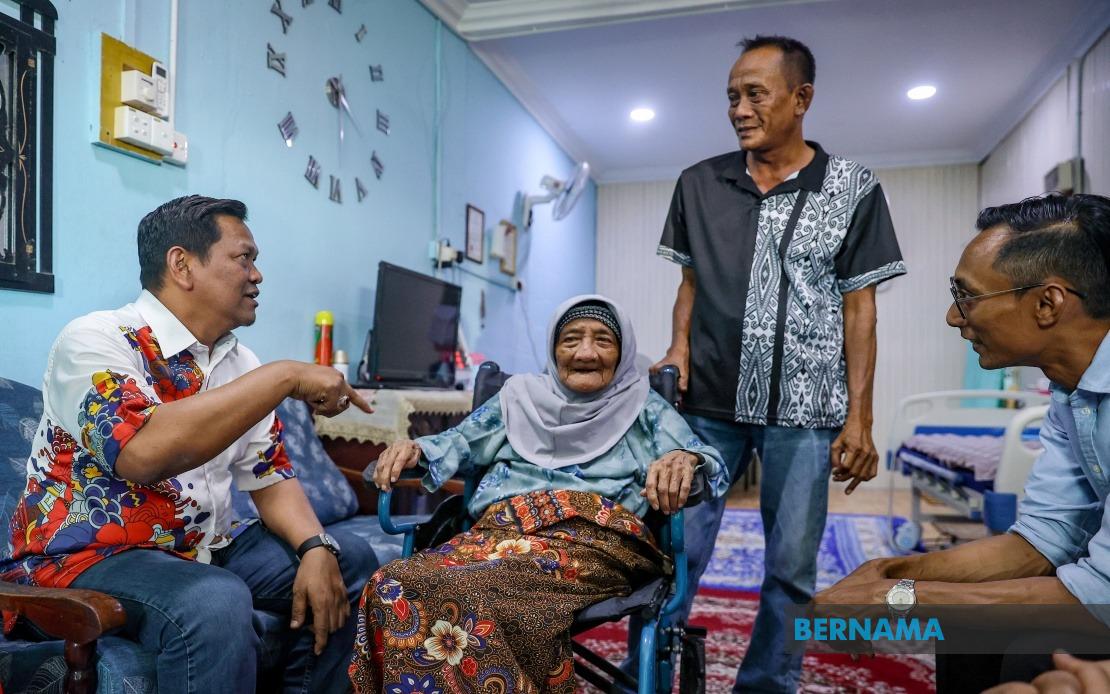
A recent visit to Mersing in Johor exemplifies how the scheme functions in practice. Abdullah Izhar Mohamed Yusof, political secretary to the Communications Minister, participated in the Jiwa@Komuniti MADANI Sembang Santai World Cup Edition programme, during which the government presented assistance packages and healthcare equipment to elderly residents. The visit was not ceremonial theatre but rather a practical engagement focused on understanding and alleviating real suffering in the community.
One beneficiary whose situation illustrates the programme's importance is Hamdan Abd Latif, a 71-year-old man now bedridden following years of accumulated health complications. His journey reflects the cascading challenges that can overwhelm families without external support. In 2011, just weeks before his scheduled retirement as a firefighter, Hamdan suffered a fall while fishing. Medical investigation subsequently revealed a brain tumour, leading to surgery. Although he recovered from the tumour, his overall health deteriorated progressively, culminating in a stroke triggered by a bathroom fall the previous year.
Hamdan's wife Meriam Abd Wahab, now 66, has become his full-time caregiver, a role that has fundamentally altered their family's economic circumstances. She previously supplemented household income through sewing work, but that opportunity ended when she became the primary caregiver for her husband. The assistance provided through Ziarah Kasih addresses not only Hamdan's medical needs but also acknowledges the economic sacrifice Meriam has made. Without such support, families in this situation often face a painful choice between adequate care for the sick or disabled family member and basic household financial stability.
The programme similarly supported Zainon Ibrahim, a 91-year-old woman cared for by her son Jamaluddin Ismail, now 64. Jamaluddin, a former supervisor, made the difficult decision to leave employment two years ago to become his mother's primary caregiver, relying on support from his siblings to sustain the family. This situation reflects a broader demographic challenge across Malaysia and the region: an ageing population combined with changing family structures and insufficient institutional care infrastructure. Adult children caring for elderly parents often find themselves economically vulnerable, caught between filial duty and financial necessity.
The impact of such assistance extends beyond monetary relief. For families like these, government recognition and material support validate the choices they have made and ease the psychological burden of financial stress. Jamaluddin's relief at receiving help was palpable—the aid helps meet daily needs that might otherwise strain family relationships or force difficult compromises on healthcare and nutrition. For Meriam, the support acknowledges the hidden cost of caregiving, a form of labour that remains largely invisible in economic statistics yet is essential to family survival.
Ziarah Kasih represents a policy approach increasingly recognised as necessary across Southeast Asia. Rather than centralised welfare bureaucracies that require beneficiaries to navigate complex application processes, direct assistance programmes with personal contact can identify those most in need while building social cohesion. The programme aligns with the Malaysia MADANI aspiration, which prioritises people-centric governance and recognises that prosperity must be inclusive, reaching those left behind by economic growth.
The strategic importance of such programmes lies partly in their visibility and partly in their substance. Older voters and those with family members receiving assistance form a politically important constituency, but equally significant is the genuine relief such programmes bring to vulnerable households. In Mersing and similar communities across the nation, the combination of healthcare equipment provision and direct financial assistance addresses immediate needs while demonstrating that government remains attentive to those facing health crises and caregiving burdens.
Looking forward, the sustainability of Ziarah Kasih depends on consistent funding and careful identification of beneficiaries. The programme's reliance on the Department of Information and Komuniti MADANI suggests an effort to decentralise the identification process, empowering local officials and community organisers to understand neighbourhood conditions. This grassroots approach can generate more accurate need assessments than distant bureaucratic evaluations, though it requires training and accountability mechanisms to prevent misuse or favouritism.
The real test of the programme lies not in its launch or periodic showcases but in sustained implementation across diverse communities. Whether Ziarah Kasih can maintain momentum as a regular, reliable support mechanism rather than episodic media events will determine its effectiveness. For families like Hamdan and Meriam's, or Jamaluddin's, the promise of continuing assistance represents the difference between managing their circumstances and falling into crisis.
As Malaysia confronts demographic ageing and ongoing economic inequality, programmes addressing the intersection of health challenges and caregiving burdens become increasingly vital. Ziarah Kasih, by focusing on vulnerable elderly and disabled individuals while acknowledging the sacrifices of their caregivers, tackles a challenge that affects families across income levels. The government's stated commitment to continue the initiative regularly suggests recognition that such support cannot be sporadic if it is to genuinely strengthen the social fabric and ensure that those facing greatest hardship know the state remains committed to their well-being.