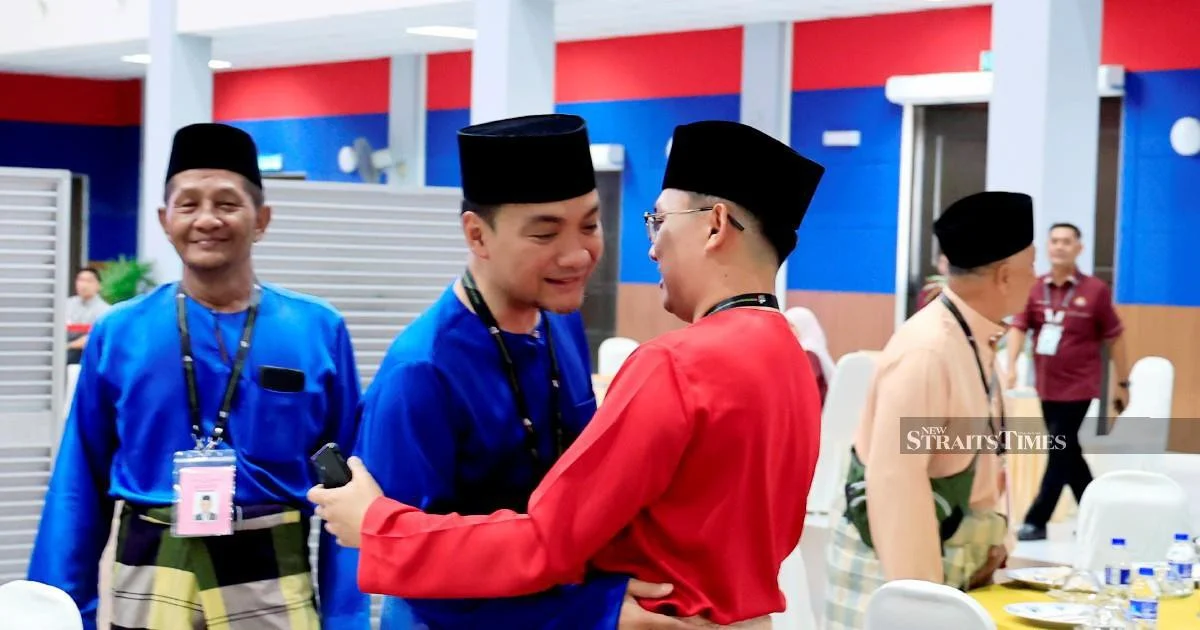
The constituency of Machap in Johor will witness a direct showdown between Barisan Nasional and Pakatan Harapan in the state election, as both coalitions have officially finalised their selection of candidates for this closely watched seat. Datuk Onn Hafiz Ghazi, currently serving as caretaker Menteri Besar, will represent the BN coalition in his effort to retain his parliamentary position, while the opposition faction will field Nur Hafiz as their challenger.
The confirmation of a straight contest in Machap represents a significant moment in Johor's electoral landscape, where both major political blocs have opted for a direct confrontation rather than allowing third forces to fragment the vote. This binary contest structure reflects the consolidation of political power that has emerged across Malaysia following the 2022 general elections, where the traditional two-coalition framework reasserted itself as the dominant framework for electoral competition.
Onn Hafiz's position as caretaker Menteri Besar underscores the stakes involved in Machap, as the seat carries considerable symbolic importance beyond its individual parliamentary value. The retention of this seat would signal continued confidence in the BN-led administration within Johor, one of the nation's most electorally significant states. Conversely, a loss would represent a notable setback for the coalition and potentially presage broader difficulties in maintaining control of the state government.
The choice of Nur Hafiz as PH's standard-bearer indicates the opposition coalition's strategic approach to contesting in Machap. By nominating a challenger to face the sitting caretaker, PH has signalled its intention to contest aggressively in this particular battleground rather than ceding ground to the ruling coalition. This decision reflects PH's broader strategy of mounting comprehensive challenges across all state seats rather than accepting predetermined outcomes.
Straight contests such as the one now confirmed in Machap typically generate higher intensity campaigns compared to multi-cornered affairs, as both camps concentrate their resources on a single opponent. The absence of third-party candidates means that every vote cast carries greater consequential weight, and swing voters face a more straightforward binary choice without the possibility of splitting support among multiple alternatives.
Johor's state elections assume national significance as one of Malaysia's largest and most influential states, both economically and politically. The results will offer early indicators of public sentiment ahead of potential federal elections, and shifts in Johor's political composition can have ripple effects throughout the peninsula. A strong performance by either coalition in Johor would generate momentum and talking points for subsequent electoral contests.
The electoral dynamics in Machap will be shaped by several broader factors beyond local constituency issues. Voter sentiment regarding the national government's economic management, inflation pressures, and public service delivery will likely influence outcomes. Similarly, the popularity of key leaders and their perceived ability to address concerns about cost of living will filter down to influence individual seat contests.
For the BN coalition, retaining Machap would be crucial to maintaining its overall position in Johor state government. Each seat loss chips away at the coalition's majority and complicates governance at the state level. Conversely, capturing additional seats would strengthen BN's position and provide a clearer mandate for implementing its policy agenda throughout the state.
The straight contest format also ensures maximum media attention on this particular seat, elevating its profile within the broader narrative of Johor's election campaign. Both Onn Hafiz and Nur Hafiz will find themselves subject to intense scrutiny, with their records, capabilities, and vision for the constituency examined thoroughly by voters and commentators alike.
Machap's electoral trajectory will likely be closely studied by political analysts seeking to understand shifting voter preferences and the relative appeal of competing political brands. A clear victory margin in either direction would send interpretable signals about the state's political direction and may influence how other constituencies ultimately vote.
The confirmation of this straight contest in Machap marks the crystallisation of political competition in at least one Johor seat, removing uncertainty about the contestants voters will encounter at the ballot box. With both candidates now formally nominated, the substantive campaign for Machap can proceed with full clarity regarding who will ultimately determine the seat's outcome.

