The Malaysian Anti-Corruption Commission has concluded its extended questioning of a former chief financial officer connected to a statutory body, marking the culmination of an intensive four-day investigative session focused on a high-value corporate transaction now at the centre of an anti-corruption inquiry. The questioning, which drew to a close on Wednesday evening in Putrajaya, centred on allegations that senior executives misused their positions to orchestrate the purchase of stakes in two plantation companies valued around RM370 million—transactions initially scrutinised in the Royal Commission of Inquiry findings on Lembaga Tabung Haji.
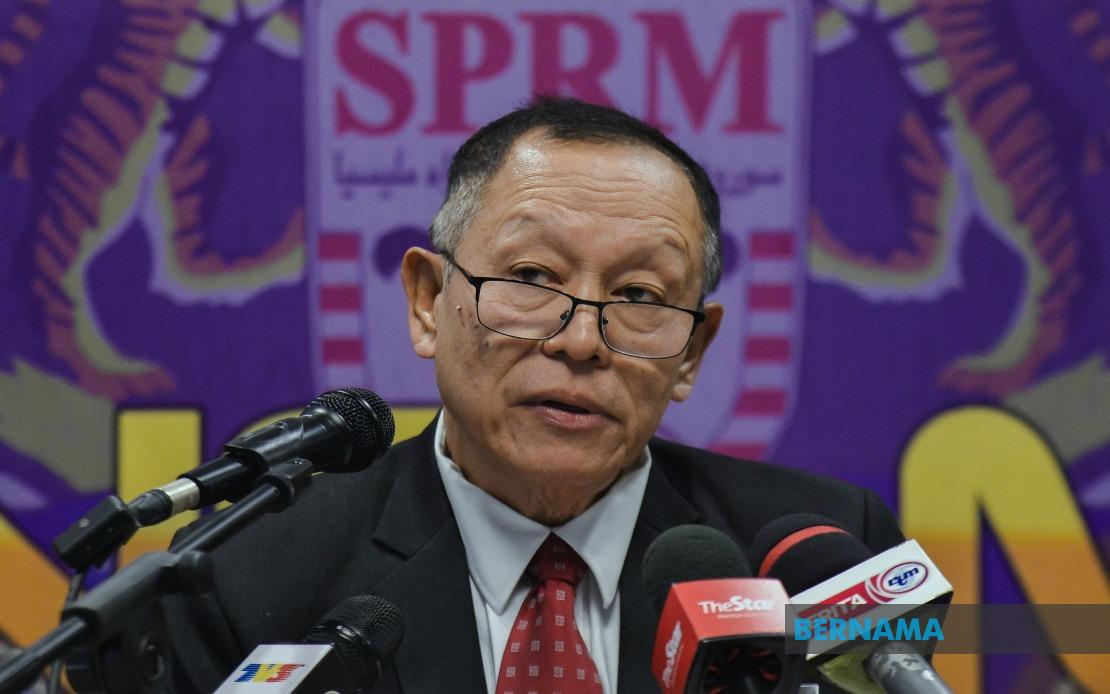
According to MACC chief commissioner Datuk Seri Abd Halim Aman, investigators spent the entire day on Wednesday continuing their examination, beginning at 9 am and extending through to 6:30 pm. The extended duration underscores the complexity and scope of the inquiry, which has been structured to extract detailed testimony regarding how the financial decisions were made, approved, and executed. By completing this final session, the anti-corruption body has gathered what it deems sufficient documentary evidence and verbal testimony to substantiate or refute the allegations of misconduct.
The 60-year-old former executive had voluntarily attended MACC headquarters on Tuesday to provide his account, a decision that set the stage for the multi-day interrogation. Alongside him, the agency also detained the company's former chief executive officer to record parallel statements, allowing investigators to cross-reference accounts and identify discrepancies or corroborating details. Both individuals' cooperation, though framed as voluntary, reflects the serious nature of the investigation and the weight authorities have placed on obtaining first-hand accounts from those intimately involved in the decision-making chain.
The inquiry itself stems from the Royal Commission of Inquiry's report on Lembaga Tabung Haji, which had identified the RM370 million transaction as potentially problematic. The RCI's mandate was to investigate governance failures, financial irregularities, and questionable transactions within the pilgrim fund management body, which holds the savings of Malaysian Muslims preparing for or having completed the Hajj pilgrimage. When the commission flagged the plantation company acquisitions as warranting closer scrutiny, it triggered the MACC's formal investigation into whether abuse of power occurred.
The focus on abuse of power rather than outright theft or embezzlement reflects investigative priorities centred on breach of trust and fiduciary duty. In Malaysia's regulatory framework, abuse of power encompasses situations where individuals in positions of authority make decisions that benefit themselves, connected parties, or the organisation in irregular ways that circumvent proper governance protocols. Establishing such misconduct typically requires evidence of intent, knowledge that actions were improper, and demonstrable harm or risk to the institution.
The two plantation companies in question would have represented substantial assets for a pilgrim savings fund, raising questions about investment strategy and diversification logic. Tabung Haji operates as a quasi-sovereign wealth vehicle managing billions of ringgit in accumulated savings, making decisions about deployment of these funds matters of considerable public interest. When large tranches are invested in plantation-sector holdings—sectors that can carry environmental, commodity price, and reputational risks—the rationale and approval processes become subject to heightened scrutiny.
The MACC's methodical approach to statement-taking reflects institutional practice where investigators conduct extended interviews to establish timeline, motive, opportunity, and access to decision-making authority. A four-day questioning cycle allows investigators to present documentary evidence, test responses against known facts, explore inconsistencies, and build a comprehensive narrative. The fact that this interview concluded after exactly four days suggests predetermined investigative targets were met and sufficient information had been garnered for the next phase.
For Malaysian stakeholders concerned with governance transparency and institutional integrity, the Tabung Haji investigation carries symbolic weight beyond the specific transaction under review. Tabung Haji manages funds held in trust for a significant portion of Malaysia's Muslim population, and any suggestion of mismanagement or self-dealing strikes at public confidence in religious institutional stewardship. The RCI mechanism itself—appointment of a royal commission to investigate—signals gravity and independence from routine administrative channels, elevating public expectations for accountability.
The case also reflects broader regional patterns in combating financial misconduct within government-linked entities. Southeast Asian nations have increasingly deployed anti-corruption agencies with expanded investigative powers, though effectiveness varies. Malaysia's MACC, despite occasional criticism regarding independence and enforcement selectivity, remains one of the region's more active bodies pursuing senior-level financial crimes. The detailed statement-taking approach mirrors international best practice in white-collar investigations, where documentary evidence pairs with witness testimony to construct evidentiary foundations.
Looking ahead, investigators will likely analyse the recorded statements against financial documentation, board minutes, investment committee records, and external auditor reports to determine whether the evidence substantiates charges of abuse of power. The deliberative pace—completing a four-day interview represents substantial investment of investigative resources—suggests the MACC is building a methodical case rather than rushing toward prosecutorial outcomes. Whether this culminates in criminal referral, administrative action, or civil recovery remains contingent on investigative findings in coming weeks.

