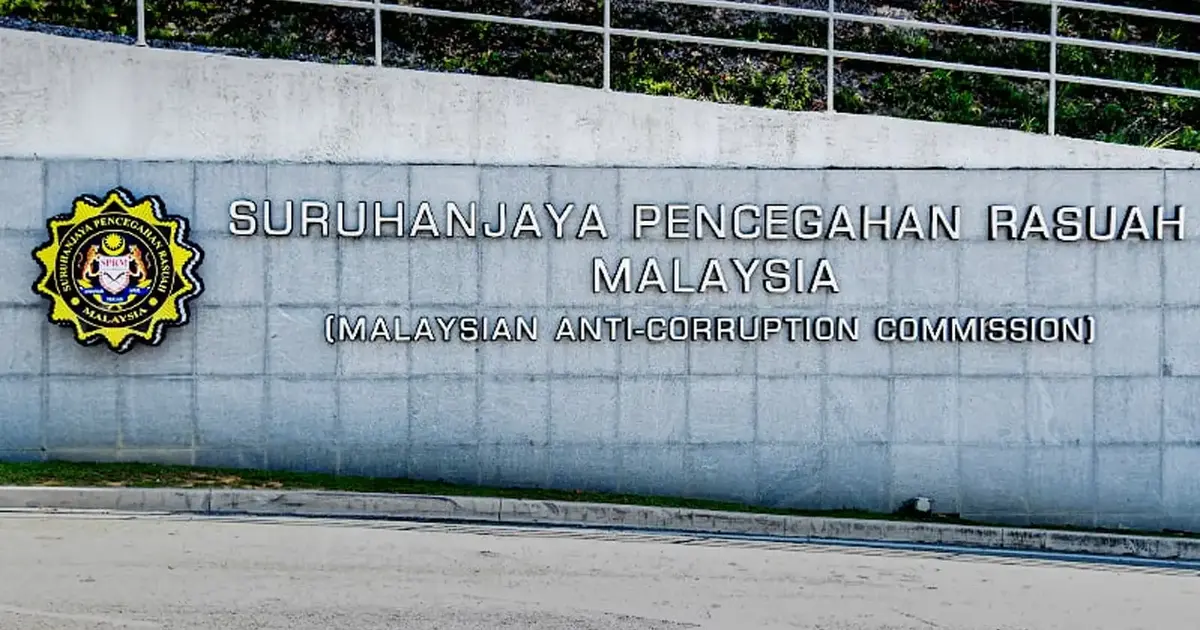
The Malaysian Anti-Corruption Commission (MACC) is set to prosecute 13 company owners following investigations into the Daya Kerjaya 2.0 programme, a government initiative designed to support employment and workforce development. The cases represent a significant enforcement action targeting alleged misconduct within a flagship national programme aimed at job creation and skills enhancement across Malaysia's labour market.
The investigations uncovered multiple irregularities within the scheme's administration and implementation, prompting the anti-corruption watchdog to escalate the matter to the courts. These findings suggest systemic vulnerabilities in how the programme's resources and incentives were distributed and utilised by participating private sector entities. The scope of the enforcement action, involving 13 separate cases, indicates the seriousness with which authorities view the breaches discovered during their examination.
Daya Kerjaya 2.0 represents a crucial component of the government's broader strategy to strengthen Malaysia's employment ecosystem and support economic recovery. The programme typically offers subsidies, training grants, and other incentives to encourage private companies to hire workers, particularly from vulnerable demographics such as school leavers and the long-term unemployed. When such schemes operate with integrity, they can deliver meaningful social and economic benefits by bridging skills gaps and reducing unemployment. However, irregularities in implementation can undermine public confidence in government initiatives and divert resources from their intended beneficiaries.
The MACC's action underscores the importance of maintaining rigorous oversight of public funds channelled through private sector partnerships. Corruption or misappropriation within employment support programmes carries particular gravity, as it directly impacts workers and job-seekers who depend on these initiatives for livelihood opportunities. By bringing prosecutions, authorities signal their commitment to protecting the integrity of such schemes and ensuring that public investment delivers genuine economic and social returns.
For Malaysian businesses, these cases serve as a stark reminder that participation in government-backed programmes comes with mandatory compliance obligations and heightened scrutiny. Companies engaging with state-supported initiatives must maintain meticulous records, transparent reporting practices, and adherence to contractual terms. The prosecution of 13 operators suggests that violations may have included financial irregularities, misreporting of participant numbers, fraudulent claims for subsidies, or failure to meet programme conditions.
The Daya Kerjaya framework has been instrumental in Malaysia's efforts to address unemployment and improve workforce quality following economic disruptions. Previous iterations and the current 2.0 version have attracted participation from thousands of enterprises seeking to expand their workforce while benefiting from government incentives. However, the discovery of irregularities indicates that screening mechanisms and ongoing monitoring mechanisms may require strengthening to prevent future breaches and ensure the programme achieves its intended objectives.
From a regional perspective, Malaysia's approach reflects broader Southeast Asian efforts to balance public-private collaboration in employment creation with rigorous anti-corruption enforcement. As economies across the region increasingly rely on government-sponsored workforce development schemes, the mechanisms for oversight and accountability become increasingly critical. The MACC's prosecutorial action demonstrates that Malaysia maintains institutional capacity to pursue white-collar offences within these partnerships, potentially serving as a precedent for regional best practices in programme governance.
The timing of these prosecutions may also reflect cyclical government reviews of Daya Kerjaya 2.0's effectiveness and implementation quality. As the scheme matures, authorities typically reassess programme delivery, identify areas of leakage or abuse, and pursue enforcement action against non-compliant participants. This approach allows governments to refine programme design, strengthen eligibility criteria, and enhance monitoring systems before subsequently rolling out revised versions or expanded iterations.
Business stakeholders and industry observers will likely scrutinise the details of these cases to understand what specific violations triggered prosecution. Were companies falsifying participant records to claim subsidies? Did they fail to provide promised training or employment conditions? Understanding the nature of breaches helps other employers calibrate their compliance efforts and signals to the market what standards the MACC and government agencies expect from programme participants. Transparent prosecution outcomes contribute to programme credibility and help distinguish between schemes characterised by genuine private sector commitment and those exploited for opportunistic gain.
Looking ahead, these prosecutions should prompt a broader review of how government employment incentive schemes are administered nationwide. Strengthened verification systems, third-party audits, and real-time monitoring technologies could reduce irregularities and increase public confidence in such initiatives. For workers and job-seekers relying on Daya Kerjaya 2.0 and similar programmes, effective enforcement against non-compliant employers protects the integrity of pathways to employment and ensures that government support translates into genuine job opportunities rather than subsidised corporate benefit.
The cases also carry implications for how Malaysia positions itself as an economy committed to the rule of law and transparent governance. International investors and development partners increasingly assess countries not merely on the existence of anti-corruption institutions but on their willingness to pursue cases involving government programmes and connected business interests. By prosecuting private company owners implicated in scheme irregularities, Malaysia demonstrates institutional independence and commitment to accountability regardless of the power or prominence of violating entities.
As the court proceedings unfold, they will likely generate significant discussion within business, government, and civil society circles regarding programme design, enforcement priorities, and the balance between encouraging private sector participation and maintaining robust compliance standards. The outcomes may inform revisions to Daya Kerjaya 2.0 and other similar initiatives, potentially establishing stronger safeguards and clearer accountability frameworks for future iterations.

