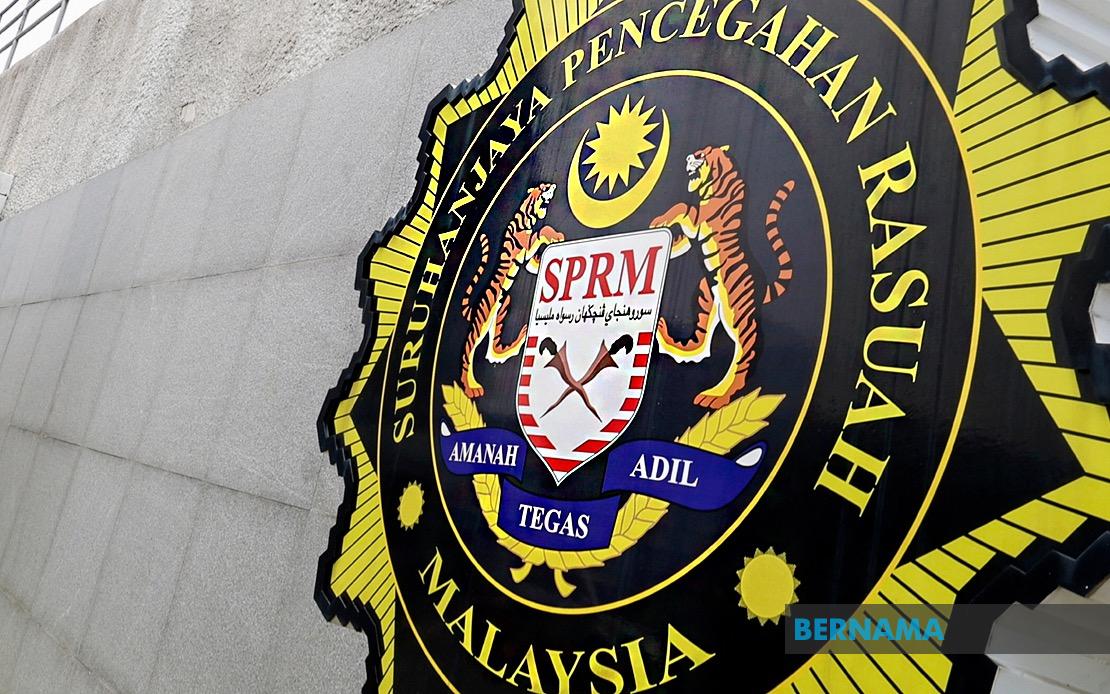
The Malaysian Anti-Corruption Commission (MACC) is ramping up its oversight capacity ahead of the Johor state election by deploying five dedicated operations rooms throughout the state to intercept potential corruption and abuse of power. Running continuously from nomination day on June 27 through polling day on July 11, these centres represent a significant commitment by the anti-graft agency to maintain electoral integrity during what is shaping up to be a closely watched political contest in Malaysia's southernmost peninsula.
The geographical spread of these facilities underscores MACC's intention to make complaint channels accessible across Johor's dispersed population. Beyond the main operations room at the MACC Johor headquarters in Tampoi, the commission is establishing branch offices in Batu Pahat, Kluang, Segamat, and Mersing. This decentralised approach recognises that voters and party activists scattered across the state's various districts and rural areas may face practical barriers to reporting misconduct if forced to travel to a single centralised location. The choice of these five hubs suggests MACC has strategically positioned itself to capture complaints from the state's key population centres and regional divisions.
Beyond physical walk-in facilities, MACC is leveraging digital channels to streamline the complaint process. Members of the public can lodge corruption allegations and reports of abuse of power through an dedicated email address: [email protected]. This hybrid approach—combining face-to-face accessibility with online convenience—reflects modern best practices in public accountability mechanisms. For rural voters without easy office access or those uncomfortable visiting government facilities in person, the email option provides an alternative avenue that reduces friction in the reporting process.
The 24-hour operational schedule reflects the round-the-clock nature of electoral campaigns. Political rallies, candidate visits, and canvassing activities often extend into evenings and weekends, and irregularities may occur at any time. By maintaining continuous operations, MACC signals that it takes electoral misconduct seriously regardless of when it happens and is prepared to receive reports at all hours. This also sends a deterrent message to candidates and party operatives that illicit activity risks detection and investigation even outside normal business hours.
MACC's public statement includes a clear warning to candidates and contesting political parties about the legal boundaries they must observe. The commission explicitly reminded all contestants not to violate provisions under the MACC Act 2009 and the Election Offences Act 1954 (Amendment 2012). This pre-election messaging serves a dual purpose: it establishes transparent rules of engagement and demonstrates that the regulatory framework will be enforced impartially. In Malaysia's competitive political environment, such clarity helps level the playing field by establishing that all participants face equivalent legal consequences for misconduct.
The assurance that every complaint will be investigated with professionalism and transparency reflects MACC's stated commitment to due process. In electoral contexts where public trust in institutions is paramount, the agency's explicit pledge to handle information according to applicable laws matters. Malaysian voters and international observers scrutinising the conduct of Johor polls will be watching whether MACC's investigation outcomes appear even-handed or whether the agency's actions are perceived as politically motivated. The transparency pledge is partly defensive—it preemptively counters potential accusations of bias.
The timing of this announcement reflects the Election Commission's official timeline for the Johor contest. With nomination day set for June 27, early voting on July 7, and the main polling date on July 11, the four-week campaign window provides ample opportunity for electoral irregularities to occur. This period typically sees the most intense political activity, including mass gatherings, spending on campaign materials, and ground-level voter engagement—all areas where corruption risks cluster. MACC's decision to activate its operations rooms precisely at nomination day's start ensures no phase of the campaign proceeds without dedicated oversight.
From a Malaysian governance perspective, this institutional response demonstrates how anti-corruption bodies can adapt their capacity during critical electoral moments. State elections carry significant implications for local development priorities, resource allocation, and political direction. Ensuring these contests occur free from graft and abuse of power safeguards both democratic legitimacy and public resources. The Johor election, contested in Malaysia's most economically developed state after Selangor, has particular weight given the state's role in the national economy and its historical political importance.
The establishment of these operations rooms also reflects a broader Southeast Asian trend towards strengthening electoral safeguards. Across the region, anti-corruption agencies and election commissions have recognised that preventive and monitoring measures—deployed transparently and equitably—enhance public confidence in electoral outcomes. For Malaysian readers following the Johor campaign, MACC's visible mobilisation serves as evidence that institutional checks remain operative, even as cynicism about political integrity persists in public discourse.
Candidates and parties contesting the Johor election now operate under clear notice that their conduct is subject to continuous monitoring and that complaints mechanisms are readily available. This environment of watchfulness, whether it produces substantial corruption findings or not, shapes how political actors behave during campaigns. The psychological effect of believing oversight is active and credible often proves as influential as actual enforcement actions. For voters, the presence of these operations rooms offers at least a formal channel through which they can register concerns about irregularities they witness or suspect.

