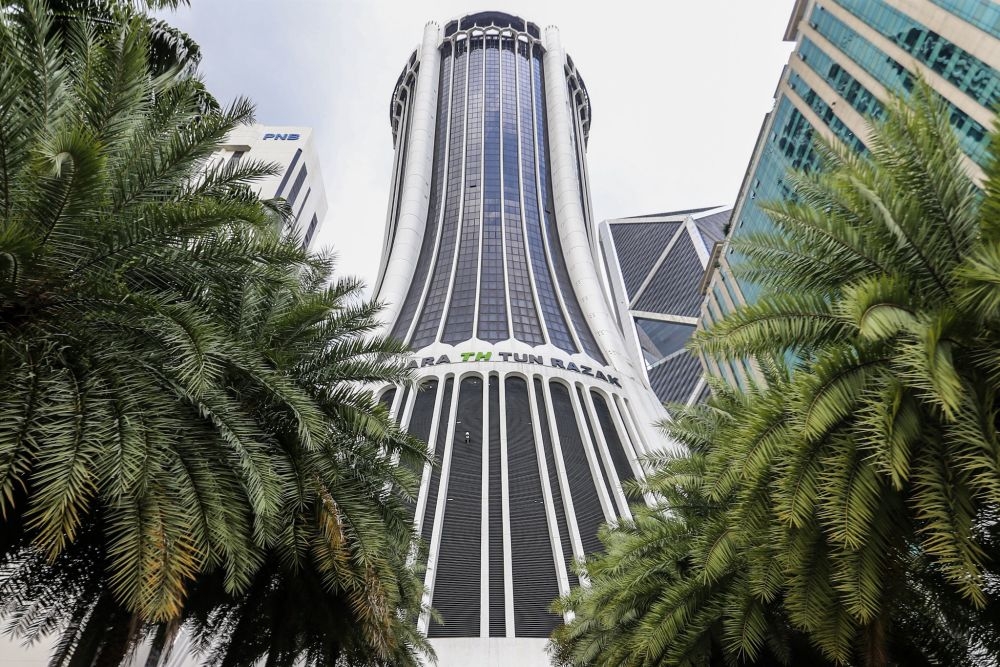
Following the Royal Commission of Inquiry's release of its findings on Tabung Haji, three major enforcement agencies have coordinated a comprehensive investigative push into allegations of financial impropriety at the pilgrimage fund manager. The Malaysian Anti-Corruption Commission (MACC), Royal Malaysia Police (RMP), and Inland Revenue Board (IRB) are now working in tandem to examine the extent of alleged irregularities uncovered in the report, signalling a significant escalation in official scrutiny of the institution.
The Royal Commission's conclusions have provided law enforcement with detailed documentation of potential violations spanning multiple regulatory domains, from corruption and financial misconduct to tax compliance issues. This multi-agency approach reflects the complexity of the allegations, which extend beyond simple abuse of authority into areas requiring specialized expertise in forensic accounting, financial crime investigation, and tax administration. The coordination among these three bodies indicates that authorities view the matter as sufficiently serious to warrant a mobilized response across the investigative landscape.
Tabung Haji, formally known as Lembaga Tabung Haji, serves as Malaysia's official pilgrimage fund, managing the savings and investments of millions of Muslim Malaysians preparing for their hajj journey. The institution's role as a trusted custodian of religious savings funds makes any irregularities particularly sensitive, given the fundamental trust placed in it by ordinary Malaysians across all income levels. The scope of potential victims—ordinary depositors whose hajj savings may have been affected—has likely contributed to the authorities' determination to conduct thorough investigations.
The RCI's investigative work established a foundation upon which these enforcement agencies can now build their cases. Rather than conducting preliminary inquiries, the MACC, police, and IRB can proceed directly to more focused investigation phases, examining specific transactions, individuals, and practices identified in the commission's report. This advantage of having a pre-existing institutional investigation streamlines the process considerably, allowing resources to be deployed toward securing evidence, conducting interviews with relevant parties, and preparing potential prosecutions.
The MACC's involvement underscores the suspected involvement of corruption or abuse of position by Tabung Haji officials or connected parties. The anti-corruption agency typically focuses on determining whether public officials or those entrusted with public funds engaged in corrupt conduct for personal gain. Their investigation will likely centre on decision-making processes, approval chains, and the motivations behind questioned transactions, seeking evidence of intentional wrongdoing rather than mere negligence or administrative failure.
Police participation addresses potential criminal offences beyond the corruption spectrum, including fraud, breach of trust, criminal misappropriation, and other offences under the Penal Code. The RMP's investigative capacity, particularly specialist units dealing with financial crime, provides the technical capability to trace fund flows, identify beneficiaries of questionable transactions, and reconstruct timelines of alleged impropriety. Their involvement also indicates that authorities may be investigating whether ordinary criminal law has been breached, not merely regulatory violations.
The IRB's engagement signals concern about potential tax evasion or tax-related misconduct connected to the irregularities. This could involve undisclosed income, improper deductions, or structured arrangements designed to avoid tax obligations. The revenue authority's participation also suggests that some questioned transactions may have tax implications requiring clarification, or that individuals involved may have failed to properly declare income derived from their alleged misconduct.
For Malaysian investors and depositors, the intensified probe provides reassurance that potential wrongdoing is being taken seriously at the highest enforcement levels. However, it also raises questions about depositor protection and compensation mechanisms should investigations confirm that misappropriation or negligence resulted in losses to the fund. Authorities will need to balance thorough investigation timelines with public concern about the security of depositor assets.
The multi-agency coordination model employed here reflects international best practices in investigating complex financial crimes. Rather than operating in silos, the MACC, police, and IRB can share intelligence, coordinate witness interviews, and avoid duplicating efforts. This approach maximizes investigative efficiency and reduces the risk of overlooking connections between different aspects of the alleged irregularities that might be invisible to a single agency working alone.
The timeframe for these investigations remains uncertain, as the scope of allegations and the number of transactions requiring examination could be substantial. However, the demonstrated commitment of three major enforcement agencies signals that authorities are prepared to dedicate significant resources to resolving the matter. Public updates on investigation progress will likely be limited initially, as disclosure could compromise ongoing investigative work or alert subjects to evidence-gathering activities.
For the wider business and financial community in Malaysia, this episode serves as a reminder that even established, trust-based institutions are subject to enforcement scrutiny. The willingness of authorities to investigate a significant, long-established organization suggests that institutional status and public perception do not provide immunity from accountability mechanisms. This may encourage greater internal compliance efforts across Malaysia's financial and investment sector.
The outcome of these investigations could have implications extending beyond prosecutions and recoveries, potentially triggering governance reforms at Tabung Haji, regulatory changes to similar institutions, and civil litigation by affected depositors seeking compensation. The interconnected nature of these potential consequences means that the current investigative phase represents just the beginning of a longer process of accountability, reform, and resolution that will unfold over coming months.

