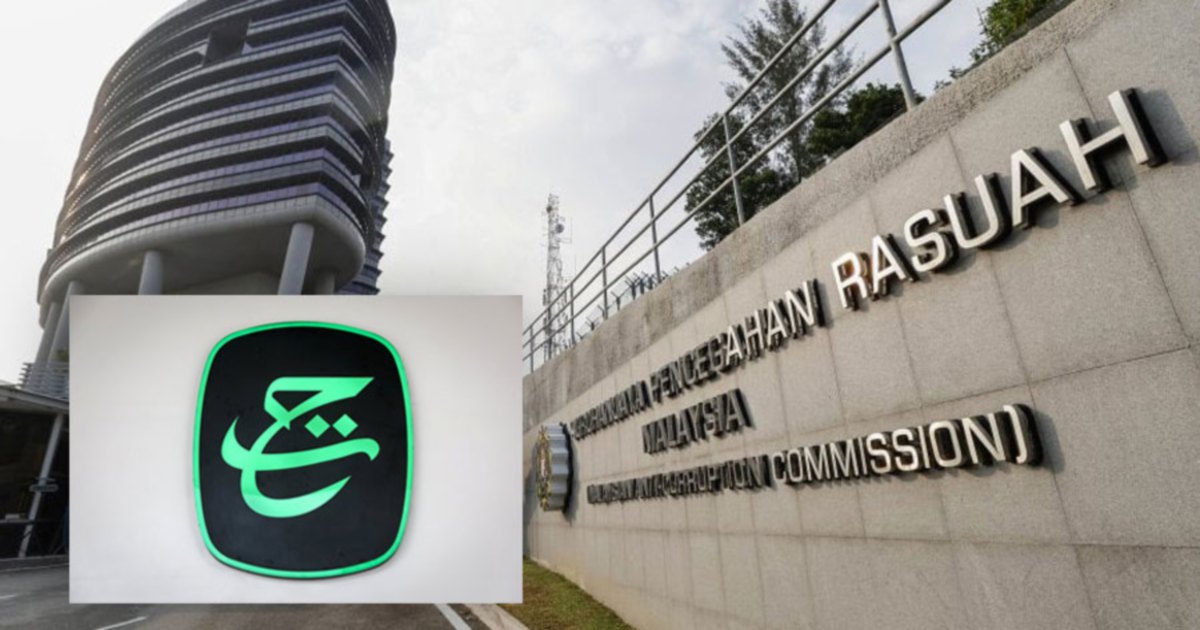
The Malaysian Anti-Corruption Commission is moving swiftly to question a former chief executive officer of Tabung Haji, signalling an intensification of its investigation into the troubled Islamic pilgrimage fund following a comprehensive royal commission of inquiry. The summons is anticipated to occur in the coming weeks as MACC extends its anti-corruption net beyond preliminary assessments into the governance failures and financial irregularities that have plagued the institution in recent years.
Tabung Haji has faced mounting scrutiny over its financial health and management practices, culminating in the establishment of the royal commission of inquiry to investigate systemic issues within the organisation. The RCI's report, which has now concluded its examination, appears to have identified concerns serious enough to warrant MACC intervention at the executive leadership level. This development underscores the gravity of alleged misconduct uncovered during the inquiry, suggesting patterns that extend beyond operational missteps to potential breaches of anti-corruption laws.
The naming of a former chief executive officer as a person of interest represents a critical juncture in MACC's broader investigation into Tabung Haji's troubles. As the organisation's top operational officer during a critical period, former CEOs occupy positions of significant responsibility for financial decisions and strategic direction that may now be subject to scrutiny. The anticipated questioning will likely probe key decisions regarding fund allocation, procurement practices, investment strategies, and corporate governance frameworks implemented during their tenure.
For Malaysian investors and pilgrims who depend on Tabung Haji's services, this development carries profound implications. The fund manages savings of over 9 million members and facilitates one of Malaysia's most important religious obligations. Concerns about institutional integrity directly affect public confidence in the organisation's ability to safeguard pilgrim funds and deliver services effectively. The MACC investigation signals that authorities are treating potential wrongdoing with utmost seriousness, a measure intended to reassure stakeholders that accountability mechanisms remain functional.
The royal commission of inquiry process itself represents a significant undertaking, requiring extensive examination of corporate records, financial transactions, and decision-making processes. Such inquiries typically uncover systemic vulnerabilities and identify individuals whose actions or omissions contributed to institutional dysfunction. The RCI's completion and handover of findings to MACC suggests that investigators accumulated sufficient evidence to justify formal questioning of specific individuals, moving beyond preliminary suspicion into a more advanced investigative stage.
Tabung Haji's challenges have accumulated over several years, with persistent questions about financial performance, governance practices, and strategic direction. The fund has faced criticism regarding its investment portfolio management, corporate spending, and overall financial stewardship. These criticisms eventually prompted the government to commission the royal inquiry, recognising that internal oversight mechanisms had failed to address emerging concerns adequately. The resulting investigation appears to have validated stakeholder concerns and identified potential criminal conduct.
The MACC's involvement follows established protocols for investigating allegations involving government-linked entities and their leadership. The anti-corruption agency has demonstrated commitment to pursuing high-profile cases involving institutional misconduct, recognising that governance failures within major organisations erode public trust and undermine national development objectives. The former CEO's anticipated summons will provide an opportunity for investigators to obtain direct testimony and clarify decisions made during critical periods of the fund's operations.
Regional observers note that this case reflects broader Southeast Asian trends regarding transparency and accountability within government-linked corporations. Malaysia has increasingly emphasised the importance of corporate governance standards, regulatory compliance, and institutional integrity. The MACC investigation into Tabung Haji demonstrates that no organisation, regardless of its religious or social significance, lies beyond the reach of anti-corruption enforcement mechanisms. This consistency strengthens Malaysia's credentials as a jurisdiction committed to combating corruption across all sectors and administrative levels.
The implications extend to Malaysia's broader reform agenda, particularly efforts to strengthen institutional safeguards and prevent financial mismanagement. Tabung Haji's case provides valuable lessons regarding the importance of independent oversight, transparent decision-making processes, and accountability mechanisms that function effectively regardless of an organisation's status or the seniority of implicated individuals. Addressing weaknesses exposed by the RCI offers opportunities to enhance governance frameworks applicable across similar government-linked entities.
Forward momentum in the MACC investigation will likely shape perceptions of institutional accountability and governmental commitment to addressing misconduct. The agency's handling of the case will demonstrate whether investigation findings translate into concrete enforcement action. Public and stakeholder confidence in the integrity of Tabung Haji ultimately depends on thorough investigation, transparent proceedings, and proportionate consequences for any confirmed wrongdoing. The anticipated summons represents a critical step toward achieving these objectives.

