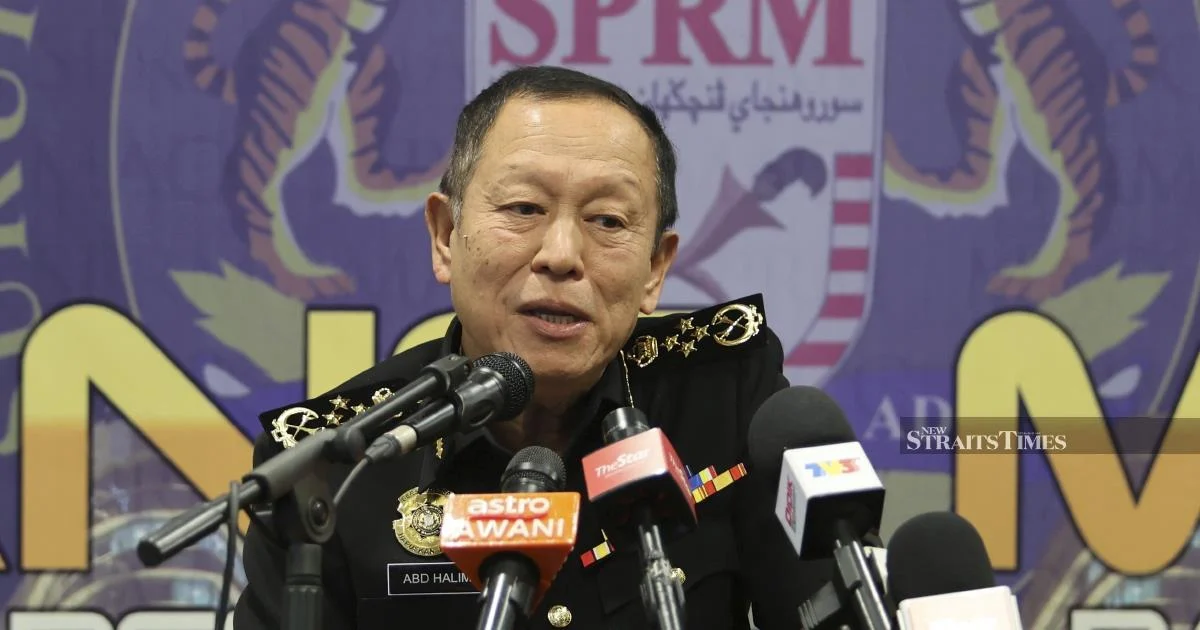
Authorities in Malaysia have reaffirmed their commitment to pursuing accountability over the activities of Low Taek Jho, the fugitive businessman at the centre of Asia's largest financial scandal. The Malaysian Anti-Corruption Commission announced from its headquarters in Putrajaya that investigative work into Low's affairs has never been shelved and remains an active priority within the agency.
The clarification underscores the enduring focus on Low's role in the 1Malaysia Development Berhad (1MDB) scandal, a complex web of financial misconduct that exposed systemic weaknesses in Malaysia's governance and financial oversight mechanisms. Low, who has remained beyond reach of Malaysian authorities for years, became synonymous with the misappropriation of billions in state funds through a sprawling international network involving shell companies, luxury purchases, and suspicious financial transfers across multiple jurisdictions.
Maintaining active investigations into high-profile fugitives presents significant operational challenges for law enforcement agencies. The MACC's confirmation suggests that investigators continue gathering evidence, pursuing leads, and coordinating with international partners to build prosecutable cases against Low. Such persistence reflects the severity of the alleged offences and the institutional determination to demonstrate that Malaysia's anti-corruption framework functions effectively despite earlier failures that allowed the misconduct to proceed unchecked for years.
Low's evasion of the Malaysian justice system has extended for a considerable period, during which he has reportedly resided in various locations outside Malaysia while maintaining a degree of visibility through occasional public statements via intermediaries. His continued absence complicates prosecution efforts but does not extinguish Malaysia's legal authority to pursue charges in absentia or to seek his eventual apprehension and extradition should he be located within reach of international law enforcement mechanisms.
The investigation's ongoing status carries implications for Malaysia's international reputation and credibility. Developed economies and regional partners assess a country's governance quality partly through its capacity to pursue justice in major corruption cases, particularly those involving state institutions and public resources. A persistent MACC investigation demonstrates commitment to accountability principles even when dealing with a fugitive beyond immediate territorial reach, signalling to international observers and domestic stakeholders that Malaysia takes financial crime seriously.
Parallel proceedings in other jurisdictions have already yielded results that inform the Malaysian investigation. The United States has pursued related cases and secured convictions of individuals connected to 1MDB, while Singapore has similarly prosecuted perpetrators within its criminal justice system. Intelligence sharing and coordination between these jurisdictions assist Malaysian investigators in understanding transaction flows, identifying conspirators, and locating evidence of Low's involvement in the broader scheme.
For Malaysian citizens and investors, the continuation of the MACC's work represents an effort to reckon with institutional failures that permitted such extensive financial theft from public coffers. The 1MDB scandal depleted resources that might otherwise have funded development projects, education, healthcare, and infrastructure across the nation. Understanding how such misappropriation occurred and holding perpetrators accountable serves a broader accountability function beyond individual prosecutions, helping to identify and remedy systemic vulnerabilities.
The investment sector in Southeast Asia has watched these developments closely, as the 1MDB affair raised questions about governance standards in the region and prompted tighter scrutiny of cross-border financial flows. Malaysia's pursuit of investigations demonstrates that authorities recognise the longer-term reputational and economic costs of allowing major corruption to escape consequences. Foreign investors and regional partners view ongoing accountability efforts as positive signals regarding institutional strength and rule of law commitment.
Technically, sustaining active investigations into fugitives requires periodic resource allocation, review of evidence, monitoring of intelligence channels, and readiness to act should opportunities for apprehension arise. The MACC's statement indicates that personnel remain assigned to Low's case and that investigating officers continue examining financial records, communications, and movements of associates who might provide leads to his whereabouts or additional evidence of wrongdoing.
Regionally, Malaysia's experience with the 1MDB scandal has influenced governance practices across Southeast Asia, prompting countries to strengthen anti-corruption frameworks, enhance financial transparency requirements, and improve oversight of sovereign wealth funds and state-owned enterprises. The continuing investigation thus serves educational and preventive purposes beyond Malaysia's borders, reinforcing lessons about the importance of institutional safeguards and independent scrutiny of large financial transactions.
The MACC's public confirmation that investigative work remains active also addresses public speculation about whether the passage of time and Low's continued absence had led to deprioritisation of the case. Reaffirming the investigation's status maintains accountability messaging and demonstrates that Malaysia's institutions persist in pursuing justice despite the practical difficulties posed by a fugitive suspect's international mobility and apparent ability to avoid capture across multiple years.

