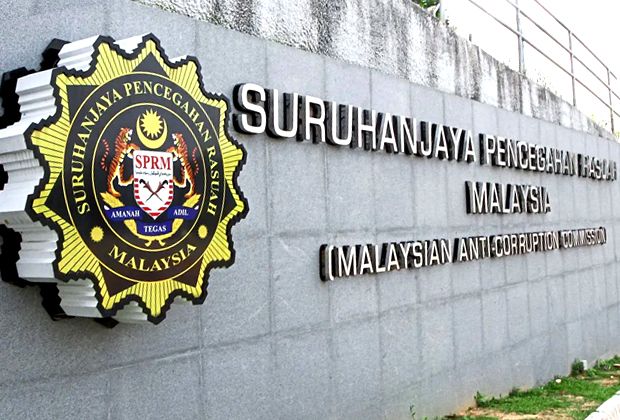
The Malaysian Anti-Corruption Commission has lifted restrictions on bank accounts belonging to Rohas Tecnic and its subsidiary HGPT following the revocation of seizure orders that had been in place under anti-money laundering legislation. The move represents a significant development for the power transmission and telecommunication tower manufacturer, which had faced financial constraints since the original freezing orders were imposed in mid-October.
The revocation orders, issued by the Deputy Public Prosecutor under Section 50(1) of the Anti-Money Laundering, Anti-Terrorism Financing and Proceeds of Unlawful Activities Act 2001, encompass not only the corporate entities but also the personal bank accounts held by both current and former officers of HGPT. This comprehensive lifting of restrictions means that all previously frozen accounts have now been released back to the company's control, according to a regulatory filing submitted to Bursa Malaysia.
Rohas Tecnic confirmed in its announcement that the company and its subsidiaries are now free to resume normal banking operations and business activities without the encumbrance of the financial restrictions. The revocation effectively removes a significant operational impediment that would have constrained the group's ability to meet financial obligations, manage day-to-day expenses, and pursue business development initiatives during the freezing period.
The timeline of events demonstrates how quickly the matter was resolved once initiated. On October 17, 2025, Rohas Tecnic disclosed to the market that it had received freezing and seizure orders from the MACC affecting bank accounts held by the parent company, subsidiary HGPT, and another subsidiary Rohas-Euco Industries Bhd (REI). The orders were issued pursuant to both Section 44(1) and Section 50(1) of AMLA, indicating that authorities were conducting investigations into potential financial irregularities or unlawful activities.
The resolution came in two stages. On November 26, 2025, both Rohas Tecnic and HGPT received revocation orders from the Deputy Public Prosecutor, effectively clearing the way for the parent company and its primary subsidiary to resume full financial operations. A day earlier, REI had already received its own revocation orders issued directly by the MACC under Section 44A of AMLA, suggesting that the three entities may have been investigated separately or that different investigative grounds applied to each.
The relatively swift revocation of these orders suggests that investigators either found no evidence of wrongdoing, completed their initial inquiries without requiring further account freezing, or determined that the original grounds for seizure were no longer necessary. While the MACC does not typically provide detailed commentary on the outcomes of such investigations, the lifting of financial restrictions is generally interpreted as a positive resolution for the affected parties.
For Rohas Tecnic, the revocation carries substantial practical implications. Tower manufacturers and telecommunications infrastructure providers operate in capital-intensive industries where cash flow management is critical. Frozen accounts would have prevented the company from paying suppliers, meeting payroll obligations, servicing debt, or investing in equipment and operations. The restoration of banking access allows the company to resume normal commercial activities that may have been constrained during the investigation period.
The case highlights the significant impact that anti-money laundering investigations and enforcement actions can have on legitimate business operations in Malaysia. While the legal framework exists to protect the financial system from illicit activities, the freezing of accounts during investigations can create substantial hardship for businesses and their stakeholders, including employees whose wages may be affected and suppliers awaiting payment.
Rohas Tecnic's experience reflects broader challenges faced by Malaysian companies operating under stringent financial regulatory regimes. The company's sector—infrastructure and telecommunications—involves substantial government contracts and tenders, making any regulatory scrutiny or adverse findings particularly significant for business continuity and reputation.
The revocation orders underscore the importance of due process and the distinction between investigation and conviction. The initial freezing orders were precautionary measures taken during the inquiry phase, while the revocations indicate that authorities either concluded their investigations or determined that ongoing restrictions were unjustified. This outcome should provide some reassurance to investors and stakeholders in Rohas Tecnic regarding the company's operational integrity.
Looking ahead, the company will need to focus on rebuilding normal business momentum following the disruption caused by the account freezing. This may include reconnecting with clients, fulfilling outstanding contractual obligations, and demonstrating continued financial stability to customers and creditors who may have been concerned during the investigation period.
The case also serves as a reminder to Malaysian businesses of the importance of maintaining robust internal controls and compliance programs to minimize the risk of regulatory investigation. Companies operating in regulated sectors or handling significant financial transactions should ensure they have adequate documentation and audit trails to facilitate any future inquiries by authorities.

