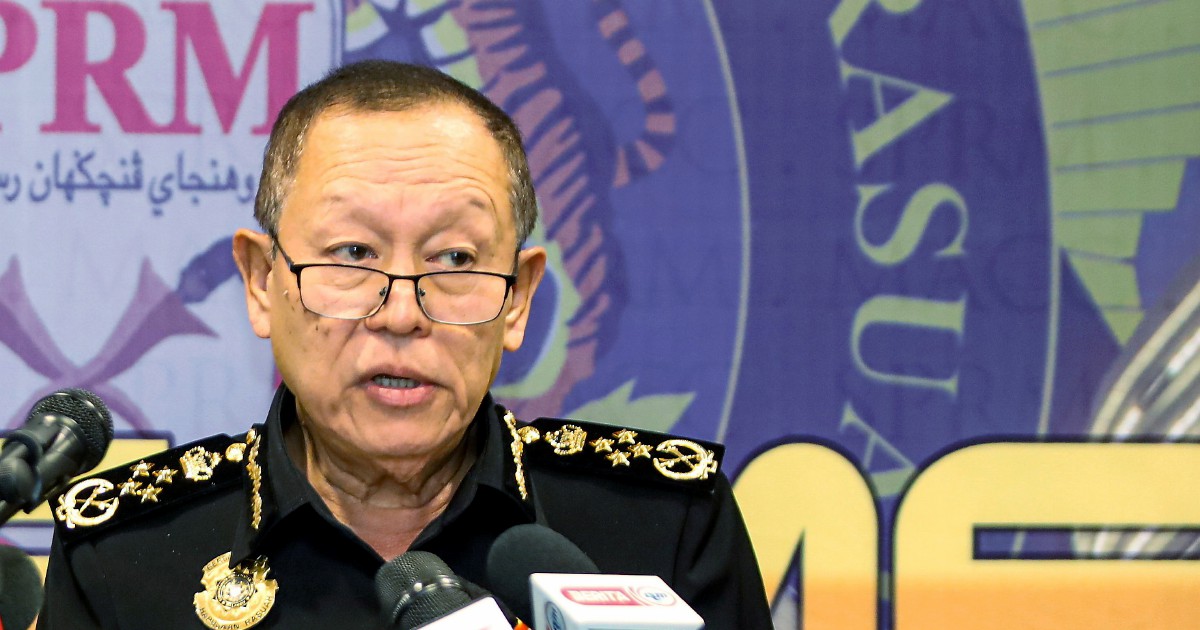
The Malaysian Anti-Corruption Commission (MACC) has initiated a formal investigation paper concerning alleged irregularities linked to an RM80 million replanting initiative at Felda Palong 7, located in Wilayah Raja Alias within Negeri Sembilan. The move signals renewed focus on governance standards within federal land settlement schemes, which have long been subject to scrutiny regarding fund management and project execution.
Felda schemes represent a cornerstone of Malaysia's rural development architecture, established decades ago to provide smallholder farmers with cultivable land and agricultural support. The Palong 7 site, situated in a region historically dependent on palm oil and rubber cultivation, has undergone successive phases of modernisation and replanting to maintain productivity. These large-scale agricultural initiatives, however, frequently involve substantial capital expenditure and complex procurement processes, creating potential vulnerability to mismanagement or corrupt practices.
The decision to launch a formal investigation reflects growing concern about financial propriety within agricultural development projects. Replanting operations typically encompass clearing existing vegetation, soil preparation, acquisition of seedlings, and ongoing maintenance—each phase requiring careful budgeting and transparent contractor engagement. An RM80 million allocation represents a significant government or statutory body investment, underscoring the importance of rigorous oversight mechanisms to safeguard public resources.
The involvement of MACC, Malaysia's principal anti-corruption enforcement agency, indicates that preliminary intelligence or formal complaints have prompted escalation beyond routine audit procedures. The commission possesses extensive investigative powers, including the authority to examine financial records, interview relevant personnel, and recommend prosecution when evidence supports criminal charges. Such investigations typically proceed methodically, requiring forensic analysis of procurement documentation, payment vouchers, and project delivery milestones.
Felda Global Ventures, the listed company managing substantial Felda interests, operates within a complex governance structure involving Federal Land Development Authority (Felda) management, state authorities, and institutional investors. Replanting projects fall within core operational mandates but require coordination across multiple stakeholder groups. Previous scrutiny of Felda-related matters has occasionally revealed delays in project completion, cost escalations, and questions regarding contractor selection procedures.
For Malaysian stakeholders, including smallholder farmers deriving livelihoods from Felda schemes, project integrity carries direct implications. Successful replanting ensures sustained agricultural output and long-term viability of settlement communities. Conversely, misallocated resources or compromised execution standards undermine productivity gains and reduce farmers' income prospects. The transparency of investigation outcomes thus extends beyond enforcement concerns to matters affecting rural livelihoods.
The Palong 7 investigation occurs within a broader context of heightened anti-corruption enforcement in Malaysia. Since institutional reforms following 2018, the MACC has pursued numerous high-profile inquiries spanning various sectors. This pattern demonstrates commitment to holding public institutions and officials accountable, though critics occasionally note inconsistency in application across different sectors and geographic regions.
Regionally, Malaysia's approach to investigating public sector irregularities holds significance for neighbouring Southeast Asian economies grappling with similar governance challenges. Agricultural development schemes across the region frequently struggle with implementation delays and financial oversight deficiencies. How Malaysian authorities handle the Palong 7 matter may offer instructive lessons regarding investigative methodology and enforcement outcome communication.
The investigation's scope and timeline remain undisclosed, but MACC procedures typically require several months for comprehensive examination of complex financial documentation. Should evidence substantiate accusations of fraud, embezzlement, or abuse of authority, formal charges could ensue against individuals or entities involved. Conversely, investigations sometimes exonerate subjects or identify systemic weaknesses requiring administrative remediation rather than criminal prosecution.
Stakeholders including Felda management, government ministries overseeing rural development, and affected farming communities await further developments. Transparency regarding investigation progress and eventual findings will prove essential for maintaining public confidence in institutional accountability mechanisms. The commission's willingness to investigate substantial public sector projects sends important signals regarding governance expectations across Malaysia's development institutions.
The replanting project itself, divorced from investigation considerations, addresses legitimate agricultural modernisation imperatives. Palm oil and rubber cultivation practices require periodic renewal to maintain soil health, replant aging trees, and incorporate improved varieties. However, executing such initiatives through transparent, competitive procurement processes remains non-negotiable for protecting public investment and ensuring optimal resource deployment.
Looking forward, the Palong 7 investigation exemplifies ongoing tensions between maintaining development momentum and enforcing rigorous financial controls. Malaysian authorities must simultaneously advance legitimate agricultural development objectives while preventing corrupt practices from undermining project efficacy. The MACC's investigative capacity and institutional independence prove critical for navigating this balance, ultimately serving broader national interests in rural prosperity and institutional credibility.

