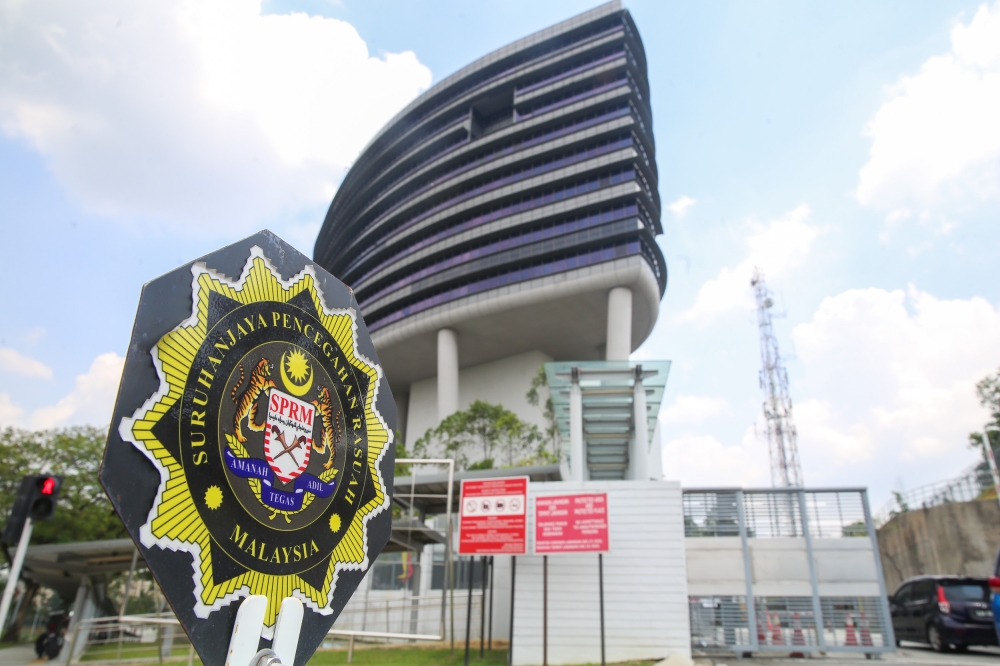
Malaysia's anti-corruption watchdog is making significant strides in modernising its investigative arsenal, recognising that traditional forensic techniques are increasingly insufficient in an era dominated by artificial intelligence and digital deception. The Malaysian Anti-Corruption Commission's latest push to enhance its digital forensics capability marks a critical adaptation to how corruption cases are investigated, prosecuted, and defended across the nation. As deepfake technology becomes more sophisticated and accessible, the MACC has identified the urgent need to develop in-house expertise capable of identifying manipulated digital evidence that might otherwise mislead courts and compromise investigations.
The rise of synthetic media presents a novel challenge to law enforcement and anti-corruption bodies worldwide. In Malaysia's context, where corruption remains a persistent governance concern and digital transformation accelerates across government and private sectors, the proliferation of convincing fake videos, audio recordings, and digitally altered documents poses genuine risks to the integrity of legal proceedings. Suspects or defendants may increasingly rely on deepfake technology to discredit legitimate evidence, cast doubt on witness testimony, or fabricate exculpatory material. Without adequate detection capabilities, the MACC risks having cases weakened or dismissed based on sophisticated but false digital content, ultimately allowing corrupt officials or implicated parties to escape accountability.
The commission's investment in digital forensics represents more than a technical upgrade; it reflects institutional acknowledgment that corruption investigation in the 2020s demands expertise previously considered niche or specialist. Building this capability in-house ensures the MACC maintains control over investigations and reduces dependence on external contractors, while establishing proprietary knowledge about detection methodologies and forensic standards. This self-sufficiency is particularly important given that deepfake detection science remains fluid, with new techniques emerging constantly and no universally agreed international standards yet established.
Malaysia's move aligns with broader regional security concerns. Neighbouring countries including Singapore and Australia have similarly warned of deepfake threats to electoral integrity, national security, and civil discourse. The technology's potential to undermine public trust in institutions—whether by fabricating statements from political leaders or manufacturing evidence in corruption cases—extends beyond individual prosecutions to systemic governance challenges. For Malaysia, an emerging economy with ongoing efforts to strengthen institutional integrity and attract foreign investment, demonstrating robust capabilities to authenticate evidence and detect manipulation becomes increasingly important to international partners and investors evaluating the reliability of the legal system.
The technical challenges facing the MACC are substantial. Deepfake detection relies on identifying subtle inconsistencies in facial expressions, lighting, and audio synchronisation that human observers might easily miss. Machine learning models trained to spot these anomalies require substantial computing resources and continuous updating as generative AI technology improves. The commission must also grapple with the legal admissibility of digital forensics findings, ensuring that detection methodologies withstand judicial scrutiny and meet evidentiary standards that courts recognise. This requires not just technical competence but also clear documentation of procedures, validation of testing methods, and expert witnesses capable of explaining complex forensic findings to judges unfamiliar with cutting-edge AI terminology.
Beyond deepfakes, the MACC's expanded digital forensics capability addresses broader concerns about evidence manipulation. Corruption investigations frequently hinge on digital records—financial transaction logs, email communications, mobile phone metadata, and cloud storage contents. Sophisticated actors may attempt to alter these records, create false documentation, or deploy steganographic techniques to hide communications. Enhanced forensic capability enables investigators to establish chains of custody, verify data integrity, and identify tampering attempts that might otherwise escape detection. For white-collar crime and corruption cases, where perpetrators often possess technical sophistication, this capability becomes essential to matching investigative rigour with criminal ingenuity.
Training and staffing emerge as critical implementation challenges. Building a credible digital forensics unit requires recruiting or developing staff with expertise in computer science, cryptography, machine learning, and law enforcement procedure. Malaysia's competitive tech sector may create recruitment difficulties, with skilled professionals potentially drawn to private sector positions offering higher remuneration. The MACC must therefore consider strategic partnerships with academic institutions, offering internships or sponsored research programmes to develop a pipeline of specialists. Regional cooperation, particularly through the Association of Southeast Asian Nations frameworks or bilateral agreements with countries like Singapore, could also facilitate knowledge transfer and professional development.
The investment carries implications for Malaysia's reputation in combating corruption. International bodies such as Transparency International and foreign governments evaluating anti-corruption commitment increasingly factor institutional capability into their assessments. A MACC equipped with modern forensics capability signals serious commitment to prosecuting corruption effectively, potentially influencing foreign direct investment decisions and diplomatic relations. Conversely, if the commission lacks such capability, investigations might falter on technical grounds, undermining public confidence and suggesting institutional inadequacy to handle sophisticated financial crime.
The broader context includes Malaysia's ongoing efforts to strengthen the rule of law following high-profile corruption cases that reached global prominence. Demonstrating institutional evolution and adaptive capacity to emerging challenges helps restore confidence in governance systems. The MACC's digital forensics initiative represents tangible evidence that the organisation is learning from past cases, anticipating future threats, and modernising investigative methods accordingly. This forward-looking posture, while not reversing historical perception challenges, indicates institutional maturity and responsiveness to legitimate criticisms about investigative capability.

