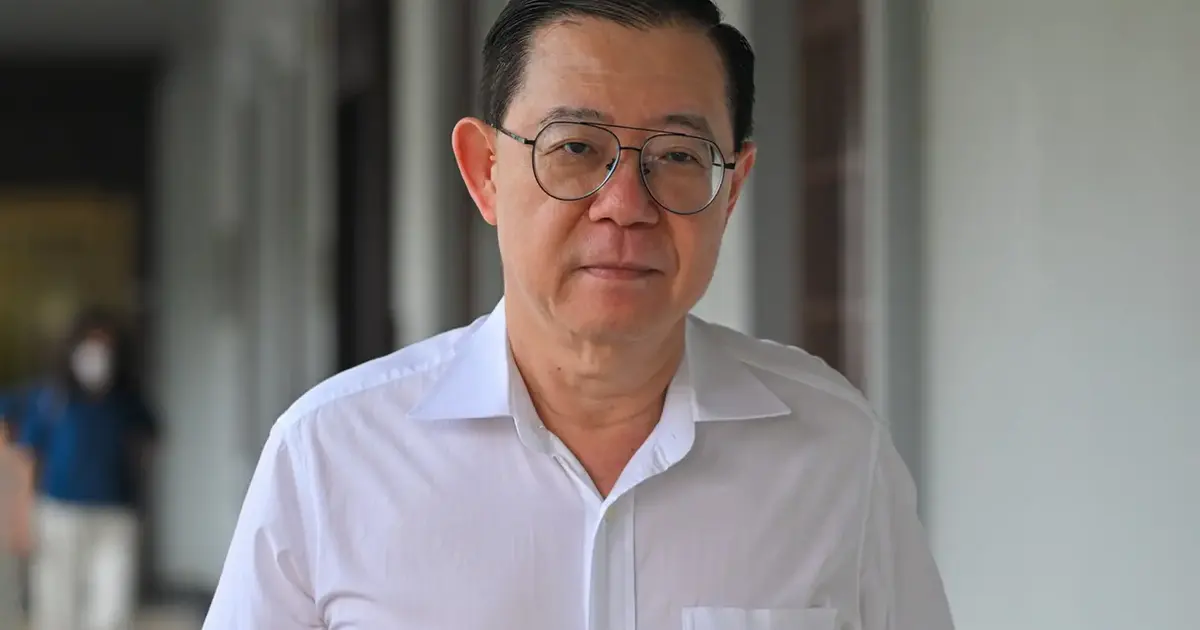
The Malaysian Anti-Corruption Commission's investigating officer handling the Penang undersea tunnel project case has pushed back sharply against accusations that the investigation lacked impartiality, maintaining that the probe followed proper procedure and that witnesses were not pressured into providing statements against any individual. Officer Zulhilmi Ramli's rebuttal comes amid ongoing scrutiny of the high-profile inquiry into what has become one of the most contentious infrastructure projects in the state's recent history.
The undersea tunnel initiative, envisioned as a transformative connectivity project linking Penang Island to the mainland, has drawn considerable attention from both the public and investigative authorities. Questions about governance, procurement processes, and decision-making have surrounded the project since its conception, prompting the MACC to launch a comprehensive investigation. As the inquiry has progressed, questions have emerged regarding whether the investigation has maintained the impartiality expected of such a sensitive probe, particularly given the political dimensions involved.
The core allegation at the heart of recent criticism centres on whether the MACC's investigation team pressured three witnesses to implicate Lim Guan Eng, the former Penang Chief Minister who spearheaded the tunnel proposal during his tenure. Lim Guan Eng, who led Penang from 2008 to 2018, championed the tunnel as a solution to persistent traffic congestion and a catalyst for regional economic development. His departure from office, followed by a change in state leadership, appears to have created space for heightened scrutiny of projects initiated during his administration.
Zulhilmi Ramli's categorical denial of coercion allegations represents a significant moment in the ongoing narrative surrounding this investigation. He asserted that each witness provided voluntary statements in accordance with established MACC protocols, without external inducements or intimidation. The officer's defence reflects broader institutional concerns about safeguarding the credibility of anti-corruption investigations at a time when public trust in regulatory bodies remains a matter of considerable debate throughout Malaysia.
The investigation itself touches on fundamental questions about infrastructure project governance. The undersea tunnel, originally estimated at substantial cost, raised concerns about value for money, environmental impact assessments, and whether proper competitive bidding processes were followed. These technical and procedural questions naturally attract regulatory oversight, yet the manner in which such investigations unfold carries implications for public administration and political accountability across Malaysia's federal system.
For Malaysian observers, the case illustrates the complex intersection between legitimate anti-corruption efforts and the potential for investigations to become entangled with political considerations. The undersea tunnel remains a potent symbol in Penang politics, representing both progressive thinking about infrastructure and, to critics, an example of expensive projects that failed to materialise as envisioned. Separating genuine governance concerns from partisan motivations remains a persistent challenge for Malaysian institutions tasked with investigating high-level decision-making.
The investigation's trajectory will likely have ramifications extending beyond Penang itself. How the MACC handles this case, whether conclusions are perceived as fair by diverse stakeholders, and how the broader public receives the final findings will contribute to ongoing national conversations about institutional independence and investigative integrity. Southeast Asian countries grappling with similar questions about balancing anti-corruption imperatives with procedural fairness will observe Malaysia's handling of such matters with interest.
Zulhilmi Ramli's refutation of bias allegations also reflects the institutional stakes involved. The MACC, as Malaysia's primary anti-corruption enforcement body, must navigate the delicate position of investigating matters that inevitably intersect with political spheres while maintaining credibility as an impartial institution. Any perception that investigations are politically motivated risks undermining public confidence not only in specific probes but in the broader anti-corruption framework itself.
The three witnesses referenced in the inquiry remain central to understanding what prosecutors believe occurred during the tunnel project's planning and early implementation phases. Whether their testimonies represent genuine recollections of events or reflect external pressures, as some have suggested, will likely emerge more clearly as the investigation progresses and potentially reaches formal accusations or legal proceedings. The investigating officer's insistence that all witness accounts were voluntarily provided sets the stage for potential legal challenges should the case advance to prosecution.
Moving forward, how this investigation concludes will establish precedent for subsequent high-profile probes in Malaysia. If the MACC successfully demonstrates that its investigation maintained rigorous standards of procedural fairness despite operating in a politically sensitive environment, it may enhance confidence in the institution's ability to handle controversial cases. Conversely, if credible doubts persist about investigative methods, the ramifications could extend to public willingness to cooperate with anti-corruption authorities in future inquiries across the nation.
The Penang undersea tunnel inquiry ultimately represents more than a single infrastructure project or individual case. It exemplifies Malaysia's ongoing efforts to develop investigative institutions capable of examining high-level governance decisions while maintaining the procedural integrity and impartiality that legitimate accountability requires. Zulhilmi Ramli's defence of the investigation's methodology signals the MACC's determination to insist that its probe meets these demanding standards, though broader public assessment of whether such claims withstand scrutiny will unfold as the investigation continues.

