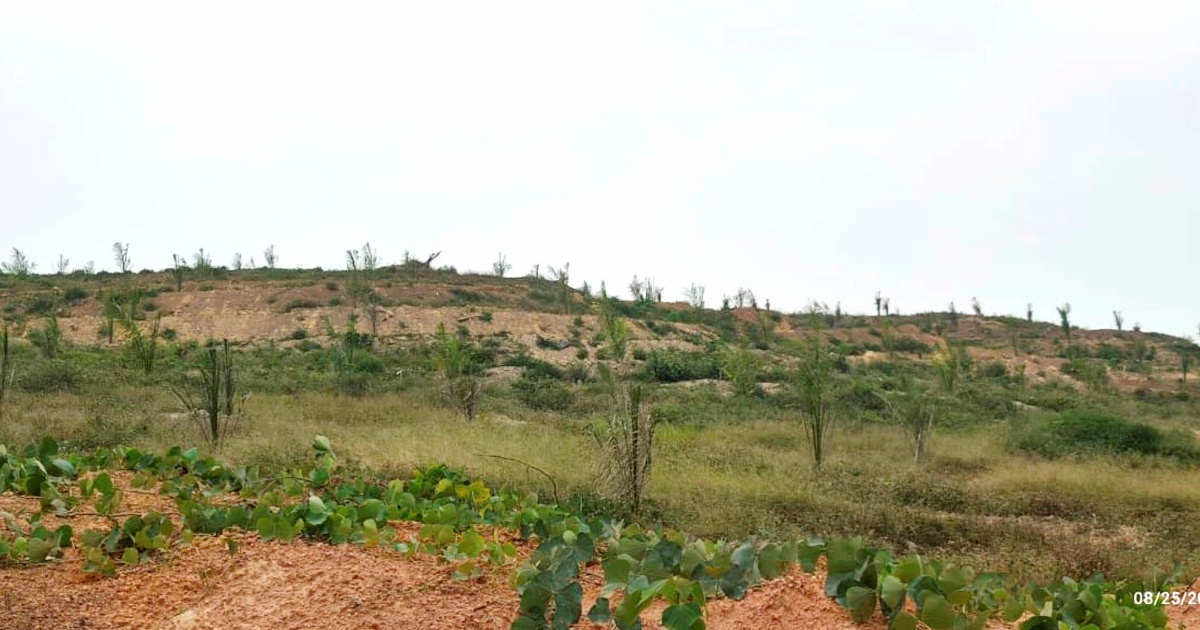
Residents of Felda Palong 7 in Jempol have filed a formal complaint with the Malaysian Anti-Corruption Commission regarding the distribution of deficient and inconsistent oil palm seedlings supplied to their settlement scheme. The matter underscores persistent challenges within Malaysia's federal land development authority programme, which has long served as a pillar of rural economic development across the country.
The supply of agricultural inputs remains a critical component of Felda's operational framework, where smallholder farmers depend on consistent quality and uniformity to achieve viable yields. Poor-quality seedlings can severely compromise plantation establishment, leading to prolonged maturation periods, increased vulnerability to disease and pest infestation, and ultimately reduced productivity and income for scheme members. The settlers' decision to escalate their grievances to the MACC suggests they view the matter as potentially involving irregularities beyond mere operational shortcomings.
Felda schemes across Malaysia have historically faced various implementation challenges, from input procurement to market access. The Palong 7 settlement, located in Negeri Sembilan's Jempol district, represents one of many such enterprises that anchor rural livelihoods in the region. When foundational elements like seedling quality slip below acceptable standards, the ripple effects extend throughout the entire production cycle, imposing long-term financial strain on settlers already operating within tight profit margins.
The role of the MACC in this matter signals that farmers suspect the seedling quality issues may stem from corrupt practices rather than mere administrative negligence. Possible concerns could include unauthorised substitutions of certified seedlings, collusion between suppliers and officials overseeing procurement, or falsified documentation regarding seedling origins and specifications. Such allegations demand impartial investigation to establish whether institutional safeguards functioned appropriately throughout the supply chain.
Quality assurance in agricultural input supply chains requires rigorous testing and certification protocols. Uniform oil palm seedlings of verified genetics ensure that all farmers within a scheme experience comparable growth rates and maturation timelines, facilitating standardised management practices and predictable harvesting schedules. Deviations from agreed specifications can impose unequal burdens on individual settlers, creating disparities in outcomes that have nothing to do with farming competence or effort.
The Palong 7 complaint arrives amid broader scrutiny of Felda's governance structures and procurement practices. Over recent years, the authority has undertaken various reform initiatives intended to strengthen transparency and accountability. This investigation offers an opportunity to test whether those improvements have adequately filtered through to operational levels, particularly regarding vendor selection and quality inspection procedures for essential inputs.
For Malaysian policymakers and agricultural stakeholders, this situation highlights the interconnectedness of corruption and agricultural productivity. Even in contexts without intentional fraud, weak internal controls and oversight mechanisms can permit substandard supplies to reach farmers. The MACC's involvement signals commitment to investigating whether systemic vulnerabilities were exploited or whether procedural breakdowns allowed inferior materials to enter the distribution network.
The timing of the complaint may also reflect settlers' growing confidence in grievance mechanisms available to them. If Felda participants increasingly perceive the MACC as an accessible and effective avenue for redressing institutional failures, this could strengthen accountability across the wider development authority ecosystem. Conversely, if investigations stall or produce inconclusive outcomes, trust in such mechanisms may erode, potentially leading to compounding dissatisfaction.
Oil palm cultivation remains economically vital to rural communities across Peninsular Malaysia and beyond. While the sector faces international scrutiny regarding sustainability and environmental stewardship, domestic concerns centre equally on ensuring that individual farmers receive inputs meeting promised quality standards and that procurement processes remain honest and transparent. The Palong 7 case exemplifies these tensions, where local livelihood sustainability intersects with institutional integrity.
Regional observers also monitor such developments closely, as Felda's operational effectiveness influences Malaysia's broader agricultural and social development trajectory. Neighbouring countries operating comparable smallholder schemes may draw lessons from how Malaysian authorities address supply chain integrity issues. The MACC's investigation results could therefore contribute valuable precedent regarding corruption prevention in agricultural development programmes across Southeast Asia.
Settlers pursuing this complaint pathway demonstrate agency in protecting their interests, refusing to accept substandard inputs silently. Successful investigation and remediation would validate their approach while signalling to other Felda participants that institutional channels exist for addressing grievances. Conversely, dismissal or protracted delays might discourage future complaints, ultimately weakening overall system accountability.
The underlying technical issues—non-uniform growth patterns, compromised genetics, lower survival rates—translate directly into reduced household incomes for settler families who have invested years developing their plots. This personal economic dimension underscores why seedling quality cannot be dismissed as a minor logistical concern but rather represents a fundamental commitment to scheme members' welfare and productive capacity.

