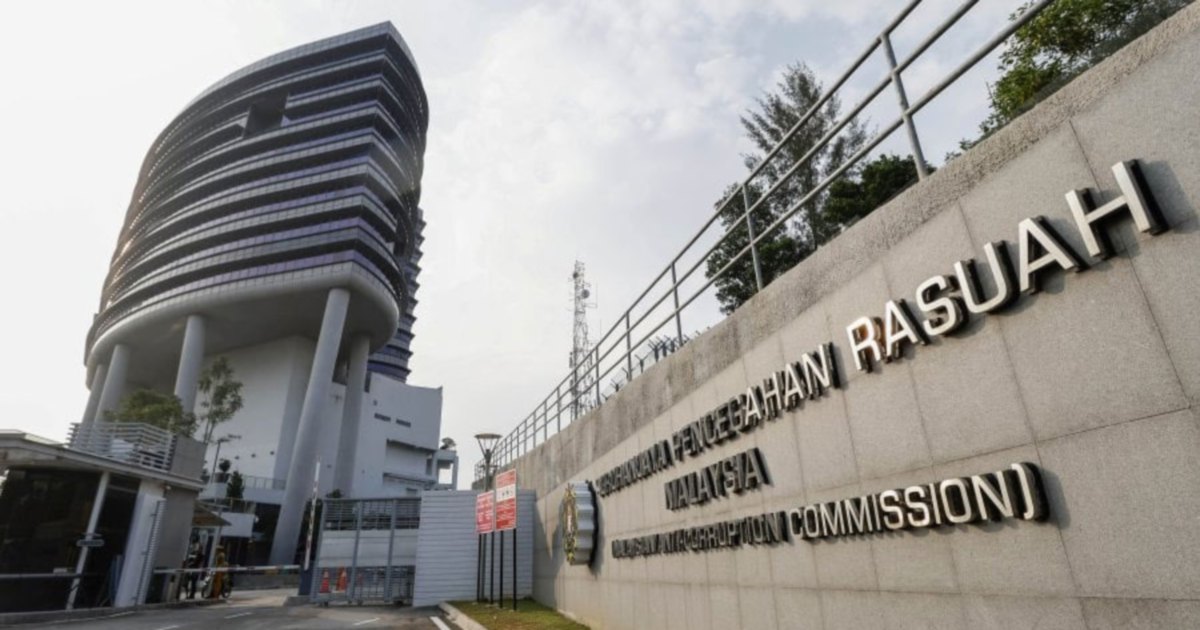
The Malaysian Anti-Corruption Commission has begun formal investigations into a substantial financial setback at Retirement Fund Inc, with agency officials conducting an on-site inquiry at KWAP's Kuala Lumpur headquarters during the past several days. The investigation centres on the retirement fund's exposure to eFishery, an Indonesian technology company specialising in aquaculture operations, which has resulted in reported losses valued at RM200 million. The visit marks an escalation in scrutiny of how Malaysia's public sector pension fund deployed capital into the Southeast Asian venture, raising fresh questions about investment oversight and due diligence procedures at one of the nation's largest institutional investors.
Funding mechanisms for public sector retirement schemes occupy a critical position within Malaysia's financial architecture, serving millions of current and former government employees who depend on these reserves for post-employment security. KWAP, as the administrator of such retirement benefits, operates under heightened fiduciary obligations to ensure prudent stewardship of member contributions and investment returns. The sizeable writedown associated with the eFishery position represents a material concern for pension administrators and government authorities alike, particularly given the scale of potential impact on retirement income adequacy for beneficiaries.
Indonesian technology-driven agriculture ventures have attracted considerable regional investment in recent years, capitalising on Southeast Asia's vast aquaculture potential and digital innovation momentum. eFishery operates within this space, positioning itself as a moderniser of fish farming practices through technological integration. However, the company's financial performance and operational outcomes appear to have diverged significantly from initial projections or expectations that underpinned KWAP's investment decision. The investigation will likely examine whether adequate risk assessment protocols were followed during initial investment appraisal and ongoing monitoring phases.
The timing of MACC involvement reflects growing institutional concern about how large sums of retirement capital flow into emerging market technology investments, particularly across borders where regulatory frameworks and corporate governance standards may differ from Malaysian norms. Investigators will presumably focus on the investment approval process, including who authorised the decision, what analytical work supported the capital commitment, and whether appropriate governance structures existed to challenge or escalate concerns as the investment encountered difficulties. Documentation related to financial projections, board deliberations, and third-party valuations will likely form part of the forensic examination.
For Malaysian pension fund participants, these developments carry tangible implications extending beyond abstract corporate governance concerns. Losses of this magnitude ultimately diminish the pool of capital available for retirement income provision, potentially affecting benefit calculations or long-term fund sustainability depending on the severity and permanence of the impairment. Employers and employees contributing to these schemes necessarily factor investment performance into their financial planning, making transparency about significant losses a matter of public interest.
The regional context surrounding this investigation deserves consideration, as Southeast Asian institutional investors increasingly expand cross-border portfolios seeking yield enhancement and diversification benefits. Thailand, Indonesia, and Singapore each host substantial sovereign wealth funds and pension administrators undertaking similar international investment strategies. The eFishery episode provides a cautionary marker about venture risks and operational challenges that can materialise when anchoring significant capital in early-stage technology companies, regardless of sector or geography. Malaysian authorities will be observing whether governance lapses or misconduct emerge from the investigation, as such findings could influence investment practices across the region's retirement fund community.
Investigation into investment decisions of this scale typically requires examination of multiple phases spanning initial opportunity identification through ongoing asset monitoring. MACC will presumably conduct interviews with fund managers, investment committee members, external advisors, and senior executives involved at key decision junctures. They will examine correspondence, meeting minutes, financial models, and due diligence reports that informed the investment thesis. Understanding whether warning signs about eFishery's operational or financial trajectory were missed, ignored, or inadequately escalated within KWAP's governance structure represents a central investigative objective.
The broader implications for Malaysia's pension administration extend to policy and regulatory oversight questions. Retirement fund managers face perpetual tension between seeking competitive returns to meet long-term liabilities and maintaining prudent risk management aligned with the safety considerations befitting workers' retirement savings. Regulatory bodies responsible for supervising such institutions will inevitably revisit investment policy frameworks, approval procedures, and risk tolerance guidelines in light of this episode. International investment practices and lessons from comparable incidents in other Asian economies may inform enhanced safeguards.
Stakeholder confidence in retirement fund management depends fundamentally on perception that institutional capital receives responsible stewardship and that governance structures promptly identify and address emerging problems. The MACC investigation, while potentially uncomfortable for involved parties, represents a mechanism through which accountability and transparency can be reinforced within Malaysia's pension administration ecosystem. The investigation's findings, once concluded, will likely influence future investment decision-making across Malaysia's public sector pension system and potentially ripple through regional institutional investor practices and protocols.

