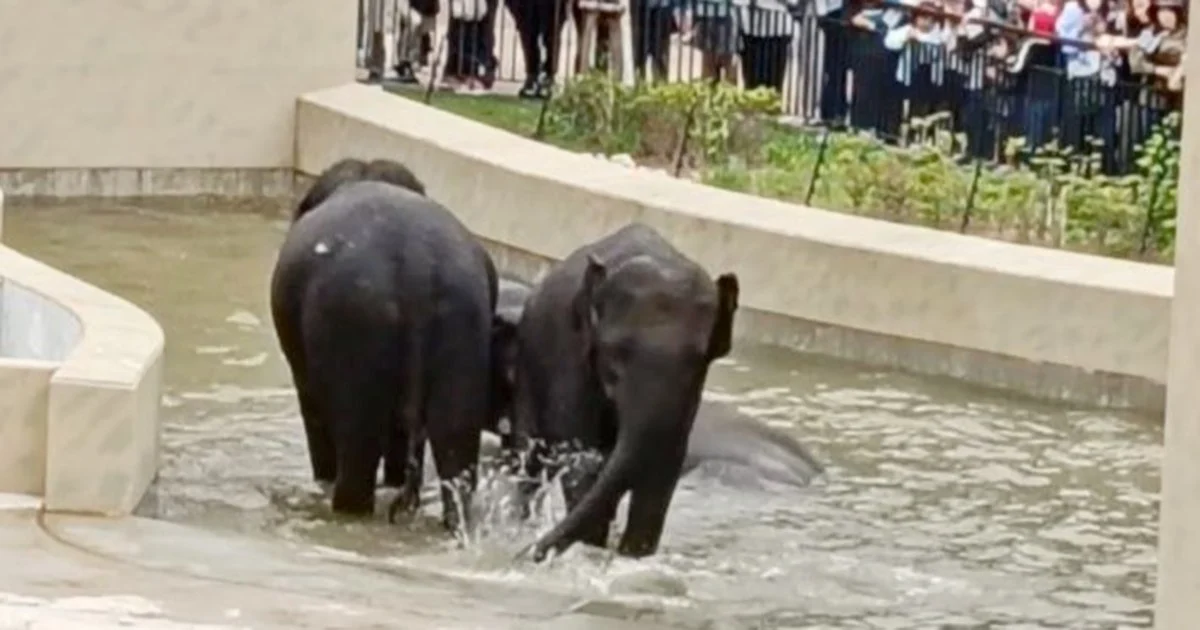
The Malaysian Anti-Corruption Commission has initiated a preliminary inquiry into the Taiping Municipal Council's handling of three elephants transferred to Tennoji Zoo in Japan, with investigators currently conducting a desk-based examination of relevant documentation rather than pursuing fieldwork or interviews at this stage. The probe, which focuses narrowly on documentary evidence, represents an early phase in assessing whether proper procedures were followed during the transaction.
Tennoji Zoo, located in Osaka, Japan, received the three pachyderms as part of an international animal welfare and conservation initiative. The specifics of how the animals were selected, the negotiations between the Malaysian council and the Japanese facility, and the contractual arrangements governing the transfer have all become subjects of administrative scrutiny, given the high-profile nature of exotic animal relocations and their implications for institutional accountability.
The MACC's approach reflects standard investigative protocol in Malaysia when concerns arise regarding municipal decisions involving significant resources or assets. Rather than immediately launching intensive field operations, the commission first seeks to establish a documentary baseline—reviewing council records, meeting minutes, correspondence, procurement processes, and any agreements signed between parties. This methodical foundation helps investigators determine whether deeper investigation is warranted or whether the transaction followed established governance frameworks.
For the Taiping Municipal Council, the investigation underscores the increasing scrutiny placed on local authority decisions, particularly those involving unusual transactions or expenditures. Malaysian municipal councils operate under dual oversight systems, answerable both to state governments and to federal anti-corruption mechanisms. The involvement of the MACC signals that either the council itself or external parties flagged potential irregularities for review, triggering the formal inquiry process.
The elephant transfer itself represents a noteworthy development in Asia-Pacific zoo networks and wildlife management cooperation. Tennoji Zoo has emerged as a significant hub for exotic animal conservation programmes, and transfers of endangered megafauna between institutions are typically coordinated through international agreements, veterinary assessments, and regulatory approvals spanning multiple jurisdictions. The Taiping council's decision to participate in such an arrangement suggests engagement with modern conservation partnerships, though the administrative handling of these arrangements remains subject to local governance standards.
From a broader Malaysian governance perspective, this investigation illuminates how anti-corruption mechanisms increasingly examine municipal-level decisions. While grand-scale corruption involving billions of ringgit remains a persistent concern, vigilance regarding council-level transactions is crucial, as cumulative mismanagement across local authorities can constitute significant fiscal leakage. The MACC's willingness to investigate Taiping's elephant transfer, regardless of whether concerns ultimately prove substantiated, reinforces expectations of transparency even in unconventional municipal undertakings.
The document-based nature of the current investigation also reflects resource allocation realities within the MACC. With competing demands across multiple sectors and jurisdictions throughout Malaysia, investigators typically escalate to more resource-intensive activities—site visits, formal interviews, forensic accounting—only after documentary review suggests substantive grounds for concern. This phased approach enables the commission to triage cases effectively, focusing intensive effort where evidence genuinely warrants deeper examination.
For stakeholders in Malaysia's municipal governance sector, the Taiping case serves as a practical reminder that decisions involving asset transfers—whether elephants, vehicles, property, or funding allocations—must be meticulously documented and justified in terms of institutional benefit and procedural compliance. Councils cannot assume that unusual transactions, however well-intentioned, will escape scrutiny if documentation appears incomplete or decision-making trails lack transparency.
The implications extend to Malaysia's international reputation and partnerships. Should the investigation reveal procedural violations, it could complicate future collaborative efforts between Malaysian councils and international organizations. Conversely, if the transfer proceeded appropriately despite its unconventional nature, the outcome may actually strengthen trust in Malaysian institutions' commitment to proper governance even in novel situations. Either way, the investigation's transparency—and its eventual public outcome—contributes to institutional accountability frameworks that benefit Malaysia's standing in regional and global governance discussions.
At present, the MACC's document review process continues without public disclosure of preliminary findings. The commission typically maintains investigative confidentiality until conclusions emerge or formal allegations crystallize. Municipal officials and relevant stakeholders await the results of this documentary examination, which could either conclude without further action, recommend remedial administrative measures, or escalate to formal investigation with potential legal implications. The outcome will provide clarity on whether the Taiping elephant transfer exemplifies innovative municipal engagement with international conservation efforts or represents a cautionary tale regarding procedural accountability.

