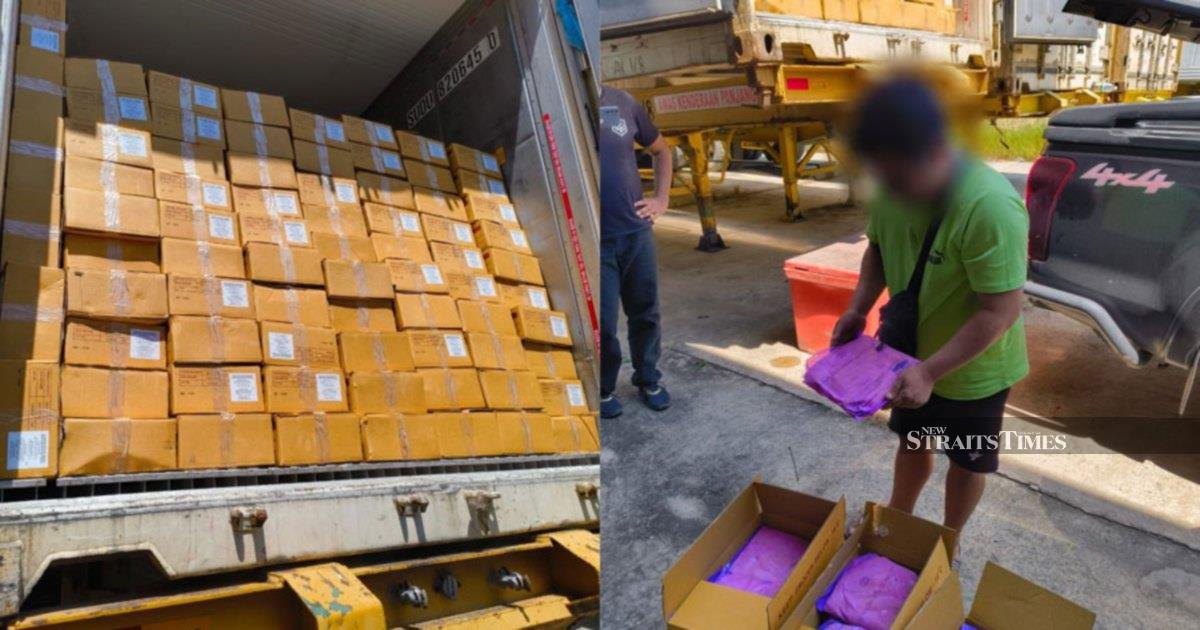
Law enforcement authorities in Malaysia have dealt a significant blow to organised food smuggling operations, with the Malaysian Anti-Corruption Commission announcing the dismantling of a major network accused of bringing frozen chicken illegally into Sabah from China. The operation represents a substantial escalation in MACC's enforcement efforts against cross-border food trafficking, which has emerged as a persistent challenge for Malaysian customs and health officials across the peninsula and East Malaysia.
The illicit chicken import scheme highlights the vulnerability of Sabah's borders to sophisticated smuggling networks that exploit maritime trade routes and commercial supply chains. Given Sabah's geographic position and its role as a major trade hub for Southeast Asia, the state has long attracted criminal syndicates seeking to circumvent official food import protocols. The frozen chicken operation appears to have involved coordinated arrangements between suppliers in China and distributors within Malaysian territory, suggesting a well-established infrastructure for moving contraband goods across international boundaries.
Unauthorised food imports pose multifaceted risks to Malaysia's food security and public health frameworks. Frozen chicken brought in through illegal channels bypasses mandatory quarantine procedures, health inspections, and regulatory documentation required under Malaysian standards. Without proper traceability and certification, such products cannot be verified for compliance with food safety protocols, cold chain integrity, or disease screening measures that protect consumers from contaminated or unsafe poultry products. The inability to track the origin and handling of these imports creates significant epidemiological vulnerabilities, particularly concerning avian influenza and other zoonotic pathogens that could threaten both human health and Malaysia's domestic livestock industries.
The syndicate's activities likely inflicted material damage on legitimate domestic chicken producers and importers operating within legal frameworks. Malaysia's poultry sector faces intense competitive pressure, and unauthorised imports undercut law-abiding businesses by offering cheaper products that have not borne the costs of compliance with local regulations, veterinary inspections, and transport standards. This distortion creates perverse market incentives that disadvantage established producers and discourage investment in domestic food production capacity, ultimately weakening Malaysia's food self-sufficiency objectives.
MACC's intervention signals a coordinated response to organised smuggling, extending its mandate beyond traditional corruption investigations into the criminal networks facilitating illegal trade. The commission's involvement indicates that corruption elements—whether involving customs officials, port authorities, or regulatory inspectors—formed a critical component enabling the syndicate to operate. Smuggling networks of this scale typically require insider cooperation at border checkpoints and administrative collusion to function effectively, suggesting that the investigation may have uncovered complicity within government systems that enabled contraband movements.
Sabah's enforcement challenges reflect broader regional dynamics affecting Southeast Asia's food security landscape. The proliferation of illegal food imports across the region stems from significant price differentials between producing nations like China and wealthier consumer markets, combined with lucrative profit margins for middlemen. The availability of sophisticated logistics networks, warehouse facilities, and distribution systems in Sabah makes the state an attractive transshipment point for contraband destined not only for local consumption but potentially for onward movement into other Malaysian states or neighbouring jurisdictions.
The operation's implications extend to Malaysia's international trade relationships and border management strategies. Although the imports originated from China, the investigation underscores the importance of bilateral cooperation in tackling smuggling at source, including collaborative efforts with Chinese authorities to identify exporters supplying contraband networks. Enhanced information-sharing between Malaysian and Chinese port authorities could strengthen screening mechanisms and reduce the vulnerability of trade routes to organised smuggling operations.
Food import controls remain a critical element of Malaysia's regulatory architecture, particularly given the nation's substantial reliance on imported agricultural products. The discovery of a large-scale frozen chicken syndicate demonstrates that enforcement gaps persist despite existing legislation and border infrastructure. Strengthening surveillance capabilities, enhancing inter-agency coordination, and implementing more rigorous documentation verification systems could improve detection rates and impose greater operational costs on smuggling networks.
The MACC's enforcement action carries significance for Malaysia's broader economic security framework, as food smuggling generates illicit financial flows that enrich criminal organisations and reduce government revenue from legitimate import duties and taxation. By dismantling this particular network, authorities have disrupted one revenue stream feeding into organised crime ecosystems, although competing syndicates likely exist or will emerge to capitalise on ongoing demand for cheaper unauthorised imports.
For Malaysian consumers, the operation reinforces broader questions about food supply chain integrity and the adequacy of current monitoring mechanisms. While regulatory agencies conduct inspections at official entry points, the successful operation of a major smuggling network indicates that substantial volumes of food products enter the market through informal channels. Consumer awareness campaigns emphasising the health risks of illegally imported foodstuffs could complement enforcement efforts by reducing demand for contraband products. Enhanced labelling requirements and supplier traceability systems would help consumers make informed choices and support compliance with Malaysian food safety standards.

