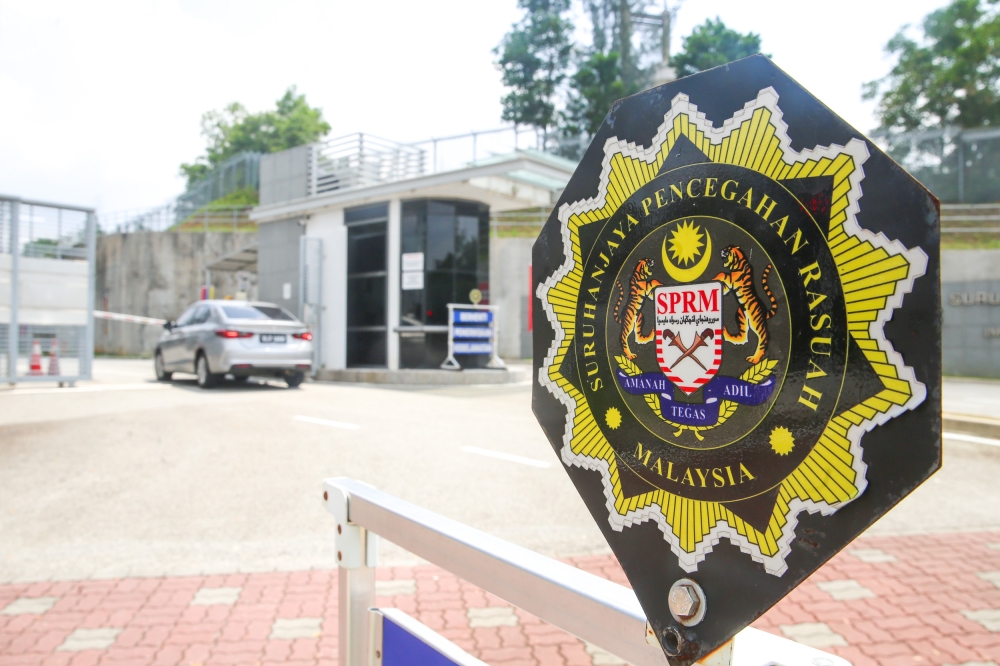
The Malaysian Anti-Corruption Commission has escalated its investigation into a major fund misappropriation case by obtaining a five-day remand order for three suspects in Putrajaya, according to developments on August 5. The individuals are accused of unlawfully diverting RM450,000 in penalty payments through irregular channels, marking another significant step in what authorities describe as a complex financial irregularity case.
The remand order, granted by the magistrate court, authorises investigators to hold the three suspects for intensive questioning over the alleged embezzlement scheme. This follow-up action demonstrates the MACC's determination to uncover the full scope of the suspected wrongdoing and identify all individuals involved in the transaction chain. The extended detention period is typically sought when investigators require additional time to gather evidence, cross-examine the accused, and construct a comprehensive understanding of the criminal enterprise.
The case involves the misuse of penalty payments, suggesting that funds collected as financial penalties—possibly from regulatory violations or court-imposed sanctions—were redirected for unauthorised purposes rather than being deposited into official accounts. Such schemes are particularly sensitive within Malaysia's governance structure, as penalty funds are meant to strengthen public revenue and demonstrate the rule of law's effectiveness. When these resources are diverted, it undermines both fiscal integrity and public confidence in enforcement mechanisms.
The amount in question, RM450,000, represents a substantial sum that would typically trigger high-level administrative and financial scrutiny. The scale of the alleged misappropriation suggests either a long-running operation involving multiple transactions or a single large-scale diversion, either scenario pointing to systematic failures in internal controls and financial oversight. Such lapses often indicate collusion among officials responsible for fund management and authorisation.
The MACC's decision to remand multiple individuals simultaneously suggests investigators are treating this as a coordinated operation rather than the actions of a single rogue official. This approach is consistent with how anti-corruption agencies typically approach complex financial crimes where multiple actors fulfil complementary roles—one approves fraudulent transactions, another processes payments, a third ensures records remain obscured. By detaining them together, the commission can cross-verify statements and identify inconsistencies that reveal the actual conspiracy structure.
For Malaysian observers and business stakeholders, this case reinforces broader concerns about financial governance in public institutions. Despite Malaysia's institutional capacity to investigate corruption through the MACC, detection often occurs retrospectively rather than through real-time preventive systems. This suggests organisations handling substantial penalty revenues may require enhanced internal audit mechanisms, segregation of duties, and mandatory verification procedures to prevent future incidents. The case also highlights how institutional vulnerabilities persist even within systems designed to enforce regulatory compliance.
The investigation's trajectory—moving from initial discovery to remand hearings—typically spans several weeks or months, during which the MACC collects documentary evidence including bank transfers, approval forms, email communications, and witness testimonies. The three suspects will likely face questioning about their specific roles, authorisation processes they manipulated, and the ultimate destination of the diverted funds. Understanding where the money finally went is crucial for determining whether this represents internal theft or external fraud involving external parties.
For the broader Southeast Asian context, Malaysia's handling of this case reflects regional anti-corruption trends. Many countries in the region have experienced similar penalty fund misappropriation cases, indicating that this particular vulnerability transcends borders. The MACC's proactive investigation and use of remand procedures demonstrates that Malaysian institutions possess the legal tools and investigative capacity to respond decisively, even if systemic prevention remains imperfect. Neighbouring jurisdictions often benchmark their own enforcement against the MACC's methodologies.
The implications for government procurement and regulatory agencies are significant. If the alleged misuse occurred within a specific department or industry regulator, that institution may face recommendations for structural reform. Regulators collecting penalties must now expect heightened internal scrutiny, and officials responsible for approving significant transactions may encounter new accountability protocols. The enforcement action sends a clear message that even routine financial processes remain subject to anti-corruption oversight.
As the investigation continues during the five-day remand period, the MACC will likely seek court extension if more time is needed for conclusive questioning or if additional suspects emerge from the interrogations. The outcome will depend on whether suspects cooperate, whether documentary evidence clearly establishes intent to defraud, and whether the commission can trace funds to identify recipients. Charges may ultimately range from simple embezzlement to more serious offences involving criminal conspiracy, depending on the investigation's findings and the degree of planning evident in the scheme.

