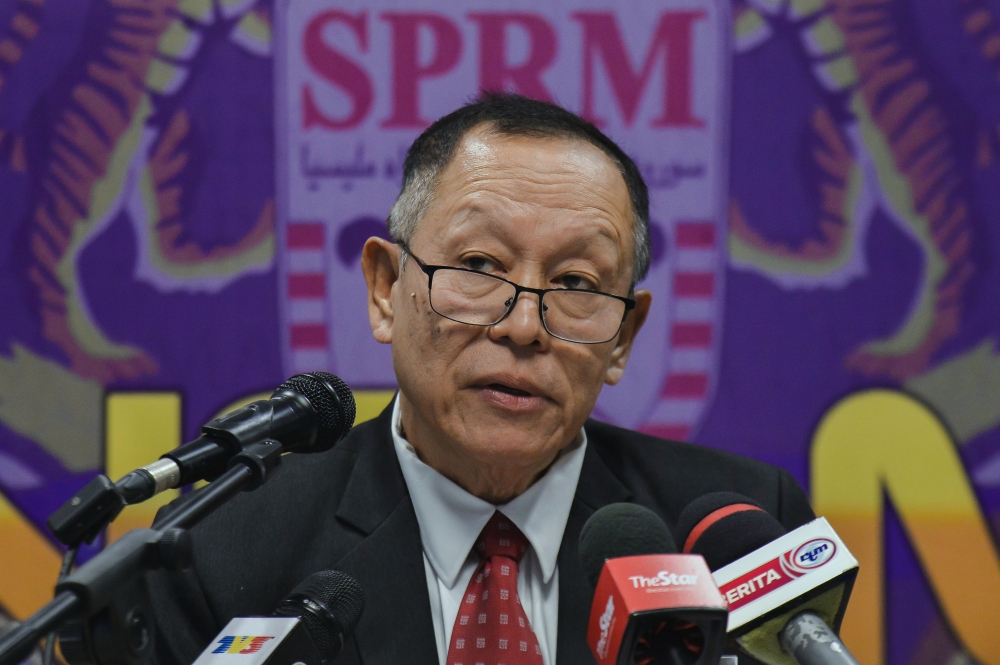
The Malaysian Anti-Corruption Commission has taken into custody a former chief executive and chief financial officer, with the agency investigating allegations that the pair abused their positions of authority in connection with a RM370 million plantation transaction. The arrests represent the latest in a series of enforcement actions targeting senior business figures suspected of corruption-related offences, signalling the anti-graft watchdog's continued focus on large-scale commercial deals.
The specific details surrounding the transaction remain under investigation, though the scale of the alleged impropriety—involving an amount exceeding RM370 million—underscores the significance authorities place on the matter. Plantation operations represent a substantial component of Malaysia's agricultural and commodity sectors, making oversight of major deals in this space a priority for regulatory bodies concerned with maintaining market integrity and preventing misappropriation of assets.
Corporate governance failures in large transactions frequently involve senior executives exploiting their decision-making authority to benefit themselves or connected parties at the expense of shareholders and stakeholders. The arrest of both the chief executive and chief financial officer suggests investigators suspect systemic wrongdoing rather than isolated misconduct, potentially indicating collusion or a deliberate scheme to circumvent oversight mechanisms.
For Malaysian investors and businesses, such enforcement actions carry important implications regarding the enforcement environment and regulatory expectations. Companies undertaking significant transactions, particularly in sectors like plantations where asset values are substantial, face heightened scrutiny from anti-corruption authorities. The willingness of the MACC to pursue senior executives sends a clear message that rank and seniority offer no protection against investigation.
The agricultural and plantation sectors have historically faced challenges related to transparency and accountability, particularly when transactions involve cross-border elements or complex corporate structures. Malaysia's plantation industry, which includes major players in palm oil and rubber production, operates within an increasingly globalised supply chain subject to mounting environmental and ethical scrutiny. Ensuring that large transactions within this sector meet governance standards serves multiple regulatory objectives simultaneously.
The involvement of both chief executive and financial leadership suggests the investigation may focus on approval processes, documentation, valuation methodologies, or the flow of funds associated with the transaction. Financial officers typically bear responsibility for ensuring transactions comply with accounting standards and internal controls, whilst chief executives provide overall strategic direction and sign-off authority. Joint arrests of both positions often indicate investigators suspect coordinated action to override or circumvent established safeguards.
From a broader governance perspective, this case illustrates challenges Malaysian companies face in balancing rapid growth with robust internal controls. As organisations expand and undertake increasingly complex transactions, the risk multiplies that executives may encounter situations where personal interests diverge from institutional responsibilities. Without effective governance frameworks and independent oversight, such divergence can lead to the kind of allegations now under investigation.
The MACC's investigative capacity has expanded considerably in recent years, enabling the commission to pursue sophisticated white-collar cases involving large monetary amounts. The agency's ability to arrest and prosecute senior executives demonstrates institutional independence, though the effectiveness of such actions ultimately depends on evidence quality and the willingness of prosecutorial authorities to pursue cases through the courts.
For regional observers, Malaysia's approach to corporate corruption carries implications beyond its borders. Southeast Asian economies increasingly compete for foreign investment and seek to project credible governance standards. Strong enforcement against executive-level misconduct, particularly in high-value transactions, can enhance investor confidence by signalling that market participants operate within a rules-based framework where misconduct carries real consequences.
The investigation also raises questions about the transaction's approval and oversight mechanisms. How the RM370 million deal proceeded through corporate governance structures, board approval processes, and regulatory reviews will likely form a core focus of the investigation. If safeguards failed to identify or prevent the alleged misconduct, the responsible institutions may face their own scrutiny regarding the adequacy of their compliance frameworks.
Stakeholders in the plantation sector and investors with exposure to this industry should monitor the case's progression closely. Depending on findings and any resulting prosecution outcomes, regulatory authorities may issue updated guidance regarding permissible practices in sectoral transactions or impose stricter reporting requirements on affected companies. The precedent established through this case will likely influence how similar transactions undergo scrutiny in future.
The detention of these senior executives pending investigation represents a critical juncture in the case. The initial investigation period will determine whether sufficient evidence emerges to support formal charges or whether circumstances require further inquiry. Either outcome carries significance for how the business community perceives the enforcement environment and the risks associated with governance failures.

