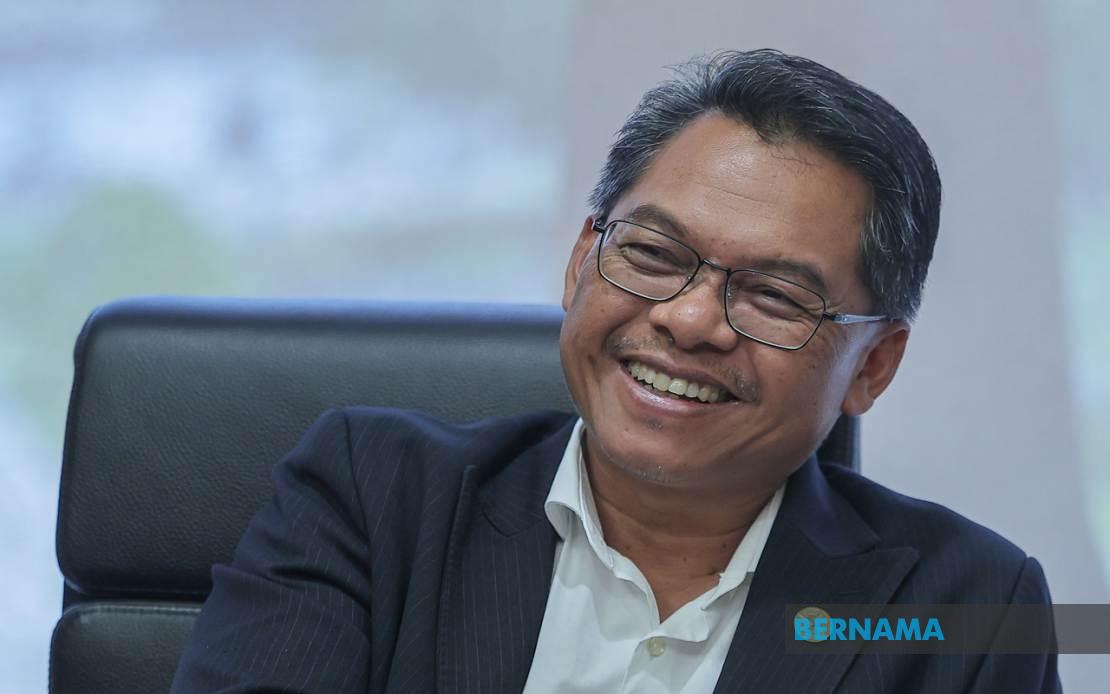
The Malaysia Agreement 1963 (MA63) Technical Committee has issued a directive requiring all government ministries and agencies to prioritise the resolution of unresolved constitutional matters, signalling renewed momentum in implementing the decades-old accord that underpins federal relations with Sabah and Sarawak. The instruction was delivered during a meeting in Putrajaya chaired by Datuk Mustapha Sakmud, the Minister in the Prime Minister's Department responsible for Sabah and Sarawak affairs, with the full council expected to convene under Prime Minister Datuk Seri Anwar Ibrahim's leadership the following month.
The Technical Committee conducted a comprehensive review of implementation progress across various MA63-related issues, examining how federal and state governments have advanced on obligations that have accumulated over more than six decades. This stocktaking exercise represents a systematic attempt to identify bottlenecks and ensure that bureaucratic delays do not further impede the delivery of commitments made under the agreement. The committee's work signals recognition within federal leadership that Sabah and Sarawak, as co-founders of the Malaysian federation, warrant accelerated attention to their constitutional entitlements.
Several key policy areas dominated the committee's agenda, reflecting broader development priorities for the two East Malaysian states. The committee examined progress on Borneonisation of the public service, a strategic initiative aimed at increasing representation of Sabahans and Sarawakians in federal government positions and ensuring that administrative structures better reflect the demographic and cultural character of these states. Simultaneously, the committee assessed ongoing efforts to narrow healthcare service disparities between Peninsular Malaysia and East Malaysia, acknowledging that geographic and infrastructural challenges have historically created inequities in medical access and quality. The education sector also received focused attention, with the committee evaluating proposals to strengthen schooling systems and institutional capacity in both states.
Datuk Mustapha emphasised that the pattern of engagement through subordinate working committees and the Technical Committee itself has demonstrated the viability of resolving long-standing constitutional questions through consensual approaches grounded in mutual respect between federal authorities and state governments. This framing suggests that the Anwar administration views the MA63 agenda not as a contentious zero-sum negotiation but as a collaborative exercise in which aligned interests of the federation and its constituent East Malaysian states can be harmonised. Such positioning carries particular significance given historical tensions surrounding MA63 implementation and periodic grievances from Sabah and Sarawak regarding the pace of federal delivery on constitutionally guaranteed arrangements.
Two substantive achievements were highlighted as evidence of concrete progress in translating MA63 commitments into material outcomes. The increase in Sabah's Special Grant under Article 112D of the Federal Constitution to RM1.5 billion represents additional fiscal resources flowing to the state government, expanding its capacity to fund development initiatives and public services. The quantum increase acknowledges that Sabah's financial requirements have evolved substantially since previous allocation levels were established, reflecting population growth, inflation, and expanding state responsibilities. This adjustment also signals federal responsiveness to state-level advocacy regarding resource adequacy.
Equally significant is the successful transfer of Bintulu Port to the Sarawak government, completed on July 21. The transfer of this major commercial and strategic infrastructure from federal to state control represents a substantial devolution of economic authority and demonstrates willingness by the federal government to relinquish direct administration of assets that fall within state jurisdictional scope under MA63. For Sarawak, port control enables the state to exercise greater autonomy over maritime commerce, port fees, and related regulatory matters, potentially enhancing revenue streams and strategic economic planning capacity.
Taken together, these developments paint a picture of an administration committed to operationalising MA63 in ways that extend beyond rhetorical acknowledgment. The increased fiscal transfer and infrastructure devolution represent tangible redistributions of resources and authority from federal to state level, acknowledging that genuine implementation requires more than symbolic gestures. The Anwar administration appears intent on distinguishing its approach to MA63 from previous governments by prioritising concrete delivery against a background of long-standing state demands for fuller recognition of constitutional rights.
The forthcoming full council meeting chaired by Prime Minister Anwar Ibrahim will provide a platform for reviewing the Technical Committee's findings and potentially authorising further action on outstanding matters. The meeting structure itself, with deliberate progression from technical committees to the apex council, suggests a hierarchical decision-making architecture designed to build consensus systematically before decisions ascend to the highest political level. This approach may facilitate smoother implementation by ensuring that technical issues are resolved and consensus achieved before Prime Minister-level engagement.
For Malaysian readers, particularly those in Sabah and Sarawak, the committee's directive carries implications for the pace at which constitutional promises materialise into improved public services, employment opportunities, and economic resources. The emphasis on resolving outstanding issues signals that lingering administrative and bureaucratic obstacles may finally receive executive-level scrutiny and intervention. Success in clearing the backlog of unresolved MA63 matters could enhance federal-state relations and demonstrate that devolutionary commitments are being honoured in substance rather than form alone.

