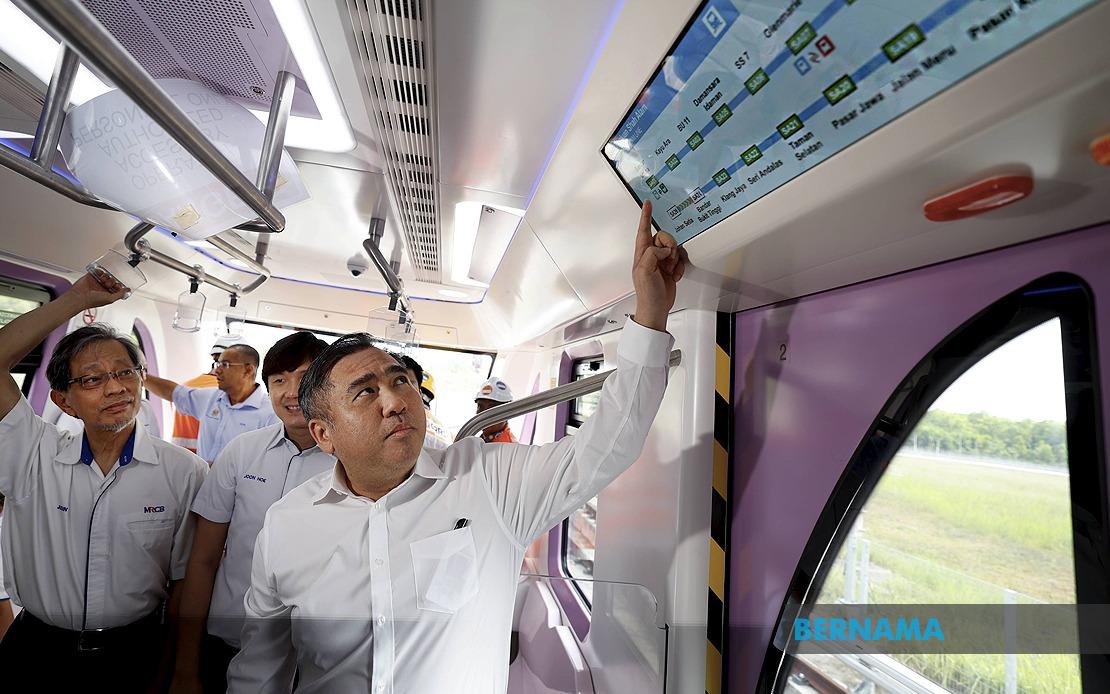
The Light Rail Transit 3 (LRT3) line, a significant addition to Malaysia's public transportation infrastructure, will begin serving commuters on Monday, June 29, according to Transport Minister Anthony Loke. The announcement came during a media briefing at Terminal Bersepadu Selatan, where Loke was opening a new Road Transport Department (JPJ) branch in Bandar Tasik Selatan. The ministerial statement underscores the government's continued focus on expanding rapid transit connectivity across the Klang Valley region.
Prime Minister Datuk Seri Anwar Ibrahim will preside over the official launch ceremony scheduled for Sunday, the day before operational commencement. This high-level endorsement reflects the strategic importance the government places on the new rail line as part of broader infrastructure modernisation efforts. The presence of the Prime Minister at the inauguration signals confidence in the project's role in addressing transport challenges in the western corridor of Selangor.
The LRT3 corridor stretches across 37.8 kilometres, linking Bandar Utama to Johan Setia in Selangor. This extensive coverage represents a significant geographical expansion of the rapid transit network, reaching areas previously dependent on road transport. The route's design reflects careful urban planning to connect nodes of economic and residential significance across the state, acknowledging the growing commuter demands in these regions.
Projections suggest the new line will directly benefit approximately two million residents across its service area. This substantial figure underscores the demographic scale of communities that will gain access to modernised public transportation. For residents in Shah Alam and neighbouring districts, the service offers potential alternatives to congested road networks, particularly during peak hours when vehicular traffic impacts productivity and quality of life.
The line has been specifically engineered to enhance connectivity throughout the western Klang Valley corridor. This strategic focus addresses longstanding transport bottlenecks affecting residents, workers and businesses across residential neighbourhoods, commercial districts and industrial parks. By integrating these functionally diverse areas through a single rail network, the LRT3 seeks to facilitate smoother inter-district movement and reduce reliance on personal vehicles for essential journeys.
The infrastructure development represents substantial capital investment in Malaysia's urban rail network. Completing such large-scale transport projects on schedule reflects effective project management and coordination among relevant authorities. For Southeast Asian readers observing Malaysia's infrastructure trajectory, the LRT3 exemplifies how regional economies are upgrading mass transit systems to support rapid urbanisation and economic growth.
Integrating the new line into existing transport networks will be crucial for maximising its utility. Commuters will likely anticipate seamless connections to other LRT systems, bus services, and park-and-ride facilities. Such integration requires coordinated planning between transport operators and local authorities to ensure the line functions as part of a cohesive public transit ecosystem rather than as an isolated service.
The economic implications extend beyond immediate commuter convenience. Improved transport accessibility typically catalyses property development, commercial growth and industrial expansion along transit corridors. Businesses and investors often prioritise locations with strong public transport links, recognising both operational efficiency and workforce accessibility as competitive advantages. For Shah Alam and surrounding areas, the LRT3 may function as a catalyst for broader economic transformation.
For Malaysian commuters already familiar with existing LRT networks, the Shah Alam line offers familiar technology and service patterns adapted to its unique corridor. Understanding local ridership patterns and operational requirements shaped the line's design specifications. As Malaysia continues rapid urbanisation, such targeted transport investments address specific regional needs while contributing to the nation's broader sustainable mobility agenda.
The June 29 operational commencement provides the government an opportunity to demonstrate commitment to infrastructure delivery during challenging economic periods. Successful launch and stable early operations will establish public confidence in the service's reliability. Equally important is ongoing performance monitoring to identify operational improvements and service enhancements that respond to actual commuter experiences and evolving demand patterns.
Look ahead, the LRT3 launch represents a milestone in Malaysia's transport infrastructure evolution. As Southeast Asia's cities grapple with congestion and sustainability challenges, successful transit systems like this one provide models for regional peers. The line's performance metrics will inform future transport planning decisions across Malaysia and potentially influence broader regional approaches to managing urban mobility in developing economies.