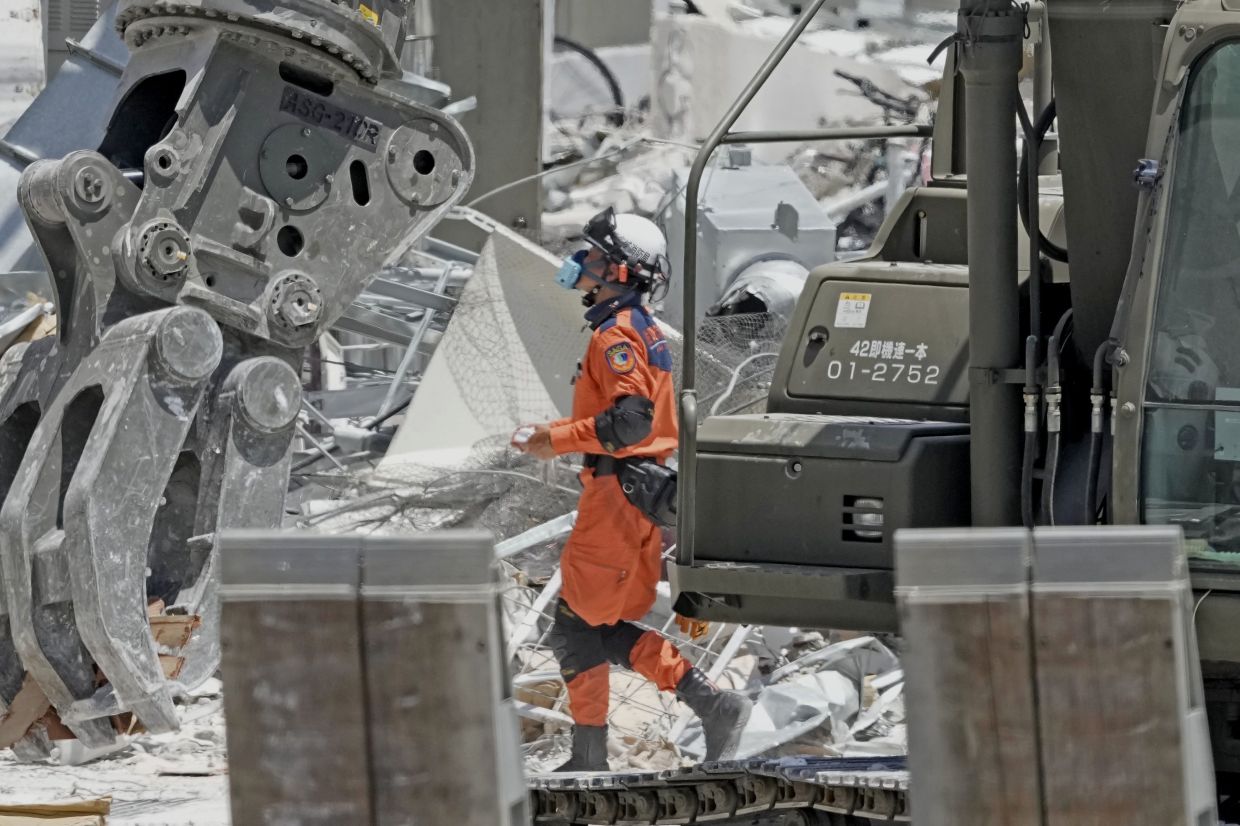
Japan's Economy, Trade and Industry Ministry concluded on August 5 that a liquefied petroleum gas leak most probably sparked the catastrophic explosion that ripped through Aeon Mall Kumamoto on July 28, killing three workers and severely damaging the shopping centre's second floor. The investigation findings provide preliminary answers to questions raised in the immediate aftermath of the blast, though officials cautioned that detailed forensic work remains ongoing to pinpoint the exact mechanism of the leak and its ignition.
The Kumamoto Prefecture shopping mall had been operating normally when a significant earthquake struck the region. Approximately one hour and twenty minutes after seismic activity ceased, a powerful blast detonated around 5:50pm, devastating the central section of the mall's second storey on the southern side. The timing and location of the explosion, combined with emergency responders' detection of gas odours throughout the building during subsequent searches, pointed investigators toward the facility's liquefied petroleum gas infrastructure as the primary suspect.
Liquefied petroleum gas serviced multiple commercial operations within the mall, functioning as an essential utility for restaurants and food service operators scattered across the building. The north side of the first floor housed restaurant facilities relying on LPG for cooking operations, whilst a food court positioned on the east side of the second floor similarly depended on the fuel source. Beyond culinary applications, the mall's air conditioning systems also utilised LPG, making the gas integral to the building's daily operations and climate control.
The mall's LPG infrastructure represented a substantial installation. A storage tank positioned on the premises contained approximately 9,367 kilograms of liquefied petroleum gas. This reservoir connected to the building's internal network through an underground pipe system, from which smaller distribution lines branched throughout the mall's floors and interior walls, reaching cooking equipment and climate control units across multiple levels. The complexity of this piping network created numerous potential points where pressure loss or line rupture could occur.
Investigators and sources close to the inquiry determined that the catastrophe likely unfolded through a two-stage process. When authorities examined the main storage tank following the explosion, they discovered that the amount of liquefied petroleum gas remaining was approximately consistent with normal levels for that time of day. This observation suggested that the gas escaping from the tank had not triggered the blast directly. Instead, investigators theorised that the seismic event had compromised the integrity of pipes distributed through the mall's structural framework, causing gas to seep from multiple points throughout the building's second floor.
As pressurised gas leaked from numerous rupture points within the walls and floor cavities, the colorless, odourless fuel accumulated in enclosed spaces—pockets of air trapped behind walls, beneath flooring, and within the mall's ventilation infrastructure. The gas formed an increasingly concentrated mixture in these confined areas, creating conditions primed for catastrophic combustion. When this accumulated gas encountered an ignition source—whether from electrical equipment, heating systems, or other potential sources—the subsequent explosion erupted with devastating force.
The sequence of events underscores the particular dangers posed by major seismic activity in regions relying on gas infrastructure. The initial earthquake, whilst not causing immediate structural collapse at the mall, nonetheless stressed and fractured delicate utility systems designed under normal operating conditions. The 80-minute delay between the earthquake and the explosion allowed leaked gas to concentrate undetected, as occupants and staff moved through the building under the assumption that the seismic emergency had passed. This scenario highlights vulnerabilities that mall operators and utilities across earthquake-prone Southeast Asian nations must consider when evaluating safety protocols.
For Malaysia and other regional economies with shopping malls and commercial facilities utilising liquefied petroleum gas, the Kumamoto incident carries significant operational and regulatory implications. Many shopping centres throughout Southeast Asia house restaurants, food courts, and commercial kitchens dependent on similar gas infrastructure. Seismic activity, whilst less frequent in Malaysia than in Japan, nonetheless occurs, and the principles of safe gas system design apply universally. The incident suggests that facility managers should conduct comprehensive risk assessments of gas piping systems, particularly evaluating their resilience to earthquake-related stresses and the adequacy of gas detection and ventilation systems designed to prevent dangerous accumulation.
The investigation remained incomplete as of the ministry's August 5 statement, with authorities continuing to examine precisely which pipe ruptures occurred, where the ignition source originated, and what specific safety failures allowed the dangerous gas concentration to develop undetected. The Economy, Trade and Industry Ministry pledged to release more detailed findings once forensic analysis concluded, potentially informing updated safety standards and inspection protocols for similar facilities throughout Japan and internationally.
For shopping mall operators across the region, the Kumamoto blast serves as a stark reminder that infrastructure assumed to function safely under normal circumstances may harbour concealed dangers when natural disasters strike. The tragedy underscores the importance of proactive maintenance, regular inspection regimes that specifically evaluate seismic vulnerability, and robust gas detection systems capable of alerting building occupants and emergency responders to dangerous concentrations before ignition can occur. As investigation details emerge, facility management protocols throughout Southeast Asia will likely incorporate lessons learned from this catastrophic event.

