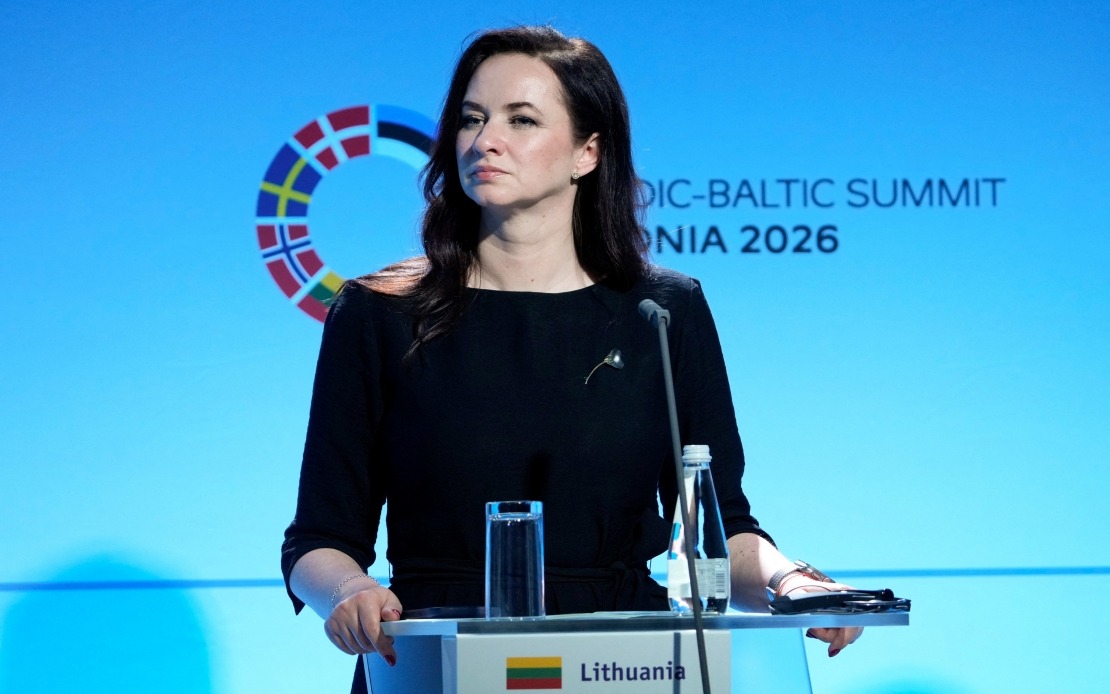
Lithuanian Prime Minister Inga Ruginiene announced the resignation of her government on Tuesday, setting in motion an orderly transition that reflects ongoing shifts within the ruling coalition. The move follows a period of internal political realignment prompted by structural changes to the governing alliance that has held power since August last year. President Gitanas Nauseda formally accepted the Cabinet's resignation while requesting that ministers continue operating in a caretaker capacity, ensuring administrative continuity until a successor government is fully constituted and sworn in.
The constitutional framework governing Lithuania's response is clearly defined and follows established procedures. The President has precisely 15 days from accepting the resignation to nominate a candidate for the prime minister's office. That nominee must then secure parliamentary approval from the Seimas, Lithuania's unicameral legislature, before being able to proceed with the next phase of government formation. The timeline reflects a system designed to move swiftly through leadership transitions while maintaining proper democratic oversight and accountability.
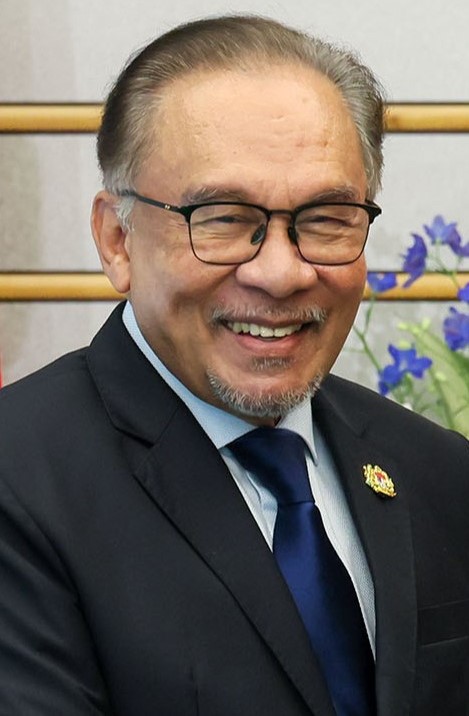
Mindaugas Sinkevicius, the Chairman of the ruling Lithuanian Social Democratic Party, has emerged as the strong frontrunner for the Prime Minister nomination. Political observers and analysts widely expect President Nauseda to formally propose Sinkevicius within the coming days, given the party's dominant position within the ruling coalition and the political consensus around his candidacy. Should parliament confirm his appointment, Sinkevicius would then enter his own compressed timeline—15 days to assemble a full Cabinet and outline the new government's policy programme, followed by another 15 days to present the complete ministerial lineup for parliamentary approval.
The succession process underscores the volatility that has characterised Lithuania's governing arrangements since voters went to the polls in late 2024. The Social Democratic Party has now overseen the formation of three separate coalition governments in the months following those parliamentary elections, a pattern that suggests underlying tensions or strategic recalibrations within the ruling bloc. The previous coalition, which Ruginiene led, took office in August after former Prime Minister Gintautas Paluckas stepped down from the role, indicating that cabinet-level instability has persisted even as the same party maintains formal control of the government.
For Malaysia and other Southeast Asian democracies, Lithuania's experience offers useful perspective on how Baltic parliamentary systems navigate coalition management and ministerial transitions. While Malaysia's federal structure and constitutional monarchy differ substantially from Lithuania's presidential system, both regions grapple with the complexities of sustaining multi-party coalitions and managing the power dynamics that emerge when no single party commands an absolute parliamentary majority. The rapid succession of coalition formations in Lithuania suggests that governing arrangements remain fragile when based on narrow numerical majorities rather than broad institutional consensus.
The outgoing Cabinet held what was formally designated as its final meeting on Tuesday, with all ministers unanimously approving the resignation resolution. Ruginiene used the occasion to reflect on the administration's record, expressing pride in the government's achievements despite confronting substantial policy and political challenges throughout its tenure. Such statements are customary in resignation announcements, as outgoing leaders typically seek to preserve their legacy and reframe departures as orderly transitions rather than forced exits or failures of governance.
The caretaker arrangement represents important continuity in Lithuania's governance structure. Rather than leaving ministries vacant or operating without clear leadership during the interregnum, the sitting Cabinet will maintain administrative functions across defence, finance, social services, and other critical portfolios. This prevents a governance vacuum and ensures that state business continues uninterrupted—a particularly important safeguard given Lithuania's security concerns as a NATO member sharing a border with Russia and its role as an EU frontline state.
The three-coalition sequence since the 2024 elections raises questions about the sustainability of the current partisan configuration in Lithuanian parliament. Political scholars often point to coalition instability as a warning sign that electoral outcomes have failed to produce durable governing majorities or that ideological coherence within the ruling alliance has fractured. Whether Sinkevicius can stabilise the Social Democratic-led coalition or whether Lithuania faces further realignment remains an open question, though his elevation to the premiership may signal an attempt to refresh the coalition's leadership and appeal.
From a regional perspective, Lithuania's political transitions carry implications for European Union and NATO coordination in Northeast Europe. Lithuanian governments are responsible for representing the country's interests in EU and NATO councils, formulating defence and security policy during a period of heightened strategic tension, and managing the country's role in coordinating Baltic responses to Russian actions. Frequent government transitions can potentially create continuity challenges in these high-stakes domains, even when caretaker arrangements maintain administrative stability.
The formal confirmation process ahead will test the coherence of the ruling coalition and reveal whether the existing parliamentary arithmetic remains solid enough to pass a new Cabinet's policy programme. Sinkevicius will need not only to secure his personal appointment as Prime Minister but also to assemble a team of ministers who can command parliamentary confidence and implement a governing agenda. The breadth of support he receives during confirmation votes will indicate whether the coalition's underlying tensions have been resolved or merely papered over through leadership change.