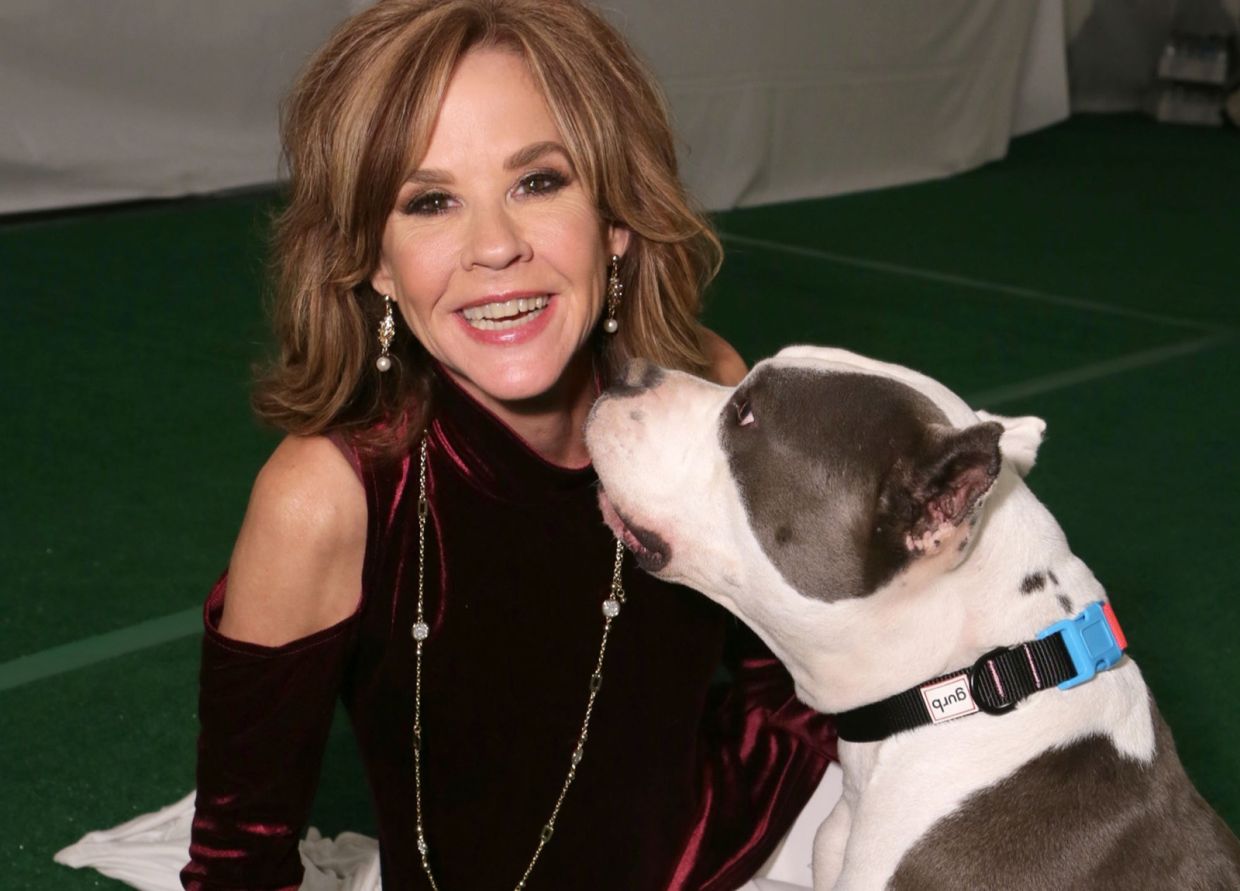
American actress Linda Blair, known for her role in the horror film The Exorcist, faced a surprise visit from animal control and planning officials at her Southern California residence on Friday when authorities executed an investigative warrant to inspect her property and verify compliance with county regulations. The 67-year-old has become increasingly involved in animal rescue work over the past two decades, but her current operation appears to have run afoul of local bureaucratic requirements, raising broader questions about how informal animal sanctuaries operate across the United States.
The coordinated operation brought together personnel from the Los Angeles County Department of Animal Care and Control and the Los Angeles County Department of Regional Planning to investigate allegations concerning the presence of more than 100 rescue dogs residing on the property without proper legal documentation or permits. Such joint inspections typically indicate a multi-faceted compliance concern, suggesting that officials suspected violations across several regulatory domains rather than a single administrative oversight.
According to statements from the Department of Animal Care and Control, Blair had previously maintained a valid kennel permit for the facility, but this authorisation expired during 2023. The lapse appears to have triggered the investigation, as regulatory agencies normally require active permits to legitimise large-scale animal operations. The department's public statement emphasised that the warrant provided legal justification for officials to enter the property and assess whether the operation adhered to applicable county codes, a standard procedural justification used when property owners cannot be reached through conventional channels.
Authorities indicated they made multiple attempts to contact Blair through various communication channels before deciding to conduct the unannounced inspection. These unsuccessful contact efforts appear to have been the catalyst for the warrant application, suggesting that administrative communication breakdowns, possibly exacerbated by the demanding nature of running a rescue operation, contributed to the regulatory enforcement action. Such situations frequently arise when busy individuals lose track of permit renewal deadlines amid competing demands on their time and attention.
Blair cooperated fully with officials during the inspection, according to the department's account, and she subsequently clarified her position by stating she had not been accused of any criminal wrongdoing in connection with the incident. This distinction between civil regulatory violations and criminal charges carries significant weight, as it suggests authorities view the matter primarily as a compliance issue rather than evidence of animal cruelty or intentional legal evasion. Blair's willingness to work with officials and her clean criminal record in this matter likely influenced how authorities approached the situation.
The actress addressed the situation through a video posted to Instagram on Friday evening, presenting a measured response to the day's events. She characterised the situation as fundamentally concerning paperwork and administrative requirements, emphasising that both she and the animals on the property remained in good condition despite the sweltering 105-degree heat that prevailed at the time of the inspection. Her framing of the event as a bureaucratic matter rather than an animal welfare crisis attempted to redirect public narrative away from more sensational interpretations of the raid.
In written remarks accompanying her video statement, Blair attributed the compliance lapse partly to the overwhelming administrative burdens associated with large-scale animal rescue operations. She highlighted how the demands of rescue work—including saving animals from harsh desert environments and congested shelter systems—can overwhelm the operational infrastructure, leading to situations where email communications and social media outreach accumulate faster than staff can address them. This explanation offers insight into how well-intentioned animal welfare organisations sometimes struggle with bureaucratic requirements alongside their primary mission work.
Blair's commitment to animal rescue extends back two decades to 2003, when she established the Linda Blair WorldHeart Foundation as a nonprofit entity dedicated to reducing animal suffering through rescue, rehabilitation, and rehoming programmes. The organisation's stated mission specifically targets abused, neglected, and abandoned animals, reflecting Blair's personal values regarding animal welfare. Over the intervening years, her foundation has likely saved and rehomed thousands of animals, building significant goodwill and credibility within animal rescue circles despite this recent regulatory entanglement.
The incident highlights a recurring tension within American animal rescue communities between the scale of need and the regulatory frameworks designed to oversee animal facilities. Dedicated rescue workers operating independently or through small nonprofits often find themselves navigating complex permit systems, health codes, and zoning regulations that were developed for different contexts and may not adequately address the realities of contemporary rescue operations. Blair's situation exemplifies how even experienced, well-intentioned operators can fall behind on administrative requirements when the gap between regulatory expectations and operational capacity grows too wide.
For Malaysian and Southeast Asian readers, this case offers relevant perspective on how animal welfare governance functions in developed economies. While Malaysia and other regional nations increasingly strengthen animal protection laws, they often do so without comprehensive oversight mechanisms for informal rescue operations. The California situation demonstrates both the importance of regulatory frameworks in maintaining standards and the potential for such systems to create friction with grassroots animal welfare efforts, suggesting that policymakers designing animal protection regimes should consider whether their regulatory approaches incentivise or inhibit rescue operations.
Authorities indicated their intention to move forward cooperatively with Blair to bring her kennel operation into compliance with current regulations. The successful resolution of this matter will likely depend on her willingness to complete outstanding paperwork, renew necessary permits, and potentially make adjustments to the operation to align with current county codes. Such outcomes typically involve negotiated compliance periods rather than punitive measures, particularly when operators demonstrate good faith and the underlying mission involves animal welfare.
The case remains under regulatory review, with both departments apparently committed to ensuring that the rescue dogs receive appropriate care while Blair's facilities meet all applicable legal requirements. How this situation ultimately resolves will likely influence how other animal rescue operators in the region manage their own permit systems and regulatory obligations, potentially serving as a cautionary example of the importance of maintaining current documentation even for missions widely viewed as admirable and beneficial to community animal welfare.

