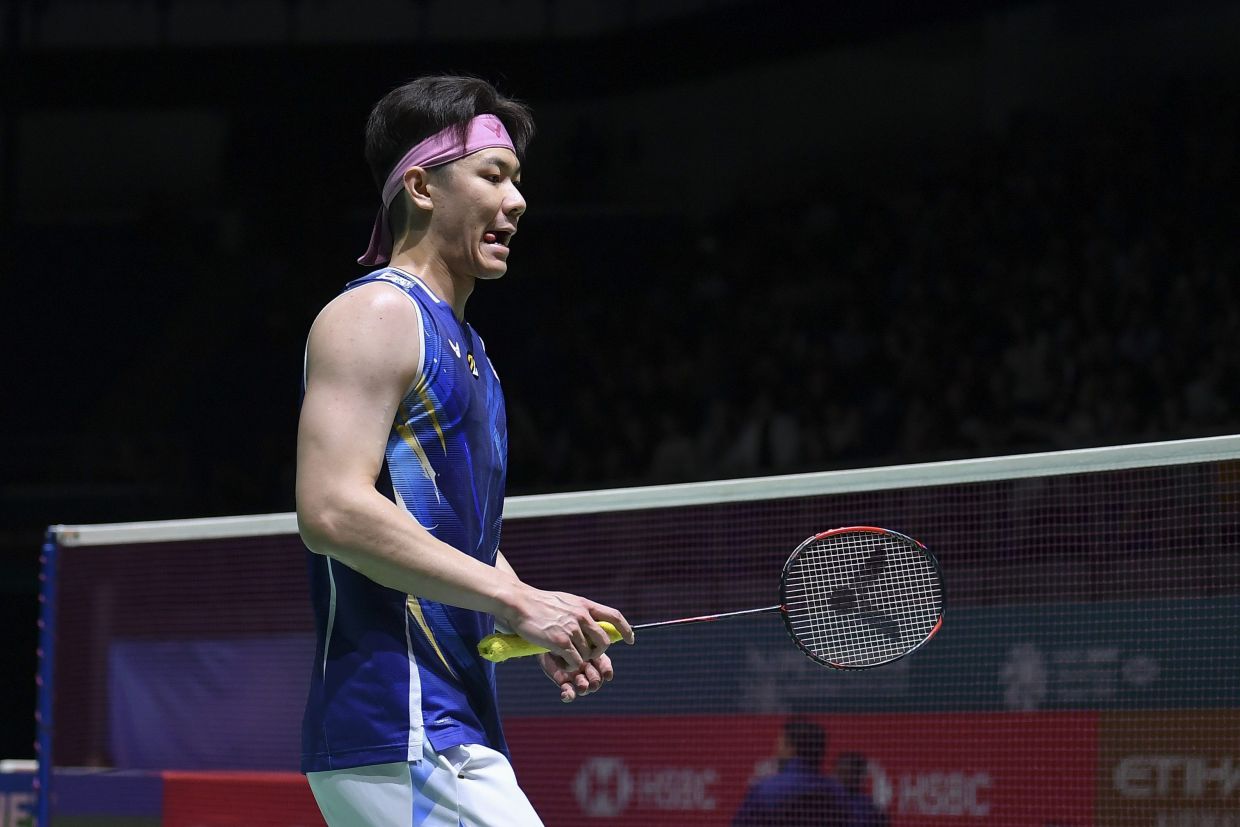
Lee Zii Jia has firmly rejected any suggestion that he might step away from badminton, drawing a line under months of speculation about his future following a difficult stretch that has tested both his physical resilience and mental fortitude. The 28-year-old men's singles player, who achieved Olympic bronze at Tokyo 2020, took to social media on Sunday to reassure his loyal fanbase that retirement is not on the horizon, pledging instead to persist in his comeback bid regardless of how long the road to recovery might prove.
The Kedah-born athlete's recent statement arrives at a critical juncture in his career, following what he has characterised as one of the most gruelling periods since departing the national badminton programme in 2022. Over the past year, a combination of injuries and poor competitive results have weighed heavily on the shuttler, creating a period of self-doubt that he admits even tested his own conviction. Yet in reaching out to his supporters, Zii Jia appeared determined to signal that external pressures and internal struggles have not shaken his fundamental commitment to the sport that has defined his professional identity.
Central to Zii Jia's message was a profound gratitude towards those who continued backing him during his lowest moments. He acknowledged the unusual dynamic of receiving encouragement not for victories but simply for persisting in the attempt, suggesting a philosophical shift in how he views success and failure. This candour about his emotional state represents a notable departure from the stoicism traditionally expected of elite athletes, and underscores how deeply the recent setbacks have affected his sense of self-worth. His words carried an implicit recognition that the journey back from adversity sometimes matters more than the destination itself.
The shuttler's decision to speak publicly about his mental struggles and the process of rebuilding his confidence marks an important moment for Malaysian sports culture, where mental health in athletics remains a relatively underdeveloped conversation. By opening up about periods when he disliked the person he was becoming, Zii Jia has contributed to destigmatising the emotional toll of professional sport. His willingness to admit that he initially struggled to confide in those around him speaks to a broader challenge many athletes face when managing career disappointments.
Zii Jia elaborated on the transformative step of taking control of his own narrative, particularly in his decision-making around his career trajectory and training environment. Since leaving the national set-up, he has navigated the complexities of independence, including the responsibility of choosing where and how to train, and who to trust with his development. This autonomy, though liberating, has also introduced new pressures, as he now bears full accountability for outcomes rather than relying on institutional support structures. His emphasis on this freedom suggests that despite the current difficulties, he values self-determination over the security of remaining within the national system.
The Canadian Open provided a glimmer of hope in recent months, with Zii Jia reaching the semi-finals before falling to Japan's Koki Watanabe. While technically a setback, the result represented his strongest showing in recent competition, offering tangible evidence that the trajectory might be shifting upward. Such performances, even when ending in defeat, can provide crucial psychological boosts for athletes navigating comeback attempts, offering concrete proof that improvement is possible and that months of gruelling preparation are bearing fruit.
Looking ahead, Zii Jia's schedule includes the Taiwan Open from July 28 to August 2, followed swiftly by the Korean Masters from August 4 to 9. These consecutive tournaments present both an opportunity and a challenge, offering back-to-back platforms to test his readiness against international competition while maintaining the demanding pace required to climb world rankings. For Malaysian badminton enthusiasts, these tournaments will provide crucial indicators of whether Zii Jia's determination translates into measurable improvement on court.
The shuttler's resolve must navigate broader pressures within Malaysian badminton, where the sport commands significant public attention and investment. The domestic programme's institutional structures, alongside expectations from sponsors and the federation, create a complex environment in which individual athletes operate. Zii Jia's independence from these systems puts him in an unusual position, requiring him to generate his own resources and support networks while competing against players backed by national programmes across Asia.
Zii Jia's situation also reflects wider patterns in Malaysian sport, where talented individuals occasionally find themselves at odds with systemic arrangements, leading them to pursue independent paths. His experience, should he successfully rebuild his career, could provide valuable lessons about alternative models of athlete development. Conversely, the challenges he currently faces underscore the advantages of institutional backing that most elite competitors enjoy.
Ultimately, the shuttler's declaration amounts to a personal manifesto about resilience, autonomy, and the value of continuing to strive even when outcomes remain uncertain. His message to supporters suggested that he has reframed his understanding of what makes an athlete worth following, moving beyond a fixation with results toward appreciating the effort itself. Whether this philosophical shift will translate into a return to form remains to be seen, but his public commitment to the fight has signalled that Malaysian badminton fans need not yet write the final chapter on his career.

